
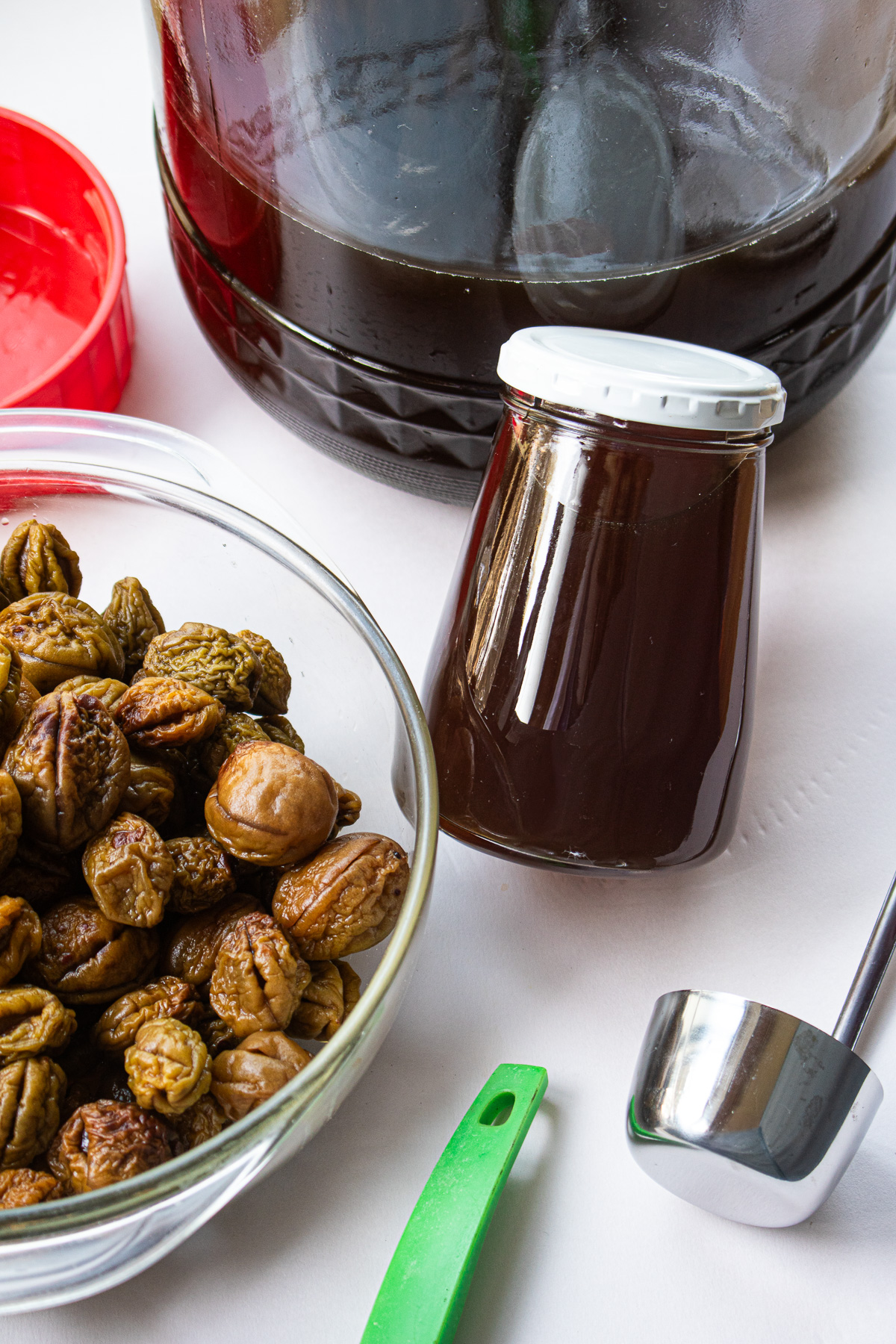
Learn how to make Maesil-cheong(매실청), a traditional Korean syrup made from green plums and sugar. It’s fruity, tangy — perfect for summer sodas, teas, or cooking. This DIY syrup is zero-waste and easy to make at home with only 2 ingredients.
Jump to:
- 🍑 What Is Maesil-cheong?
- 🍶 Korean Green Plum Syrup vs Japanese Ume Syrup
- 🧂 Tools & Equipment
- ☝️ Important Maesil Preparation (Don’t Skip This!)
- 🥣 How to Make
- 📌 Tips for Success
- 🧊 Storage & Shelf Life
- 🐰 Left Over Plums?
- 🍹 How to Use Maesil-cheong
- ❄️ Seasonal Note
- 💭 FAQs – Korean Maesil Syrup
- ⚠️ Troubleshooting
- 📖 Want More Ume Recipes?
- 🇰🇷 More Korean Dishes
- 📖 Recipe Card
🍑 What Is Maesil-cheong?
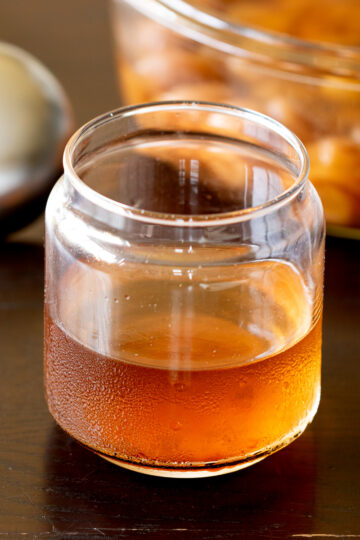
Maesil-cheong is a traditional Korean green plum syrup made from unripe plums (maesil) and sugar. As the plums sit, they slowly release their juices, creating a rich, amber-colored syrup. It’s used as a natural sweetener, a digestive tonic, and a remedy for fatigue. In Korean households, this syrup is a pantry staple — especially during the humid summer monsoon season.
🍶 Korean Green Plum Syrup vs Japanese Ume Syrup
Many people confuse Korean maesil syrup with Japanese ume syrup, but they’re quite different:
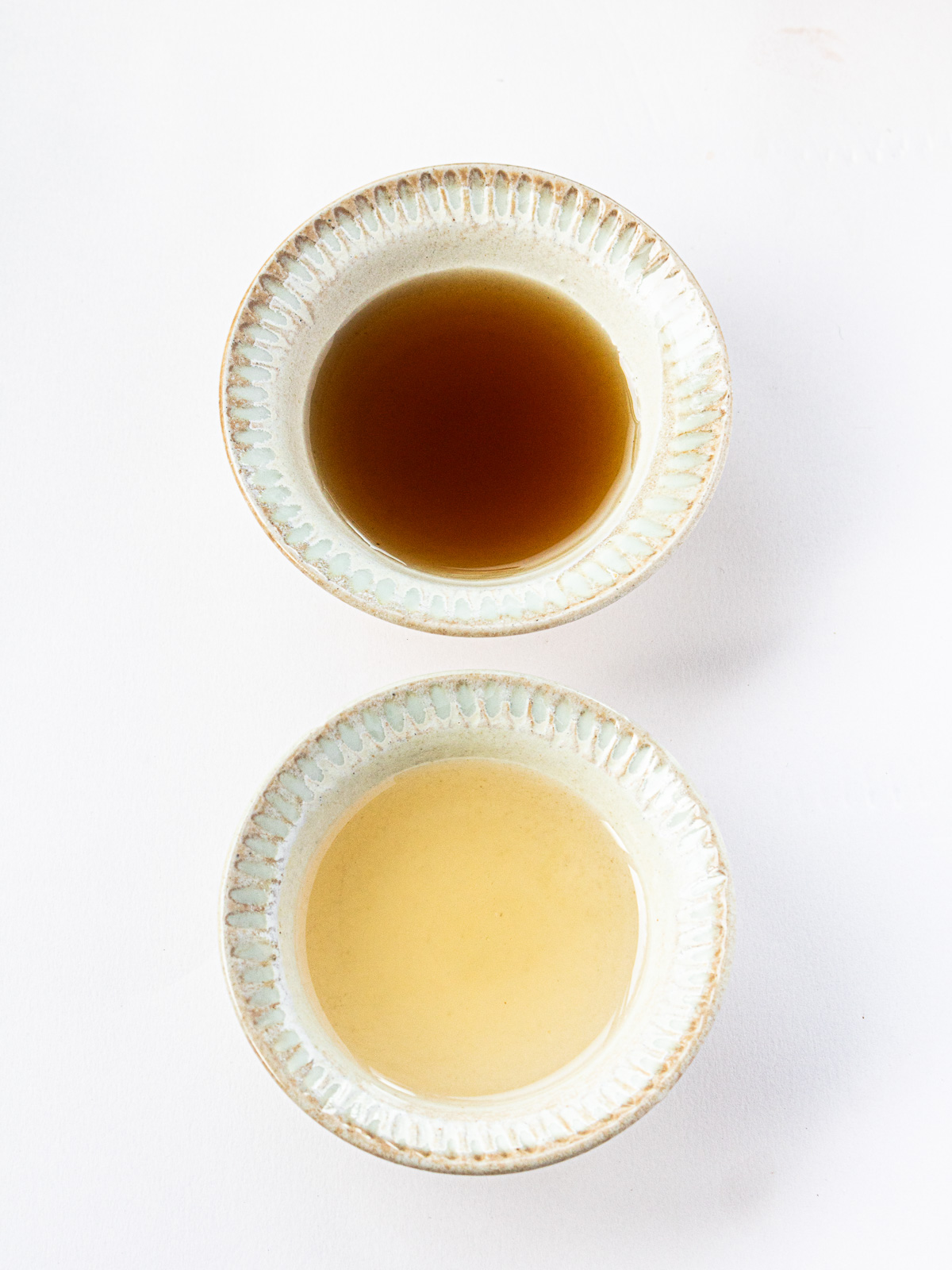
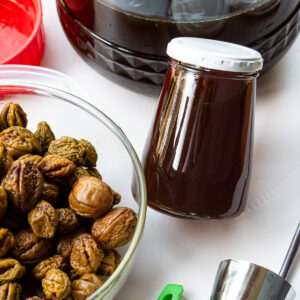
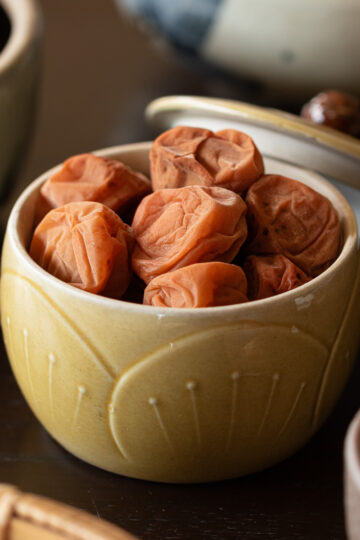
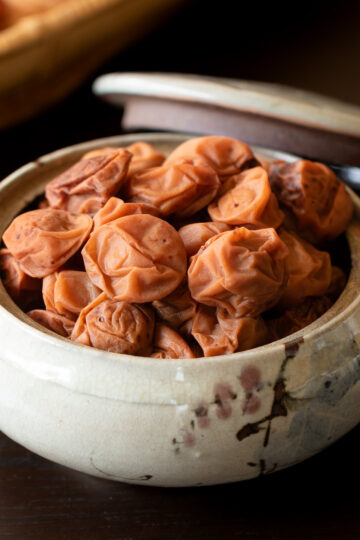
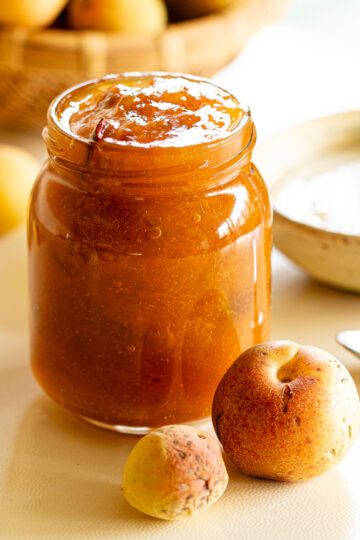
▲: Korean Maesil-cheong ▼: Japanese Ume Syrup(Chai Ume Syrup)
| Feature | Korean Maesil-cheong | Japanese Ume Syrup |
|---|---|---|
| Fruit | Green maesil (plum) | Ume (Japanese plum) |
| Method | Cut plums + sugar | Whole plums + rock sugar |
| Taste | Bright, tart, complex | Mild, sweet |
| Texture | Light and syrupy | Thicker |
🛒 Ingredients You’ll Need
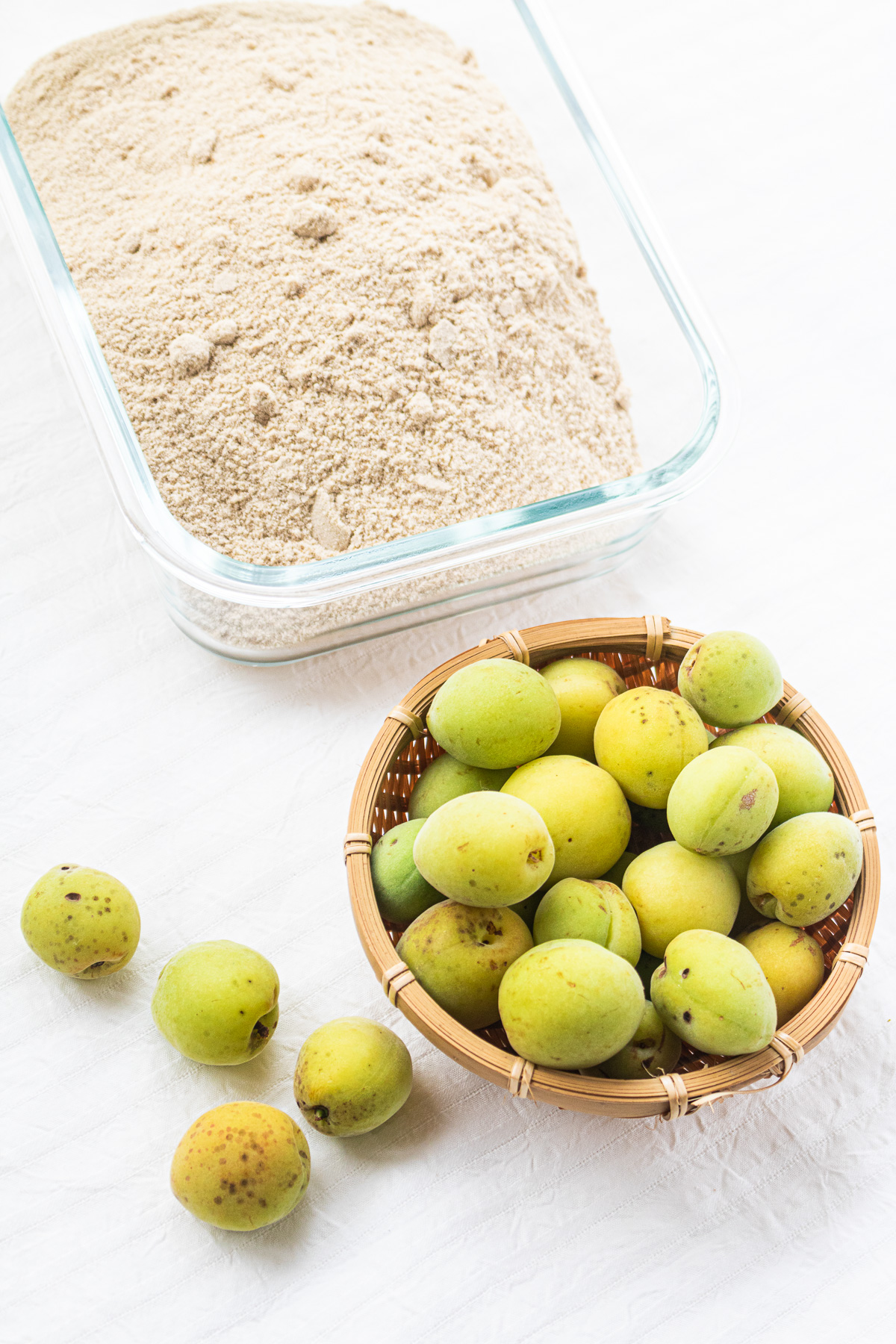
- Green plums (maesil): Use unripe, firm green plums. These are typically in season from late May to early June in Korea and Japan. Their tartness is perfect for making syrup.
- Brown sugar: I recommend using brown sugar instead of white. It adds a deeper, richer flavor and gives the syrup a beautiful golden color. Plus, it still works wonderfully as a natural preservative.
📏 Ratio Guide
Use a 1:1 ratio by weight of green plums to sugar. For example:
- 1 kg green plums
- 1 kg sugar
This prevents spoilage, and gives you a balanced syrup.
🧂 Tools & Equipment
- Sterilized 3L glass jar with airtight lid: A clean, dry jar is essential to prevent mold.
- Wooden spoon or silicone spatula: Use non-metal tools for stirring.
- Clean cloth or paper towels: Use to dry the plums thoroughly before use.
- Toothpick or skewer: Perfect for removing plum stems efficiently.
💡 TIP:
Avoid using metal tools if possible! The natural acidity of green plums can react with metal, which may alter the flavor and even damage your utensils.
If you must use metal, be sure to wash it immediately after use to prevent corrosion or unwanted flavor changes.
☝️ Important Maesil Preparation (Don’t Skip This!)
Before you dive into making Maesil-cheong, there’s one crucial step that can make the entire process smoother: prepping the plums. It takes a bit of time and care, so I recommend doing this the night before you plan to start the syrup.
🚰 Wash and Prep the Green Plums
Start by giving the green plums a thorough wash to remove any dirt or residue. Then, using a toothpick or skewer, gently remove the stems from each plum. This step might seem tedious, but there’s a little trick that makes it much easier:
How to remove plum stems quickly:
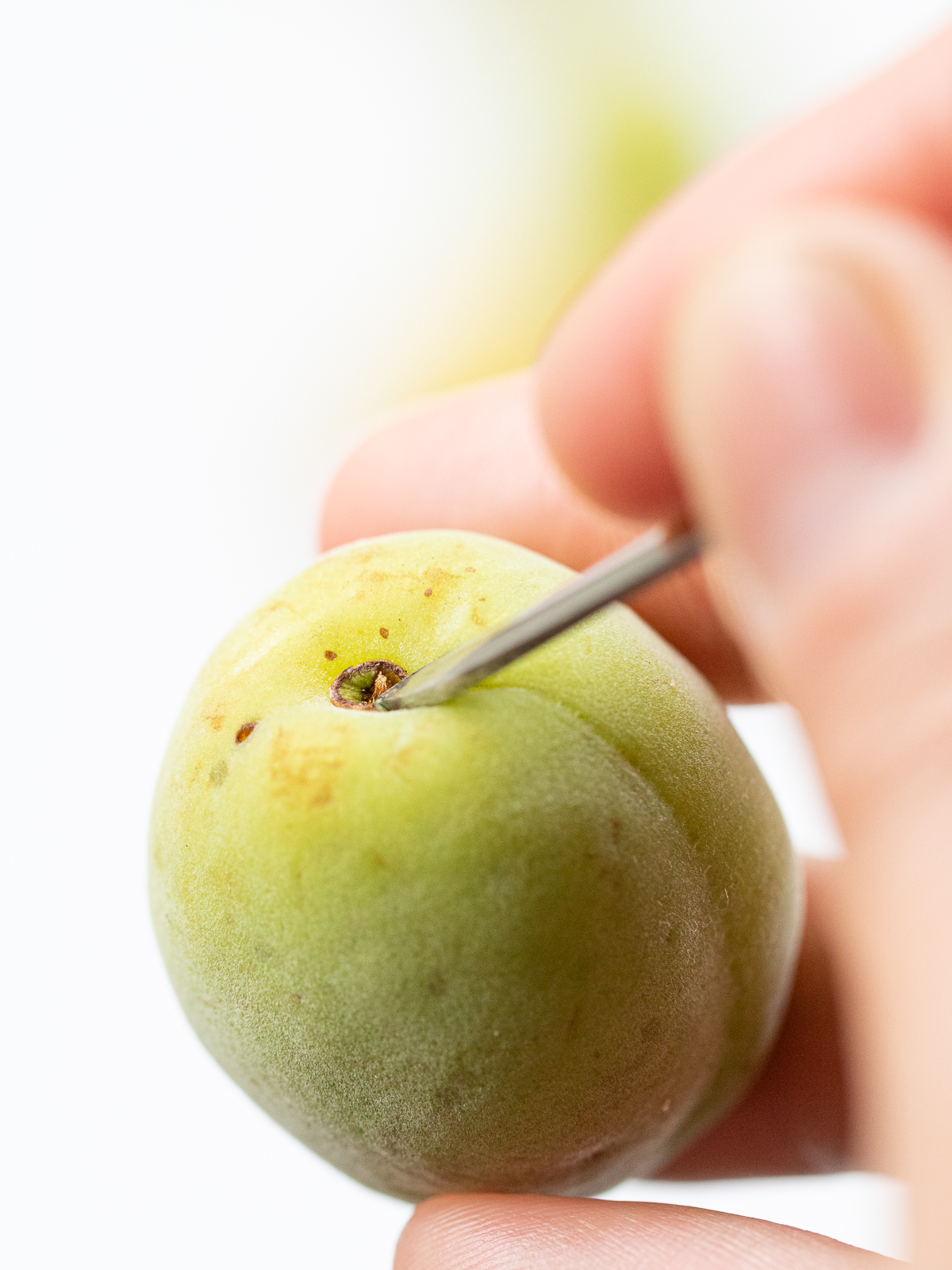
Hold the plum steady and press the skewer firmly into the edge of the stem.
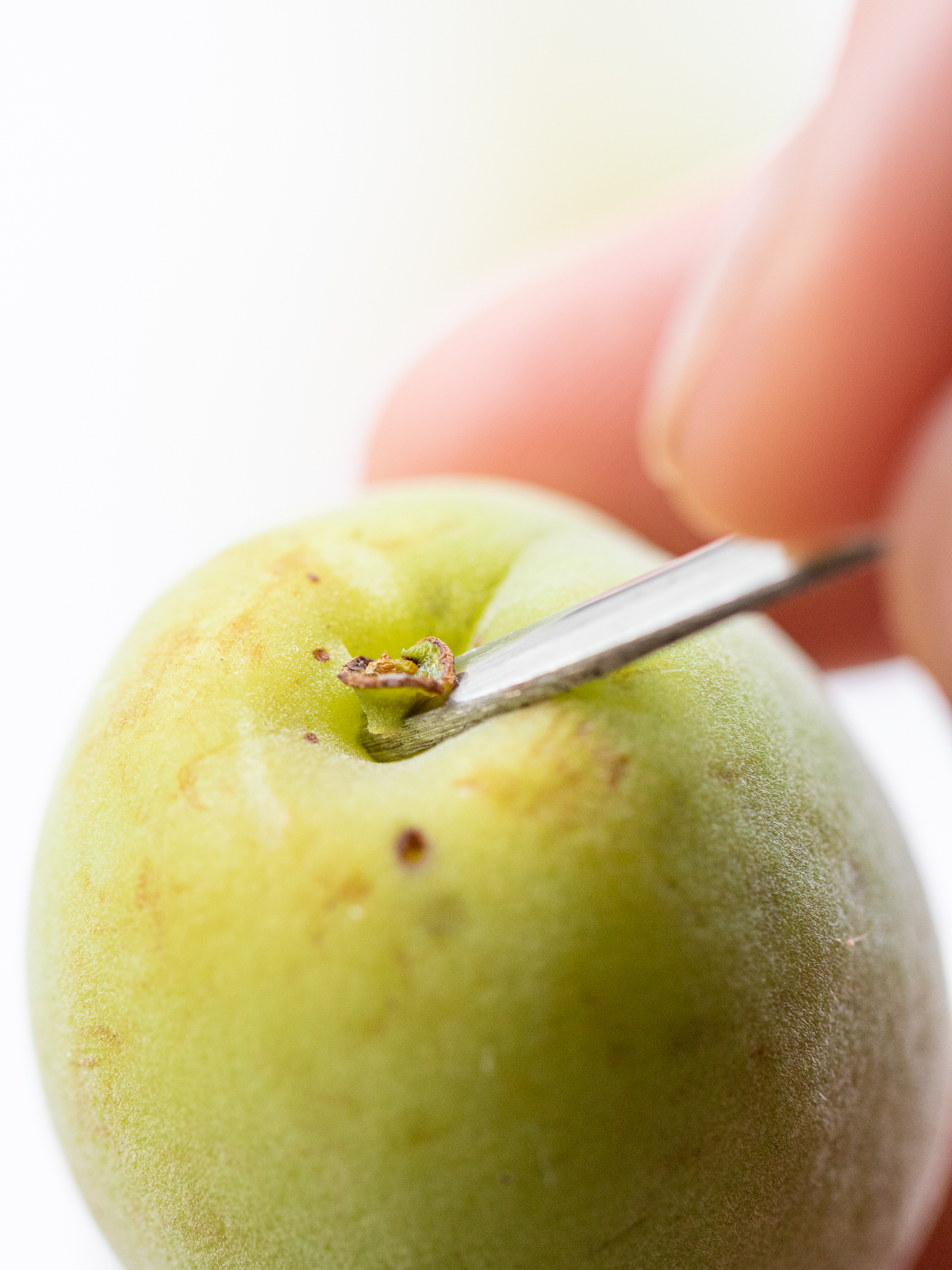
Then lift it straight up
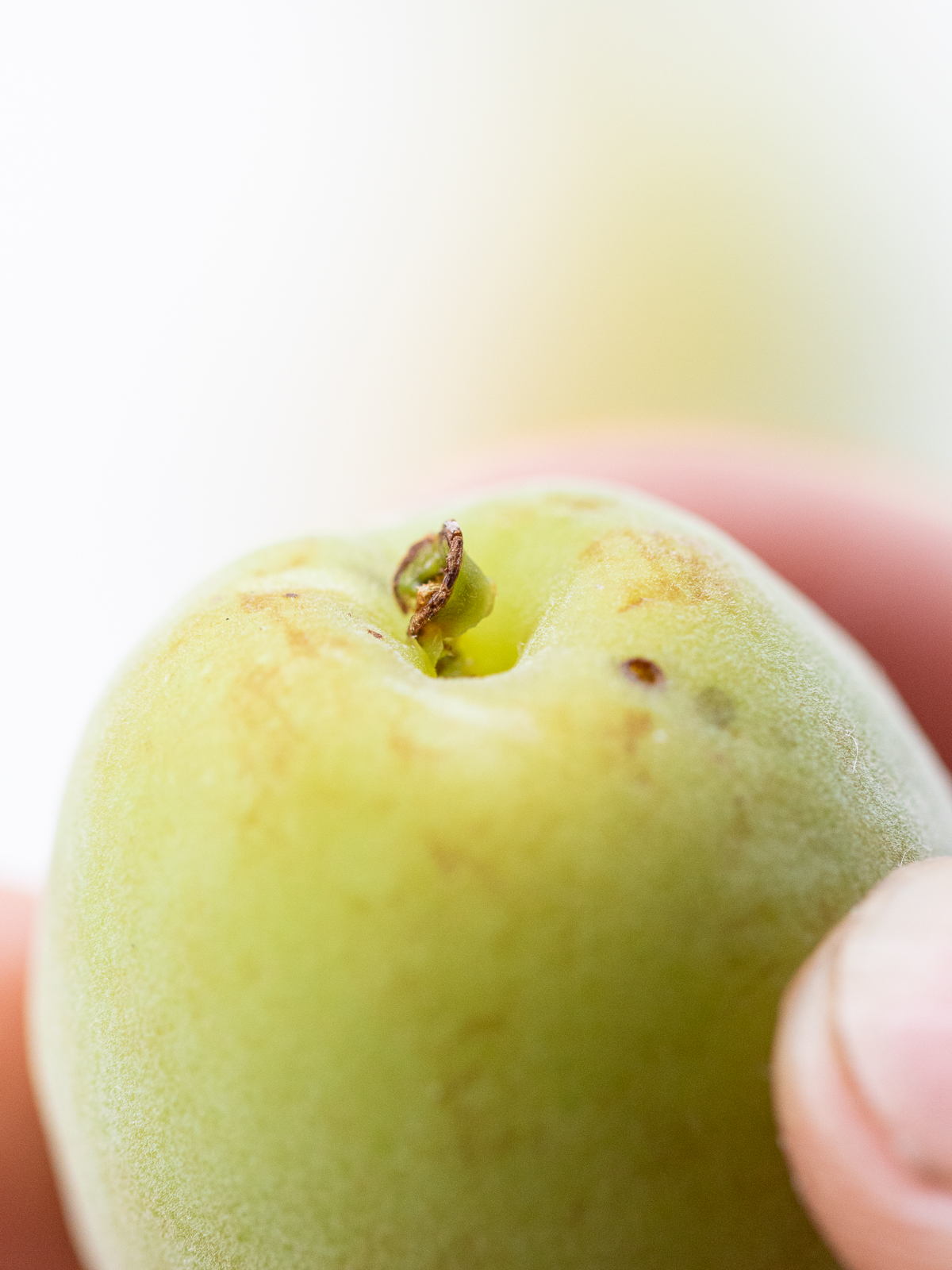
— the stem should pop right out with little effort!
After all the stems are removed, dry the plums completely using a clean kitchen towel. Any leftover moisture can increase the risk of mold, so don’t skip this step!
🥣 How to Make
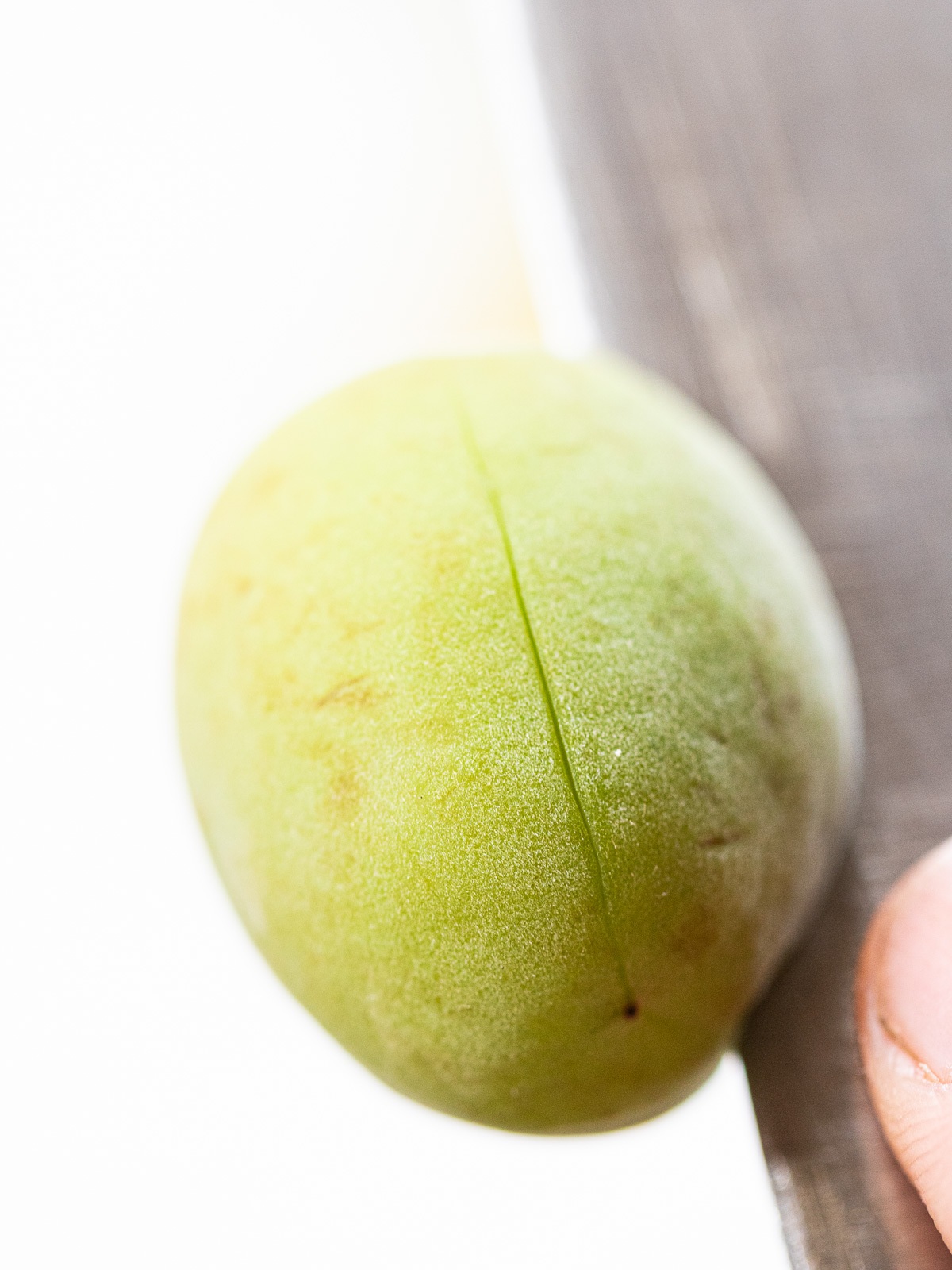
- Cut the Plums: Slice 3–4 shallow cuts around each plum. This allows juice to extract faster and more evenly.
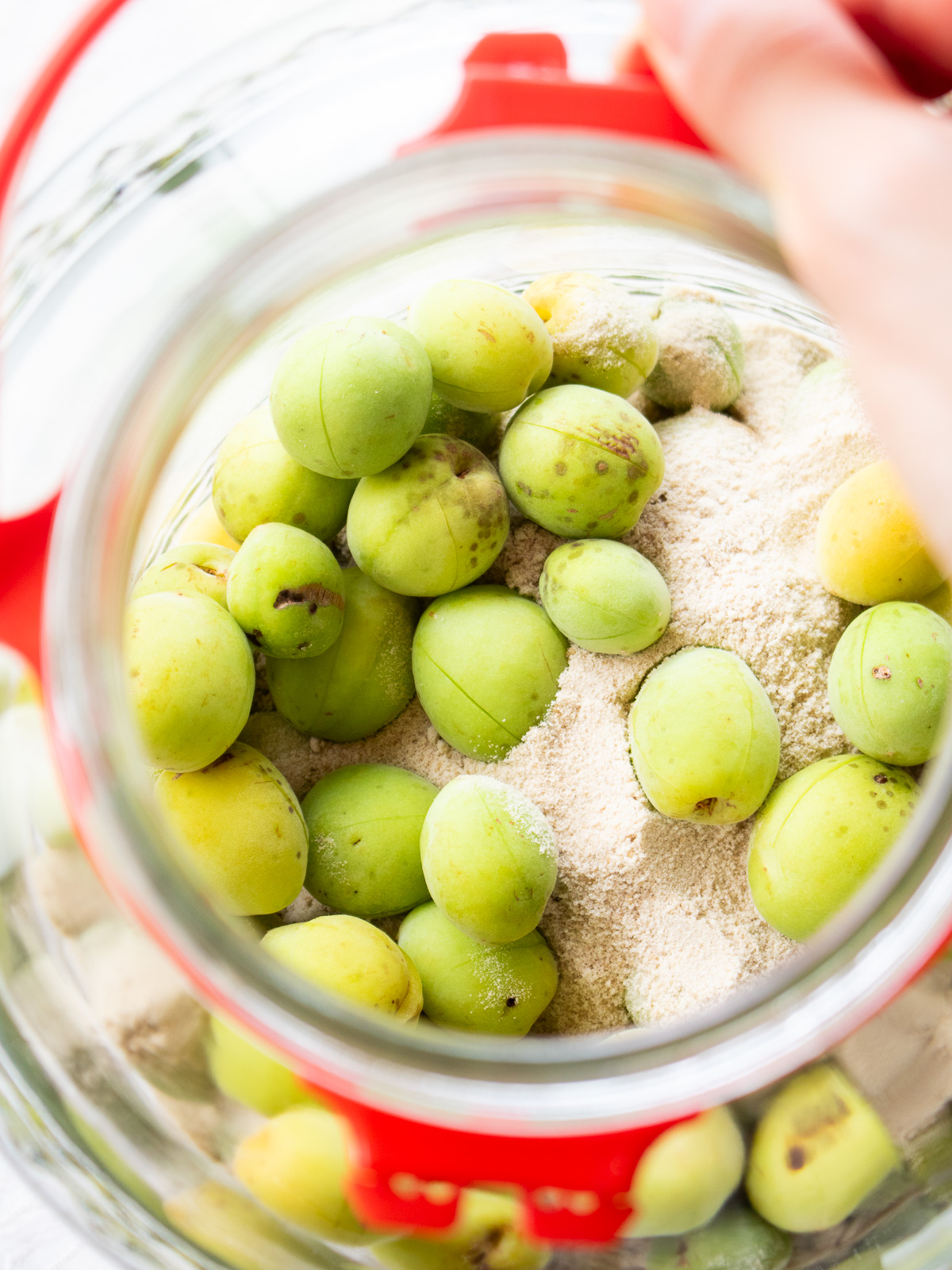
- Layer Sugar and Plums in a Jar: In a clean, dry glass jar:
・Add a layer of sugar.
・Add a layer of plums.
・Repeat until full, ending with a layer of sugar.
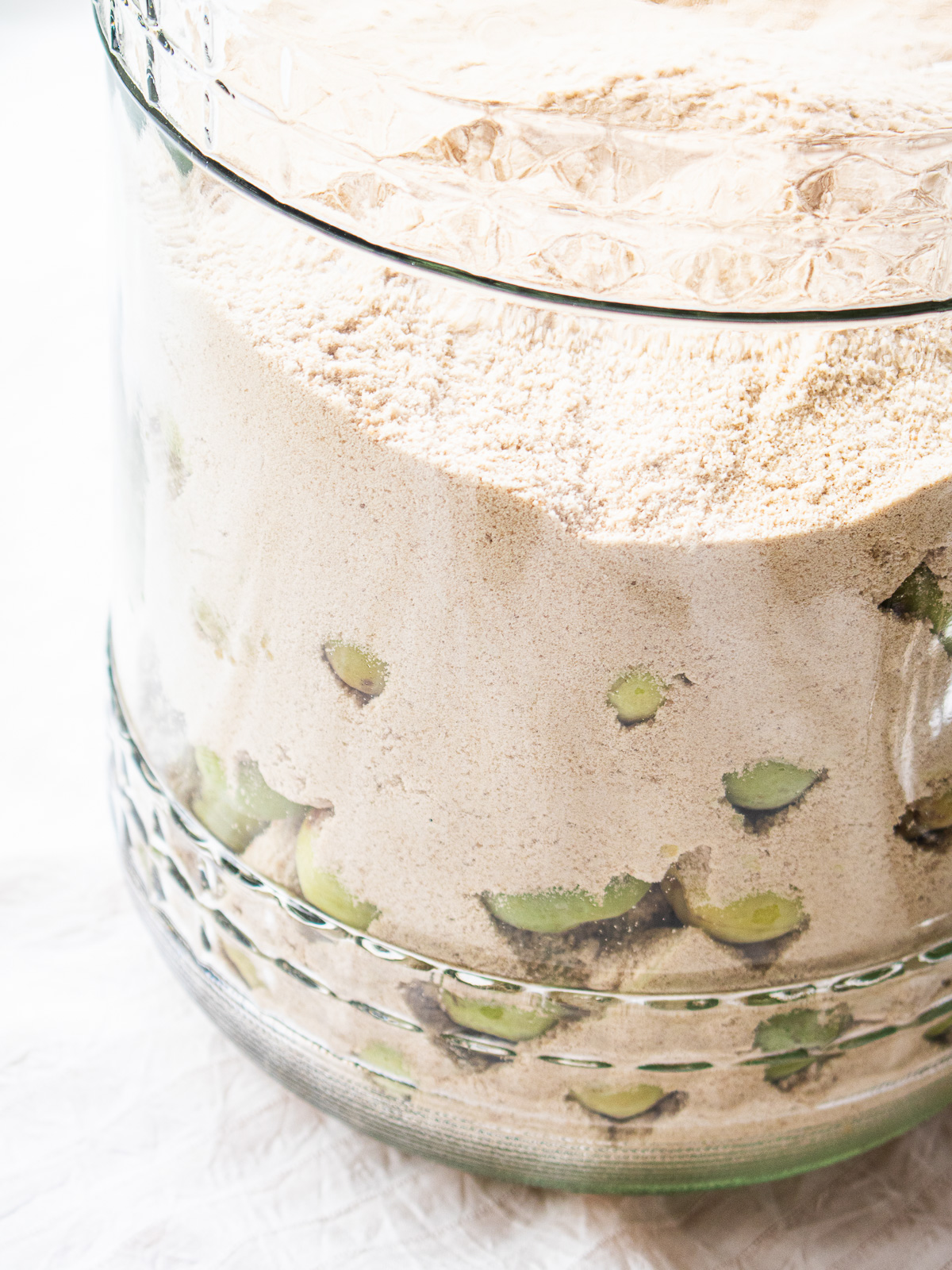
- Let it sit: Seal the jar and store it in a cool, dark place. Check the jar daily or every 2–3 days until the sugar is completely dissolved. Gently shake the jar to make sure the plums stay covered with sugar. Juice may begin to form in a few days, but this can vary depending on the temperature and the sugar. If the sugar is taking a long time to dissolve, use a non-metallic utensil to stir it and help it dissolve evenly.
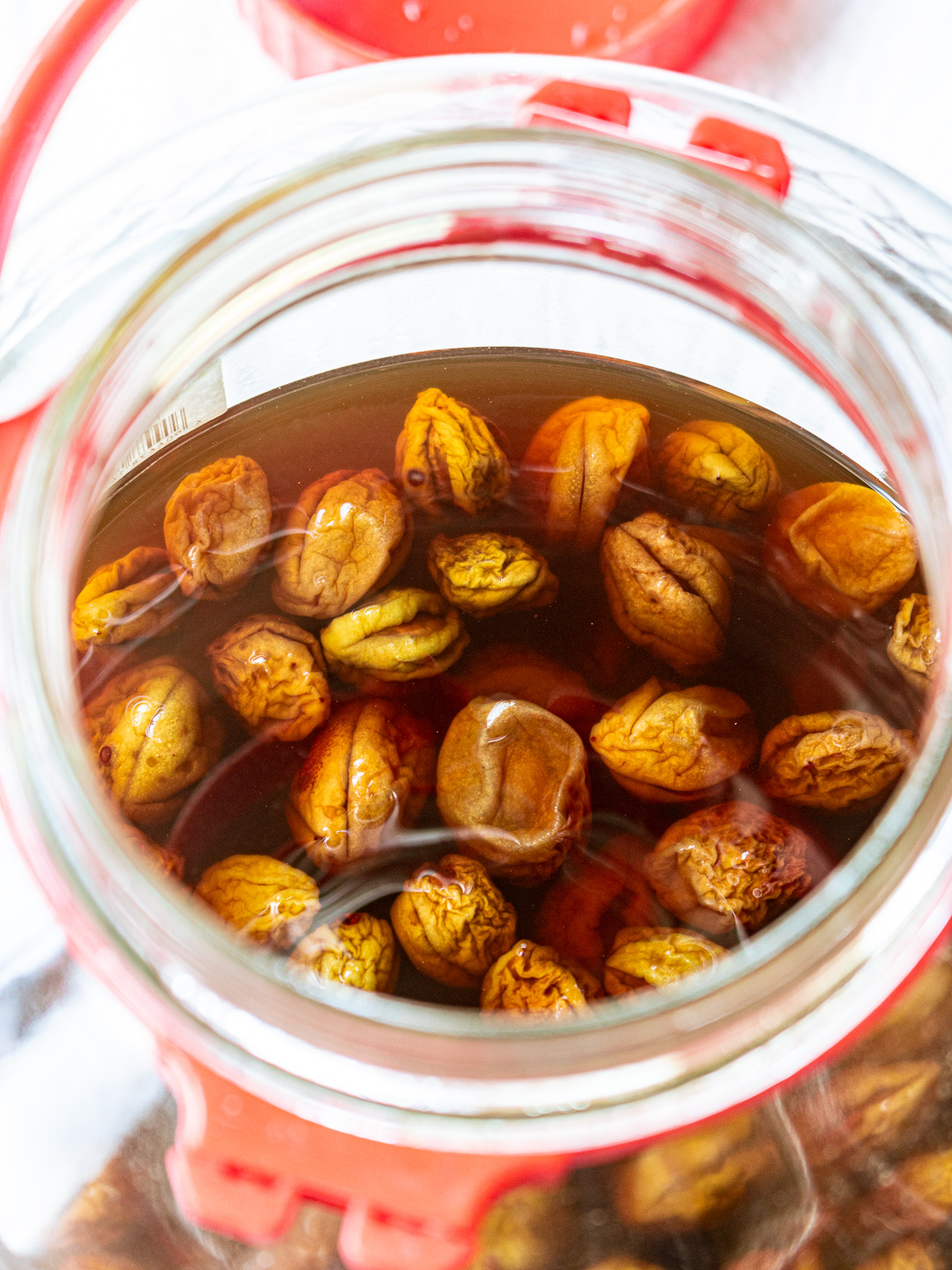
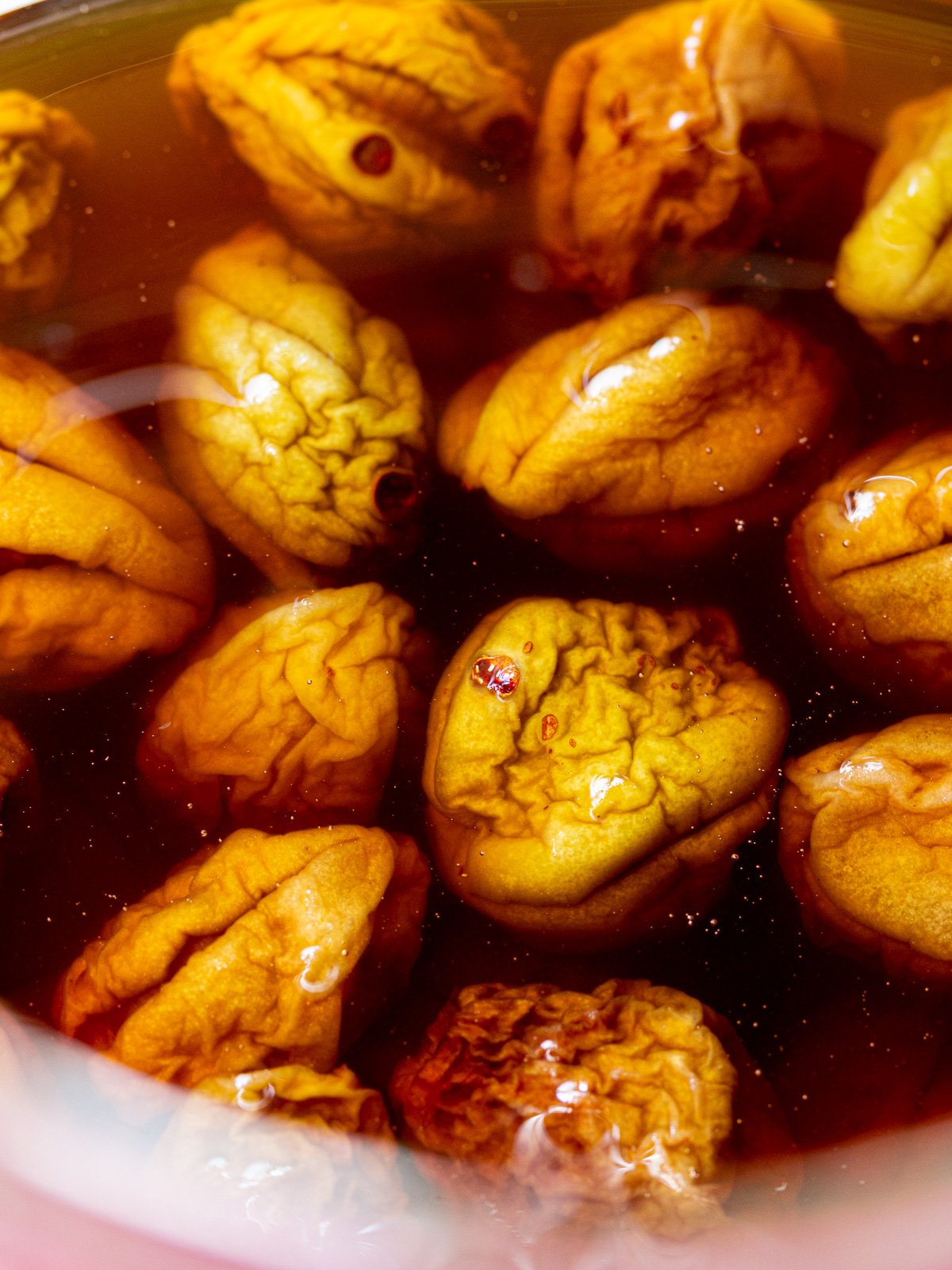
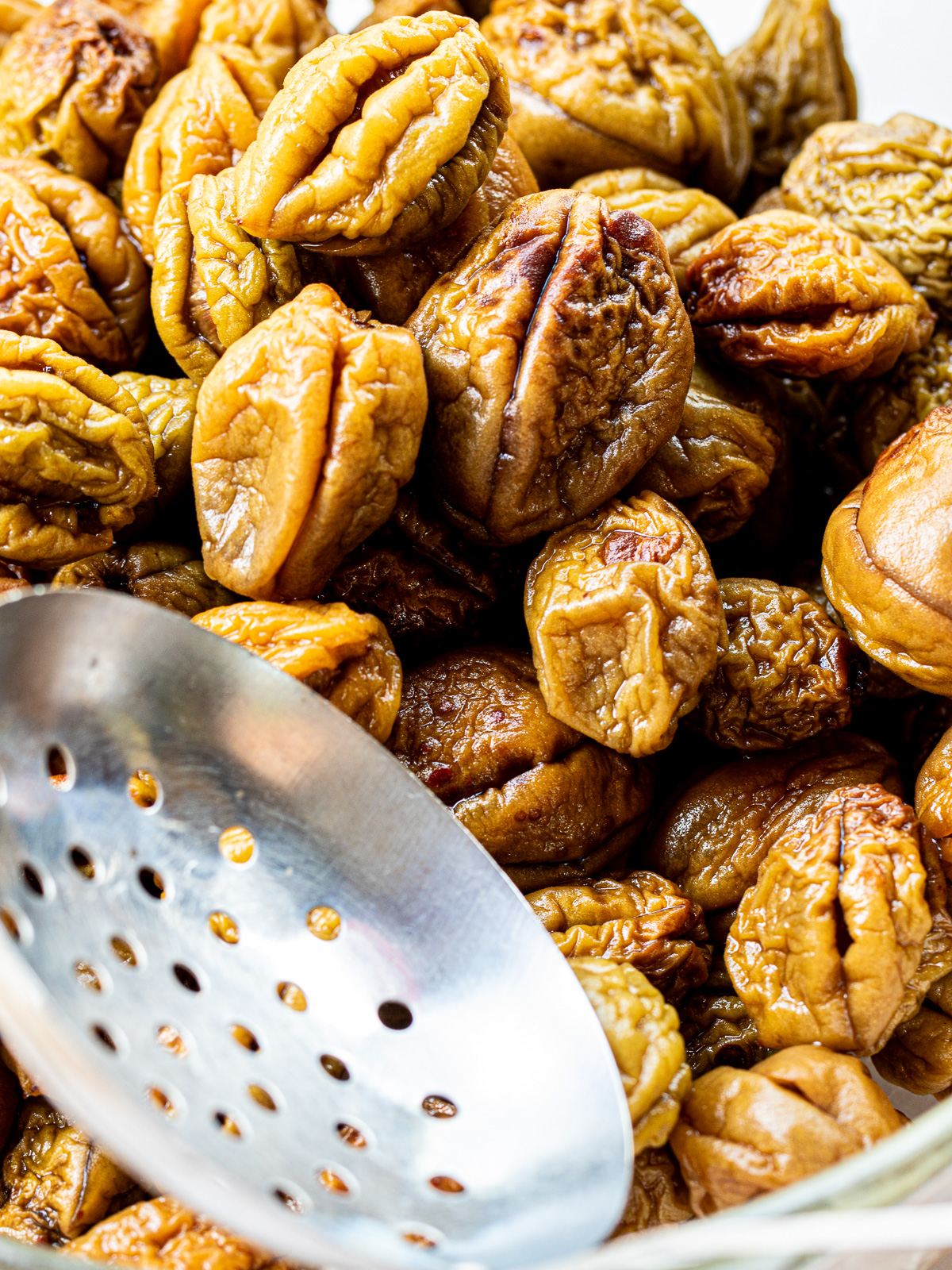
- Wait for 100 Days: Let the mixture sit undisturbed for approximately 3 months (90–100 days) in a cool, dark place. Once fully extracted, strain out the plums and transfer the syrup to clean bottles.
📌 Tips for Success
- Ensure plums are 100% dry before use
- Keep all tools and containers sterilized
- Check every 2–3 days until the sugar has completely dissolved
🧊 Storage & Shelf Life
Once your maesil-cheong (Korean green plum syrup) is ready, keep it in a cool, dark place. Some people like to let it age for a year or two to develop a richer flavor, but you can start using it right away if you’d like.
If you’re portioning it into smaller jars for everyday use, just keep in mind that frequent opening can cause it to spoil more quickly. In that case, it’s a good idea to store those jars in the fridge to keep them fresh.
🐰 Left Over Plums?
Bonus tips! Any leftover plums can be turned into:
- maesil-jangajji (plum pickles)
- Added to marinades, yangneomjang (양념장)
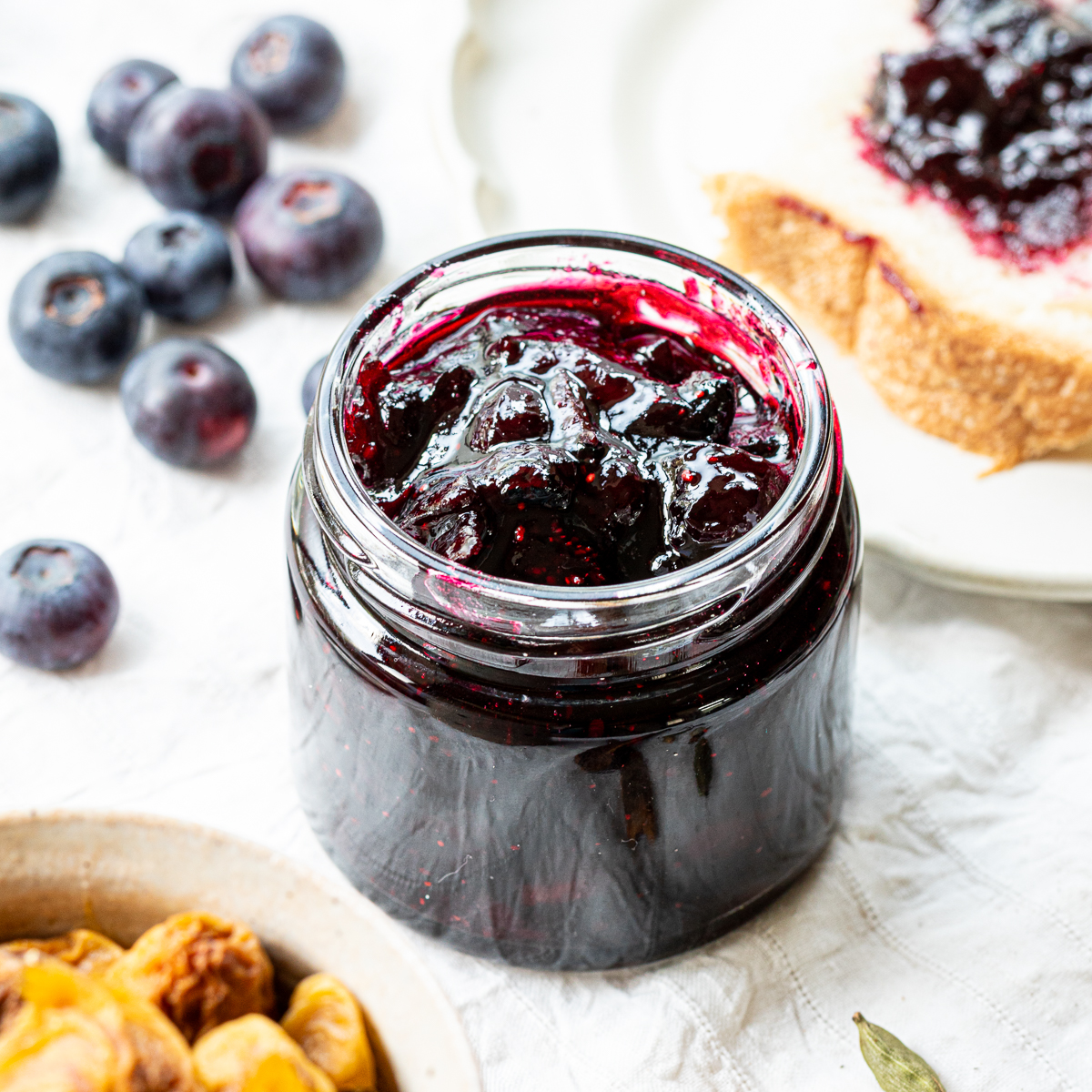
- chai spiced blueberry plum jam
🍹 How to Use Maesil-cheong
- Maesil tea (매실차): 1 tablespoon syrup + hot or cold water
- Korean BBQ marinade: Add sweetness and tang to bulgogi or tofu marinade
- Salad dressings: Replace honey or sugar with this syrup
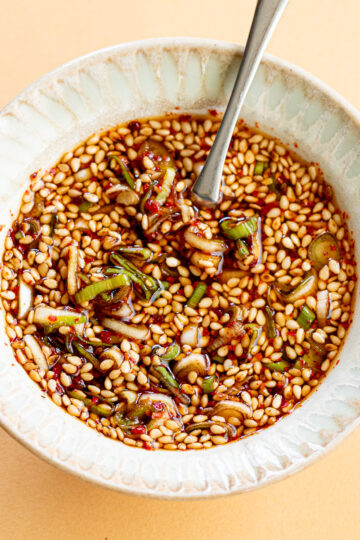
- Make Korean Sauce: Here is my special Yangnyeomjang (양념장) with Korean Plum Syrup recipe!
- Desserts: Drizzle over yogurt, pancakes, or fruit
❄️ Seasonal Note
Green plums are only available for a few short weeks each year. In Korea and Japan, they’re typically harvested between late May and early June — so don’t miss your window!
💭 FAQs – Korean Maesil Syrup
A. No — green unripe plums are essential. Ripe ones may cause spoilage and reduce syrup quality.
A. Yes, but brown sugar or unrefined sugar yields deeper flavor.
A. Avoid metal utensils, as they can react with the acidic syrup. Stick to glass, plastic, or silicone.
A. After steeping for 90–100 days:
- The syrup will have a clear, deep amber color
- The plums will be shriveled, with most of their juice extracted
- It should smell sweet and fruity (not sour or alcoholic)
- No mold or cloudiness should be present
If all these signs are present, your syrup is ready to strain and enjoy!
⚠️ Troubleshooting
Syrup smells sour, alcoholic: This indicates unwanted fermentation. Discard immediately and start over with a higher sugar ratio.
Sugar not dissolving: Make sure to stir every 2–3 days until the sugar dissolves. Tilting the jar also helps redistribute the sugar.
Plums floating on top: This increases mold risk. Always end with a thick sugar layer to keep plums submerged.
📖 Want More Ume Recipes?
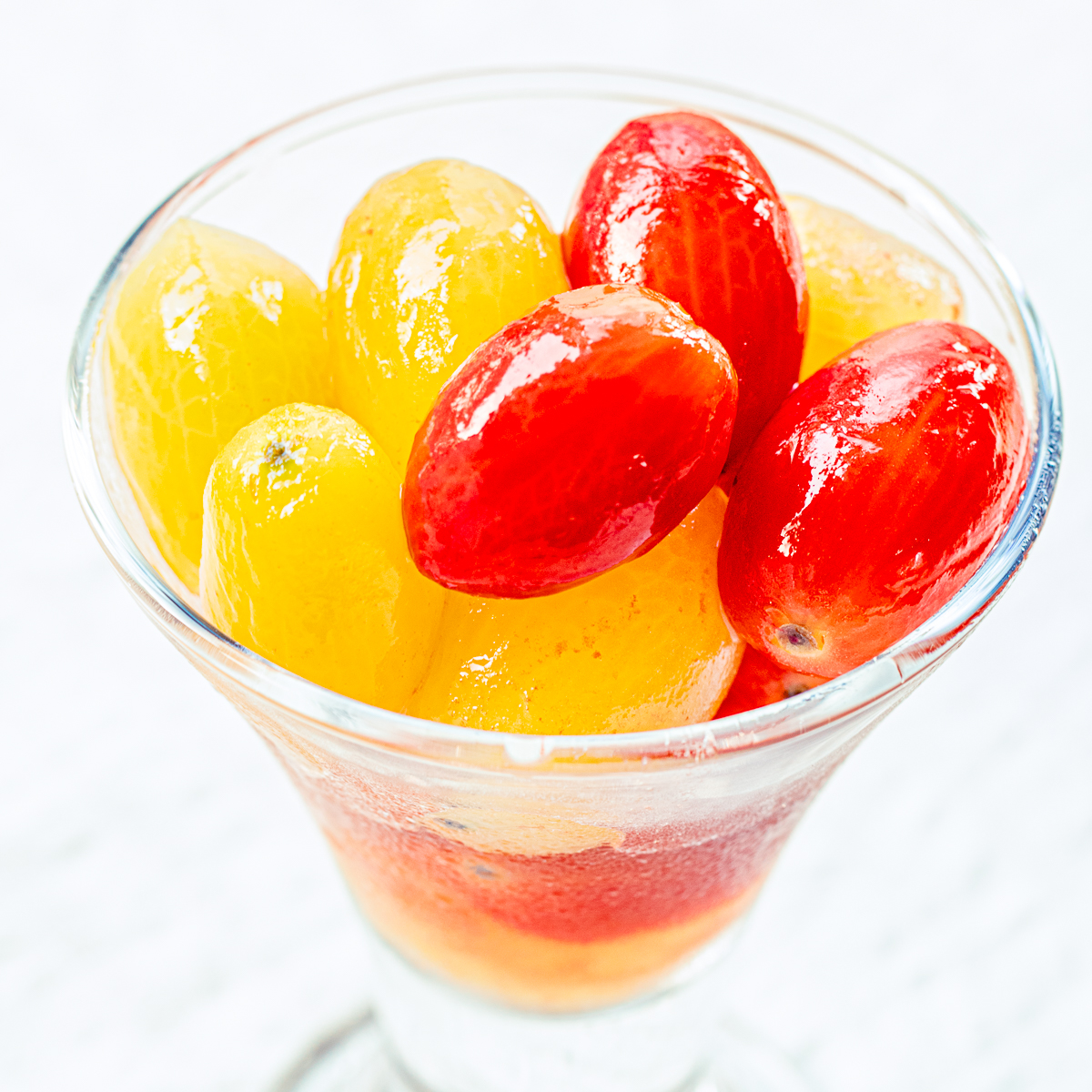
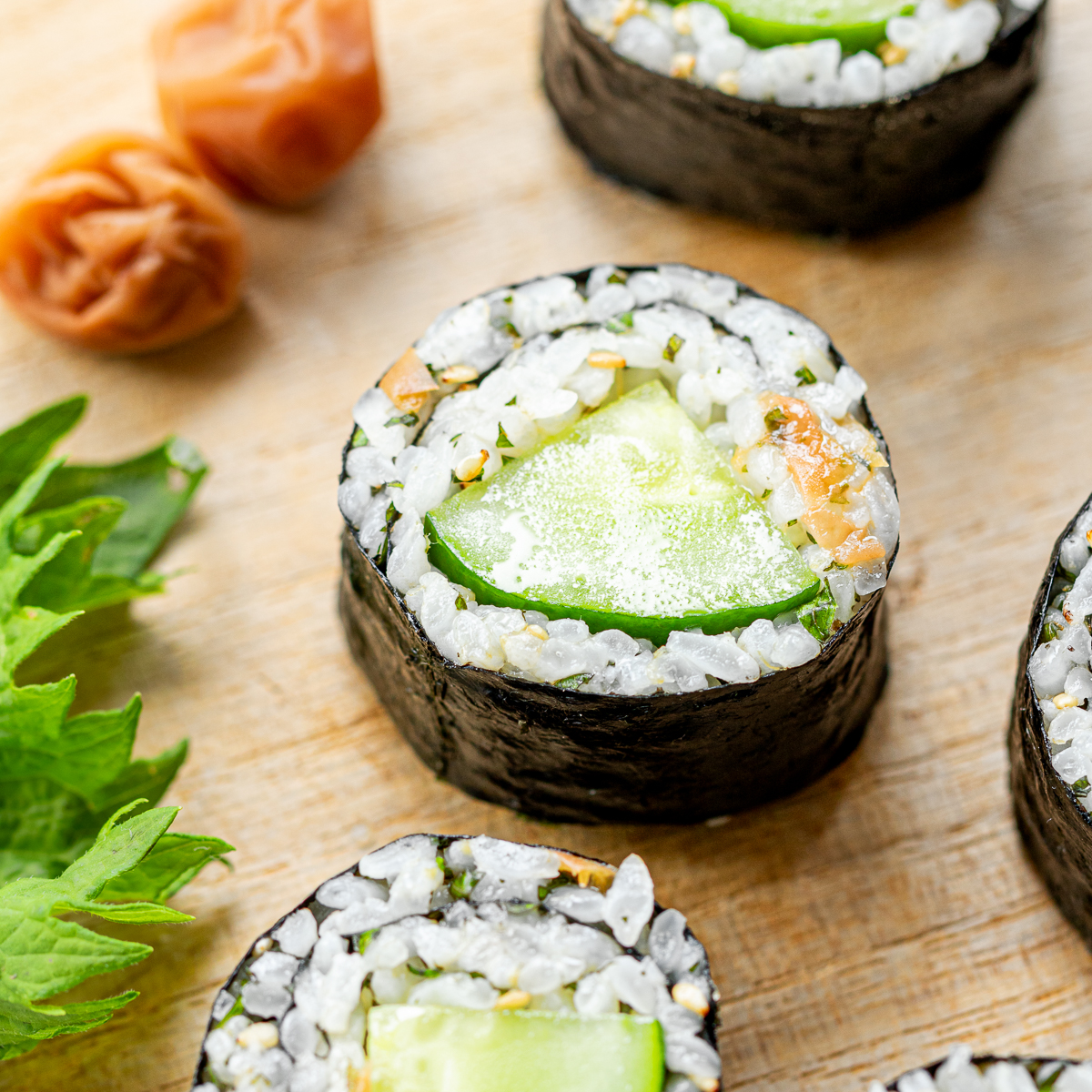
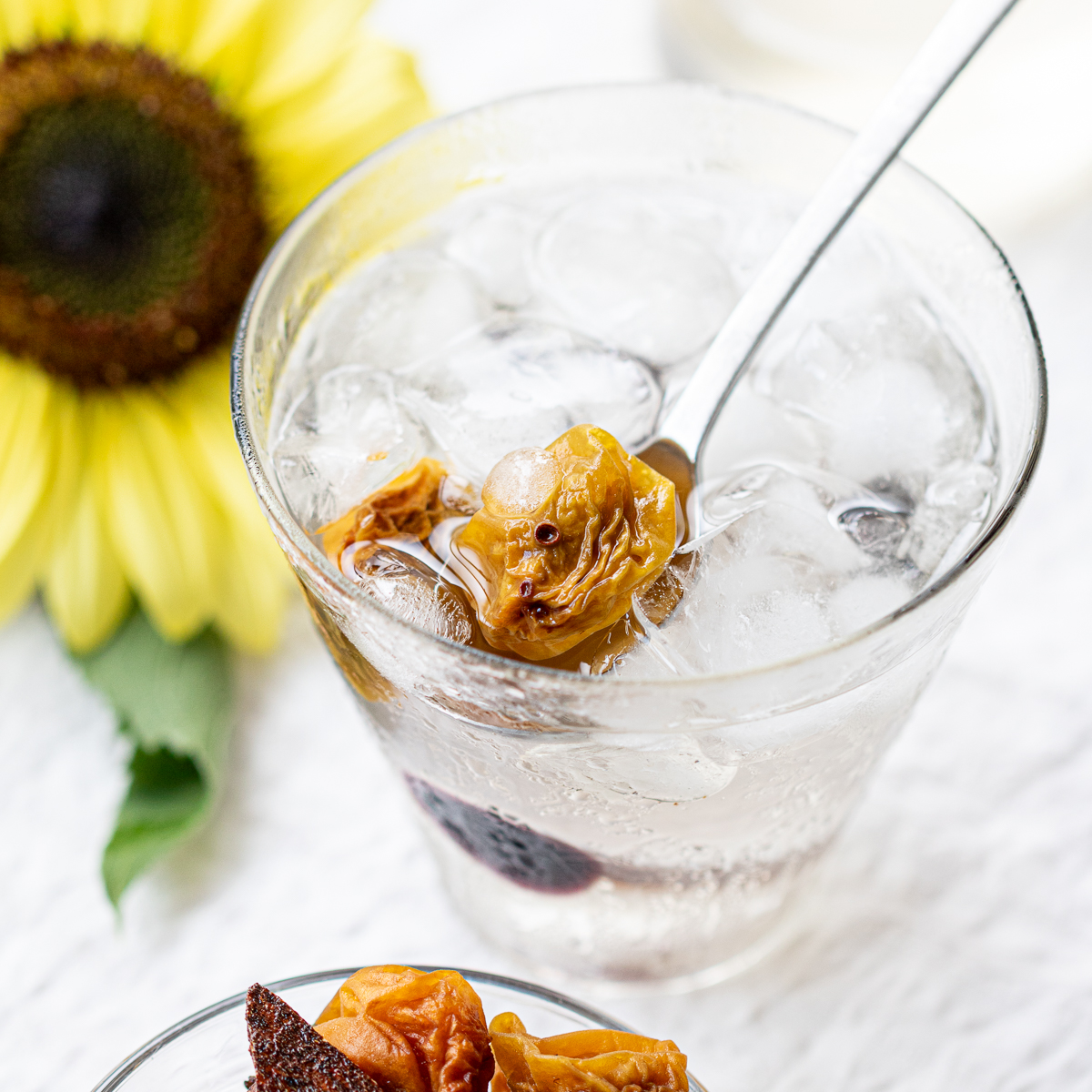
If you would like to explore more Ume world, check out these :
🇰🇷 More Korean Dishes
If you are a Korean food lover...
📖 Recipe Card
Korean Green Plum Syrup (Maesil-cheong)
Equipment
- 1 glass jar 3L
- 2 glass jar 930ml - for storage
- 1 skewer
- paper towel
- 1 kitchen knife
- 1 strainer ladle
Ingredients
- 1 kg green plums (maesil, unripe and firm)
- 1 kg sugar (brown sugar is recommended)
Instructions
- Wash the green plums: Rinse thoroughly to remove any dirt or residue.1 kg green plums
- Remove stems: Use a toothpick or skewer to remove the stems from each plum.
- Dry completely: Pat dry with a clean kitchen towel. Moisture increases the risk of mold.
- Cut the plums: Make 3–4 shallow cuts around each plum to help the juice release more quickly and evenly.
- Layer sugar and plums: In a sterilized, dry glass jar, add a layer of brown sugar, then a layer of plums. Repeat until the jar is full, ending with a sugar layer on top.1 kg sugar
- Seal and store: Seal the jar and store it in a cool, dark place, away from direct sunlight.
- Stir regularly: Check the jar daily or every 2–3 days until the sugar has completely dissolved. Gently stir with a wooden or silicone utensil (avoid metal!) or tilt the jar to keep the plums coated with sugar. Dissolving the sugar thoroughly early on is important to prevent spoilage.
- Steeping for 90–100 days: Syrup may begin to form within a few days. Continue steeping for about 90–100 days for full flavor development.
- Strain and bottle: Once fully extracted, strain the syrup into clean bottles or jars. Discard or reuse the leftover plums if desired.
Notes
Tips:
- Use only firm, unripe green plums (usually available May–June).
- Make sure all tools and jars are sterilized and dry to prevent mold.
- If mold appears, discard the batch and try again — cleanliness is key!
- For easier stem removal, press a skewer into the edge of the stem and lift straight up.
Important!
- Avoid metal tools — the acidity of green plums can react with metal, which may affect the flavor and even damage your utensils.
- Use wood, silicone, or plastic utensils for safe and clean steeping.
- If you must use metal, wash it thoroughly right after use to prevent corrosion or off flavors.

💬Did you try this recipe? Let me know how it turned out in the comments— or mention #vegin_vegan_vegun or just tag us @veginveganvegun with your delicious creations!
Also check out How to Make Japanese Ume Syrup and Plum Recipes Collection!
Wishing you all a wonderful, healthy, and happy day🕊

Vegin Vegan Vegun! says
We'd love to hear your thoughts! Feel free to ask any questions or leave any requests!