
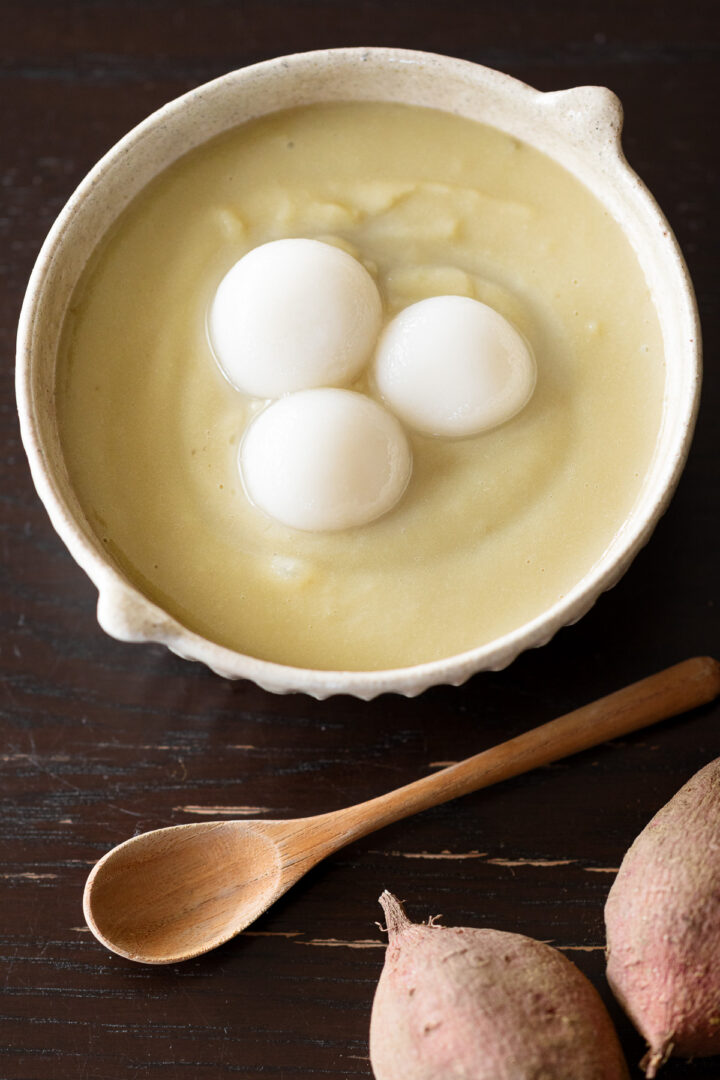
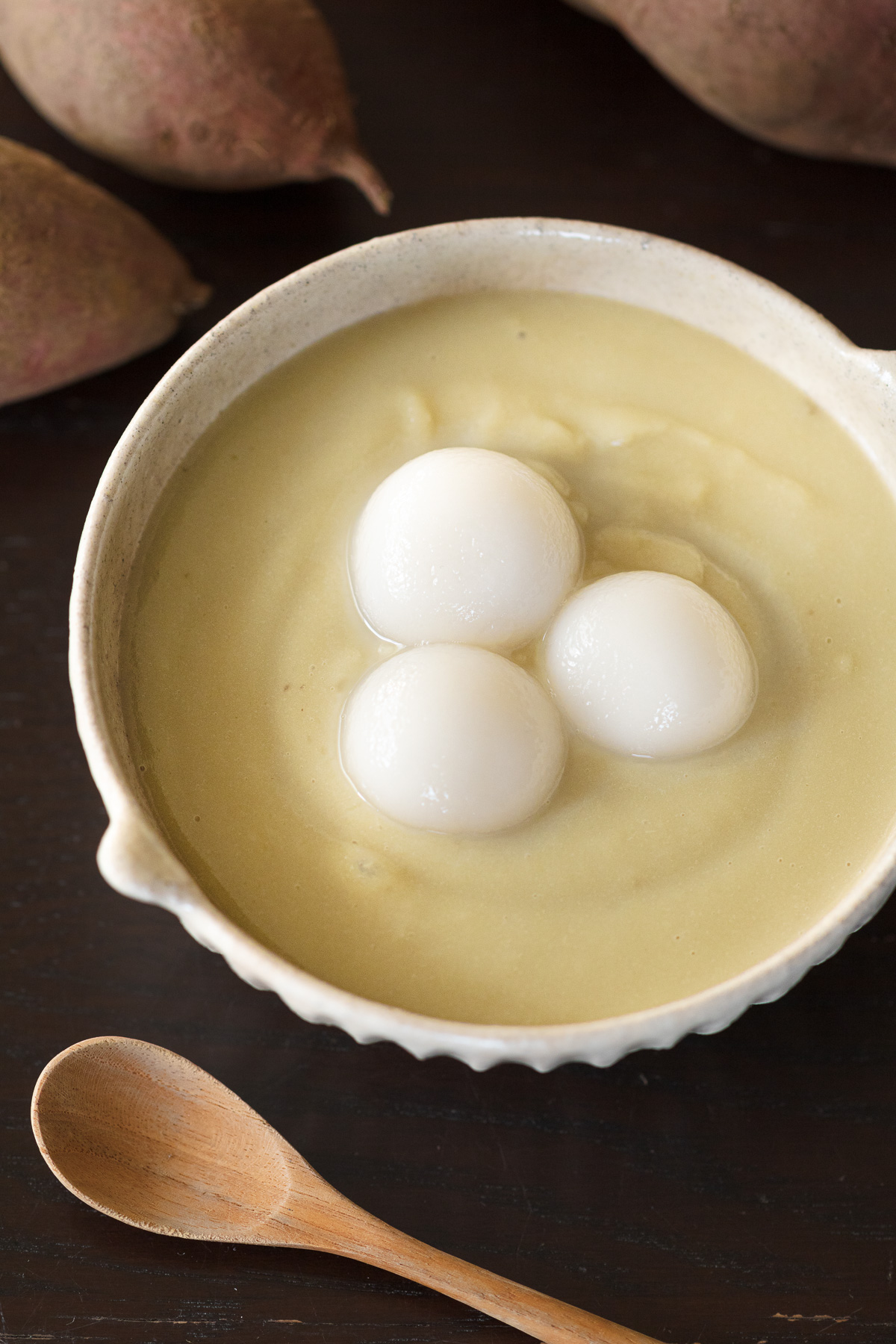
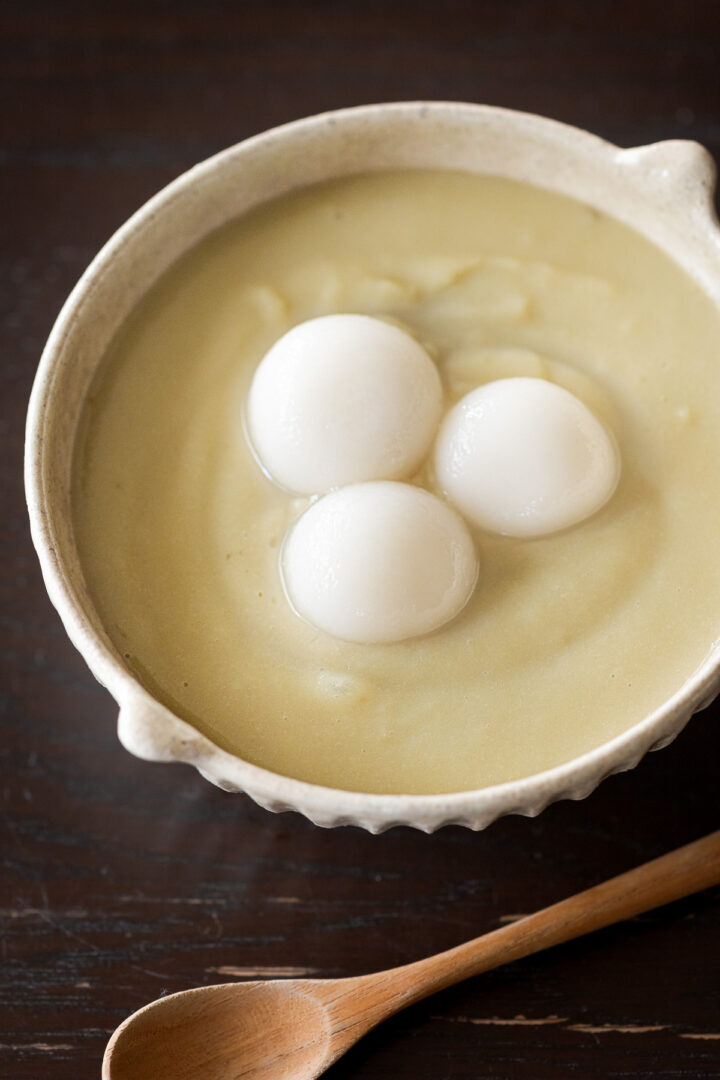
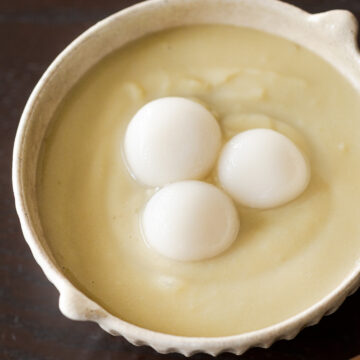
A creamy Japanese sweet potato dessert, oshiruko, made with roasted yakiimo and soft mochi.
Sweetened only by the potato’s own natural richness, it’s an entirely plant-based and comforting vegan treat for the winter season.
Jump to:
☃️ From Winter Kitchen
Just after the New Year, I made a simple oshiruko using oven-roasted beni haruka sweet potatoes (yakiimo).
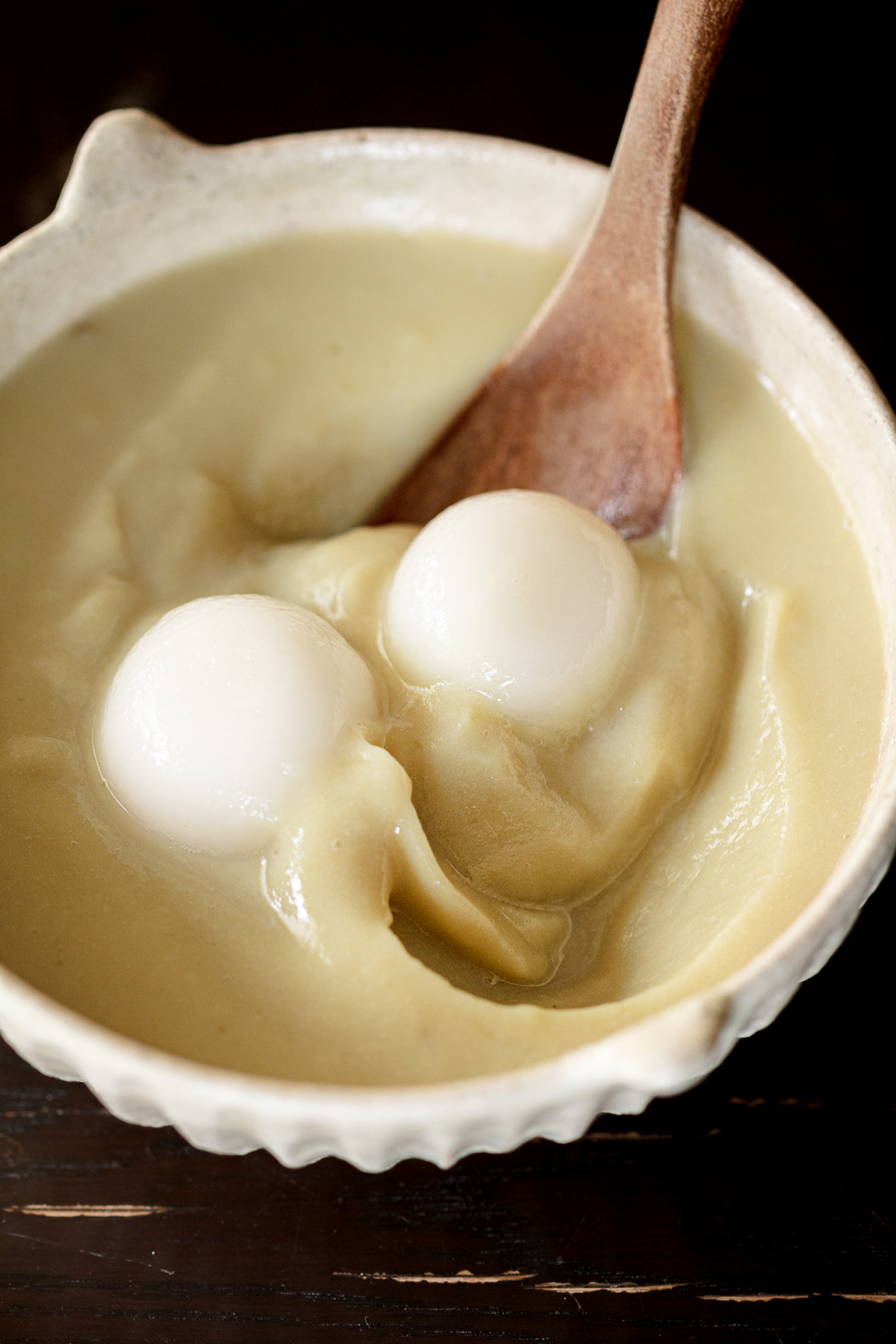
The rich, naturally sweet yakiimo melts into a thick, velvety paste—sweet enough on its own, no sugar needed.
I'm usually mochi'd out by now—but I can never say no to shiratama. These soft, chewy dumplings made from glutinous rice flour make the whole bowl feel fresh and deeply satisfying.
Topping it with some boiled azuki beans deepens the sense of a traditional Japanese dessert—one spoonful at a time, until the bowl is empty—and somehow, completely full.
🌿 Yakiimo Variations:
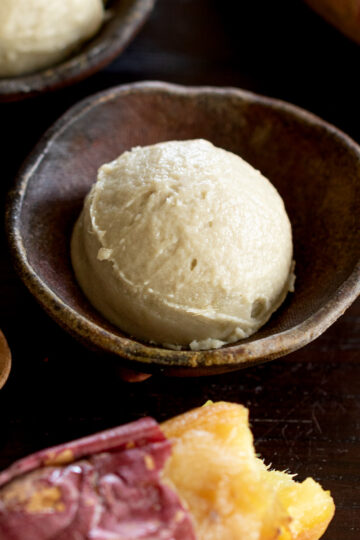
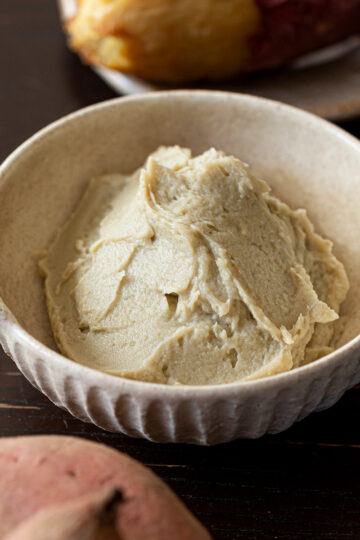
Yakiimo latte, yakiimo Mont Blanc cream, and yakiimo ice cream.
Each recipe is made without added sugar, letting the natural sweetness of the sweet potato shine through.
🧺 What Makes This Oshiruko Special
- Perfect for leftover yakiimo: Turn extra roasted sweet potatoes into a gentle, oshiruko-style dessert
- Naturally sweet, no added sugar: Sweetened only by the deep flavor of Japanese sweet potato
- Vegan & vegetarian: Made with sweet potato and shiratama mochi
- Enjoy hot or cold: Comforting when warm, refreshing when chilled
- Simple to customize: Finish with kinako or black sesame, as you like
- With mochi (firm rice cakes): A quiet way to use up leftover New Year’s traditional mochi
🍊 Ingredients
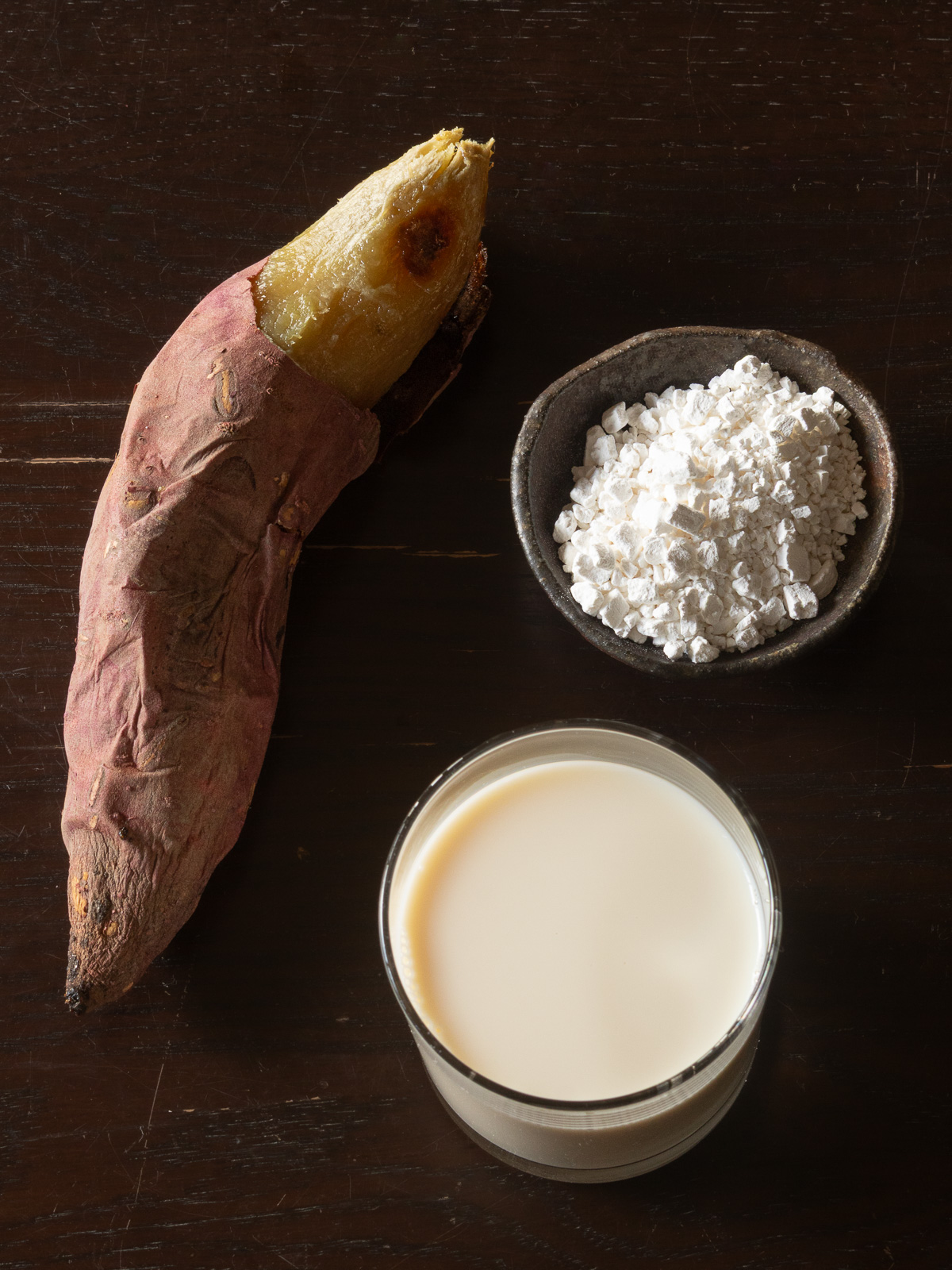
- Roasted yakiimo: Oven-baked Japanese sweet potato (beni haruka recommended; other naturally sweet varieties like annou imo also work)
- Shiratama flour: For chewy rice flour dumplings. I used Tamasan this time.
- Unsweetened soy milk: To add smoothness and richness
- Water: To adjust consistency
🥣 Tools
- Mixing bowl
- Saucepan
- Slotted ladle
- Spatula
- Hand blender
📖 How to Make
Prepare the shiratama mochi and the roasted sweet potato paste, then simply assemble.
- Make the shiratama mochi
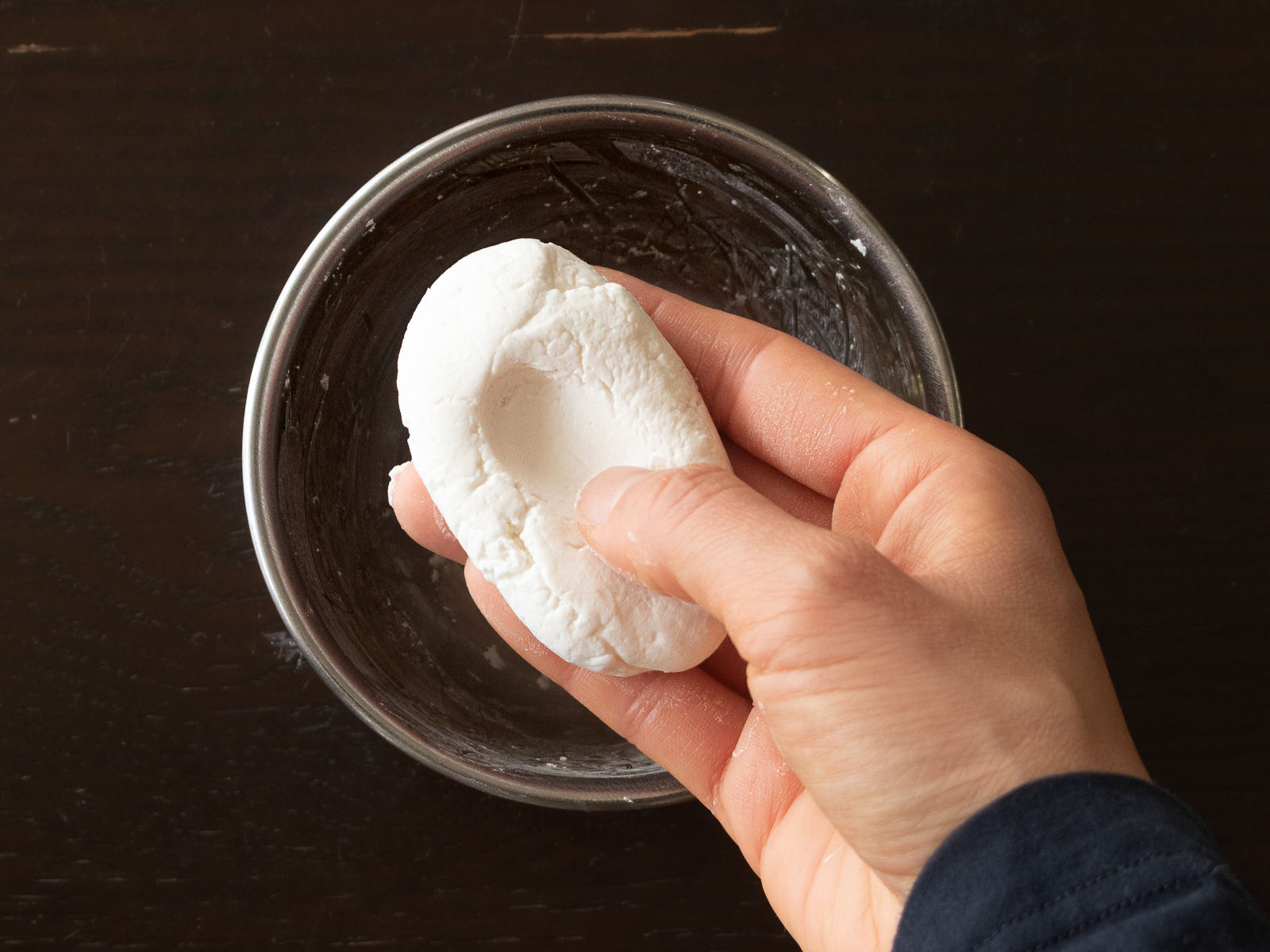
- Place the shiratama flour in a bowl and gradually add water, mixing as you go.
- Knead until the dough comes together to an earlobe-soft consistency.
- Roll into small, bite-sized balls.
🌿 If the dough becomes too soft, simply add a little more shiratama flour to adjust.
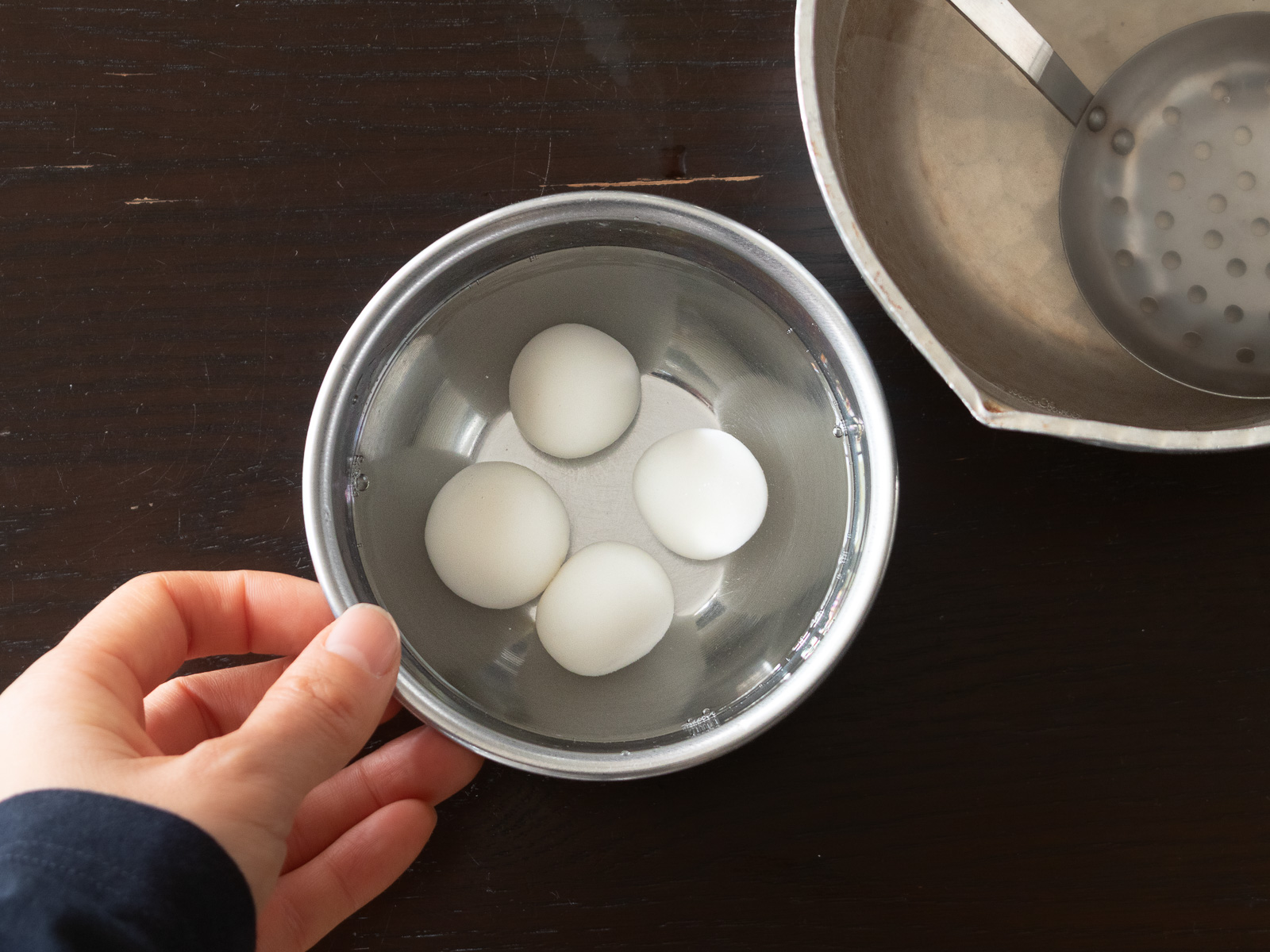
- Boil the shiratama mochi
- Bring a pot of water to a boil and gently add the shiratama balls.
- Once they float to the surface, boil for about 1 more minute.
- Transfer to a bowl of cold water and set aside.
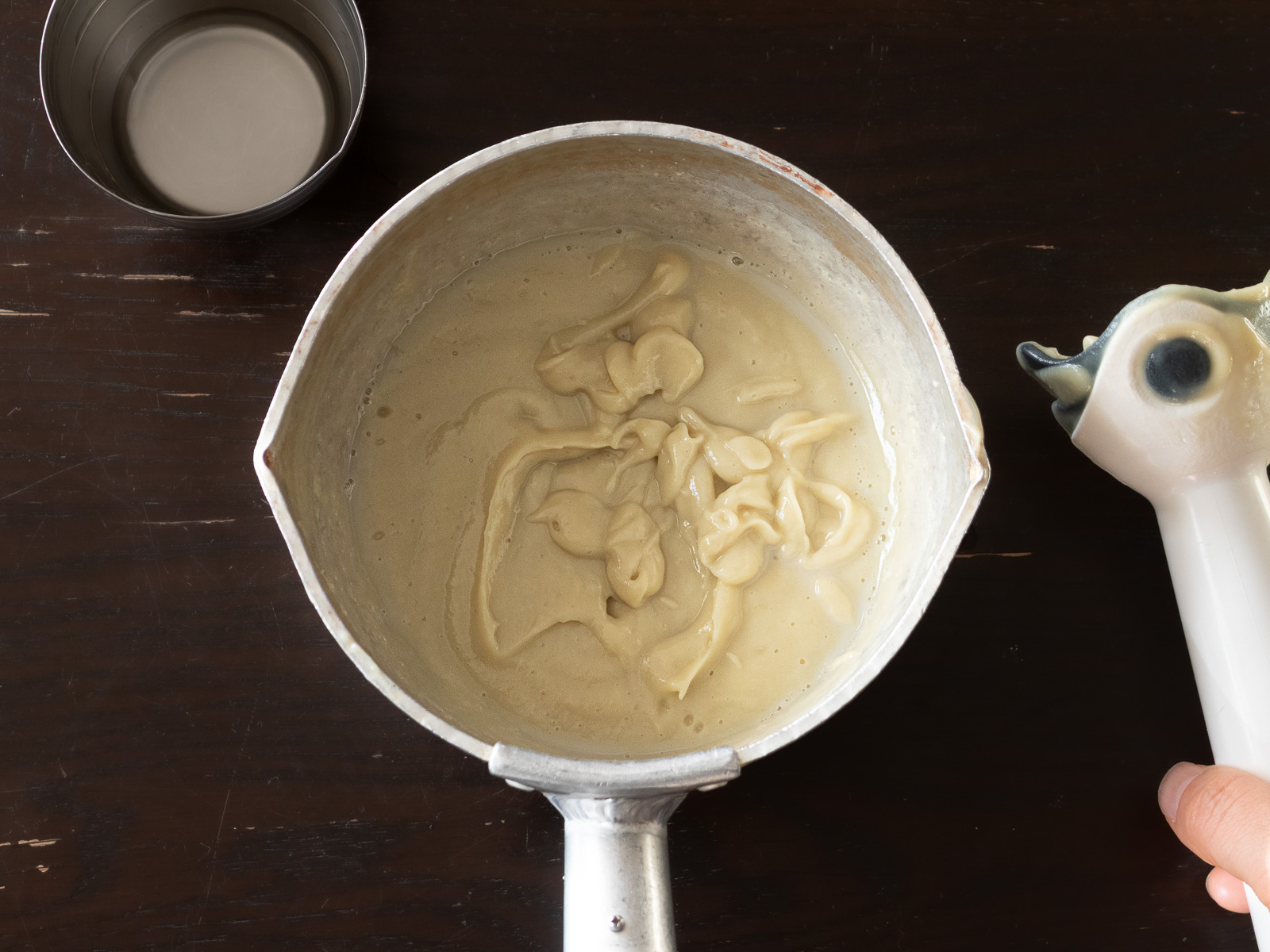
- Make the roasted sweet potato paste
- Place the peeled roasted sweet potatoes in a saucepan.
- Add soy milk and blend until smooth using a hand blender.
🌿 Taste as you go, adding soy milk little by little.
If the bean flavor becomes too strong, switch to water to adjust the consistency.
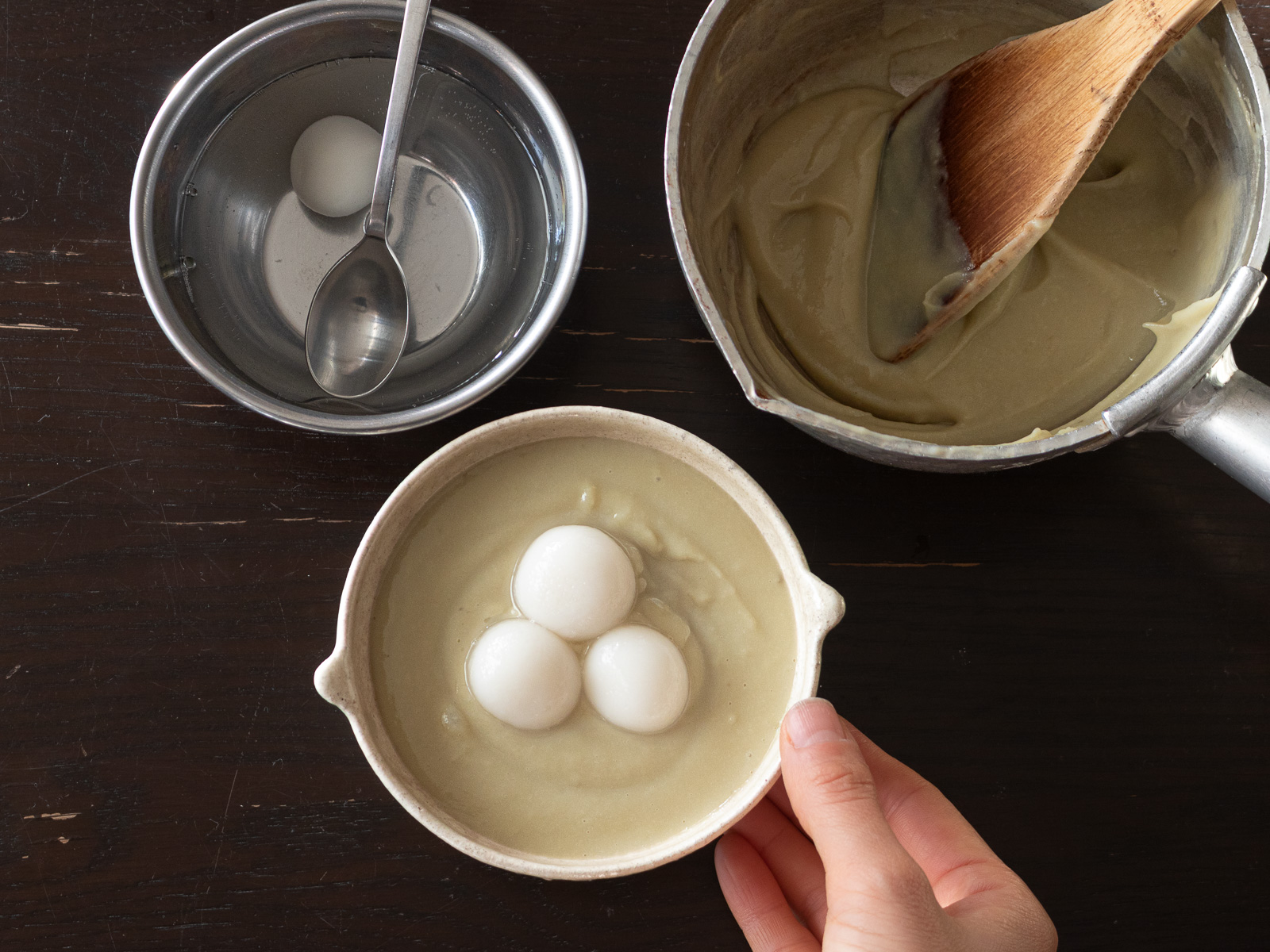
- Assemble
- Gently reheat the sweet potato paste and pour into serving bowls.
- Add the shiratama mochi and serve.
🌿 For topping ideas and variations, see the Kitchen Notes.
This dessert can also be enjoyed chilled as a refreshing cold oshiruko.
📘 Kitchen Notes | Variations & Ideas
➤ Change the flavor
A small addition at the end can gently shift the mood:
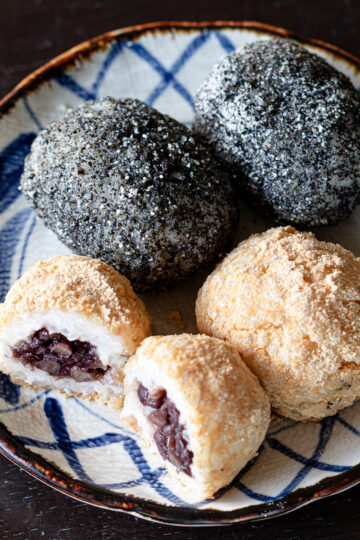
- Kinako (roasted soybean flour): A classic pairing with roasted sweet potato. Also used in the baked sweet potato kinako balls on the blog.
- Ground black sesame: A familiar flavor in daigaku-imo, perfect when you want extra nuttiness.
- Cinnamon: Just a hint brings out the natural sweetness of the roasted sweet potato.
- Instant coffee: A small amount turns it into a mocha-like flavor, reminiscent of a roasted sweet potato latte (Goguma latte).
➤ Change the milk
- Unsweetened soy milk → coconut milk: For a richer, more dessert-like finish.
➤ Add texture with toppings
- Coconut flakes
- Toasted black sesame seeds
- Unsweetened cooked azuki beans
📚 FAQ
Yes. Anno sweet potatoes are a good alternative, as they are also naturally sweet.
If you use a drier, fluffier variety with less sweetness:
❶ Add a little sugar to balance the flavor.
❷ Increase the amount of water or soy milk to achieve a smooth texture.
Taste as you go and adjust to your preference.

If you feel like whispering a thought, asking a question, or simply saying hello — the comment section is always open 📮
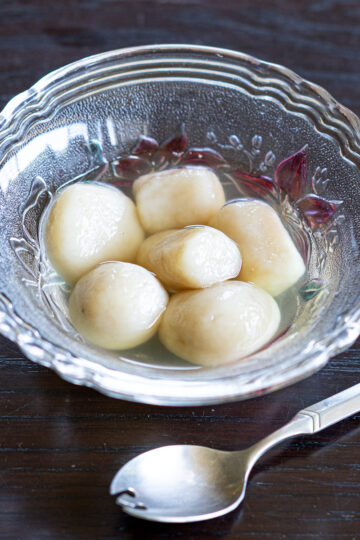
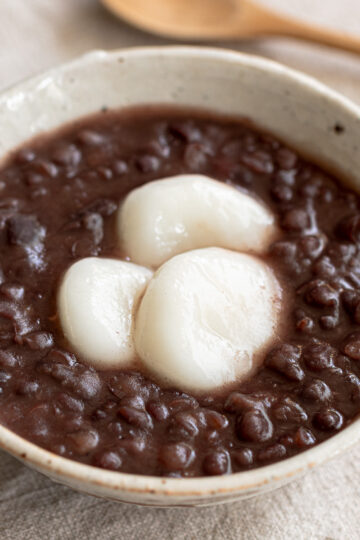
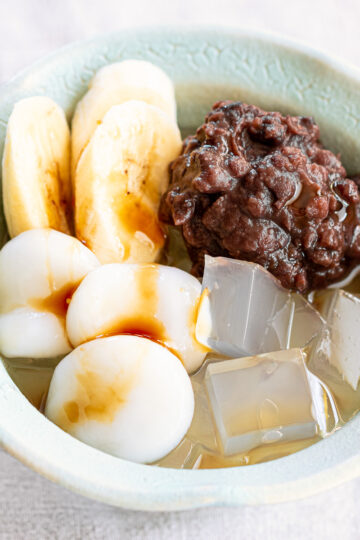
🐈 Recipes with Shiratama Mochi
Vegan recipes made with soft, chewy shiratama mochi:

🛷 Recipes Using Leftover Yakiimo
Sugar-free vegan dessert recipes made with naturally sweet, roasted yakiimo:

✏️ Recipe Card|Printable
Vegan Sweet Potato Oshiruko with Mochi
Equipment
- Mixing bowl
- Saucepan
- Slotted ladle
- Spatula
- hand blender
Ingredients
For the sweet potato base
- 180 g baked Japanese sweet potato (about 6.3 oz yakiimo, peeled)
- 150 ml unsweetened soy milk (about)
- 50 ml water (for adjusting consistency) (about)
For shiratama mochi (about 8 pieces / serves 2 — use half for 1 serving)
- 50 g shiratamako (shiratama flour)
- 45 ml water (about)
Optional Flavors
- kinako (roasted soybean flour)
- ground black sesame
- cooked azuki beans
Optional Toppings
- coconut flakes
- toasted black sesame seeds
- kirimochi (cut rice cakes, grilled)
Instructions
Make the shiratama mochi
- Place the shiratama flour in a bowl and gradually add water, mixing as you go.45 ml water50 g shiratamako
- Knead until the dough reaches an earlobe-soft consistency.*If the dough becomes too soft, add a little more shiratama flour to adjust.
- Roll into small, bite-sized balls.
Boil the shiratama mochi
- Bring a pot of water to a boil and gently add the shiratama balls.
- Once they float, boil for about 1 more minute.
- Transfer to a bowl of cold water and set aside.
Make the roasted sweet potato paste
- Place the peeled roasted sweet potatoes in a saucepan.180 g baked Japanese sweet potato
- Add soy milk and blend until smooth using a hand blender. Taste as you go, adding soy milk little by little.* If the bean flavor becomes too strong, switch to water to adjust the consistency.150 ml unsweetened soy milk50 ml water (for adjusting consistency)
Assemble
- Gently reheat the sweet potato paste and pour into serving bowls.
- Add the shiratama mochi and serve.* If you like, finish with your favorite toppings or flavorings.kinakoground black sesamecooked azuki beanscoconut flakestoasted black sesame seedskirimochi
Notes
The final sweetness depends on the natural sweetness of the roasted sweet potato.
Sweeter varieties such as Beni Haruka or Anno sweet potatoes work especially well.
If the flavor feels too mild, add a small amount of sugar to adjust. Consistency:
If the soy milk flavor becomes too strong, adjust the texture with water instead.
This helps keep the gentle sweetness and aroma of the sweet potato at the forefront.
▶︎ How to enjoy
- Delicious served warm or chilled
- Top with kinako, ground black sesame, or cooked azuki beans if desired
▶︎ Storage
- Store any leftover oshiruko in the refrigerator and reheat gently the next day
- If it thickens after chilling, thin with soy milk or water before serving

If this recipe made its way into your kitchen, and you'd like to share that moment, feel free to tag @veginveganvegun or use #vegin_vegan_vegun.
Your quiet stories inspire me deeply 🕊️

Comments
No Comments