
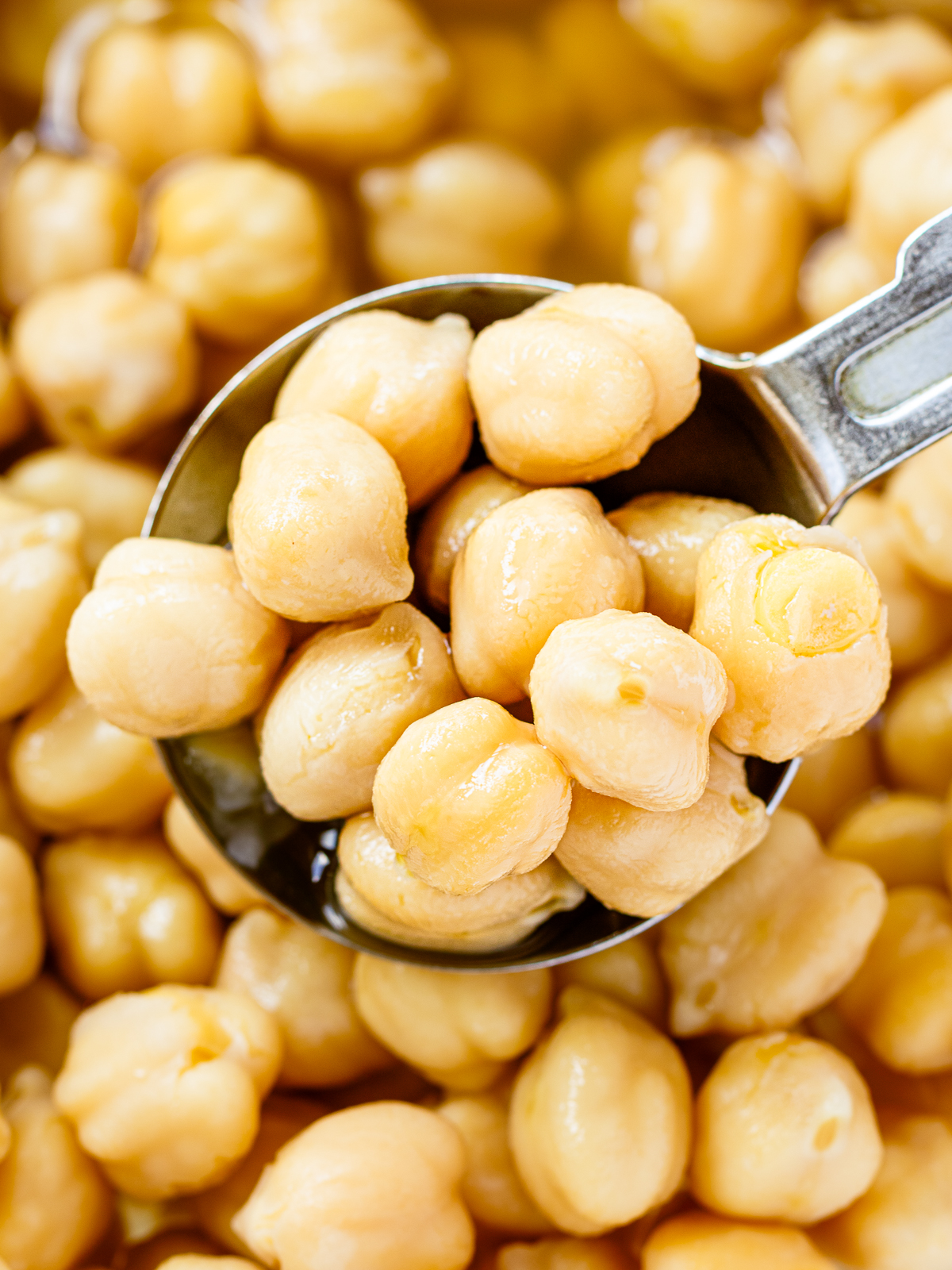
Wondering how to cook dried chickpeas at home?
"How do I soak them?"
"How long do I cook them?"
"How do I get them tender all the way through?"
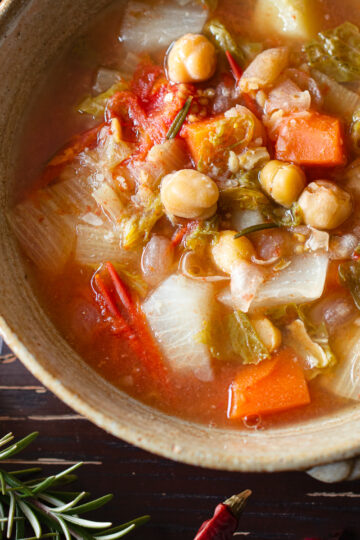
In this post, I'll walk you through the basic method for cooking dried garbanzo beans in a pressure cooker — the way I make them at home for my vegan cooking, including tahini-free homemade hummus, chickpea Italian tomato soup, vegan tuna mayo and more.
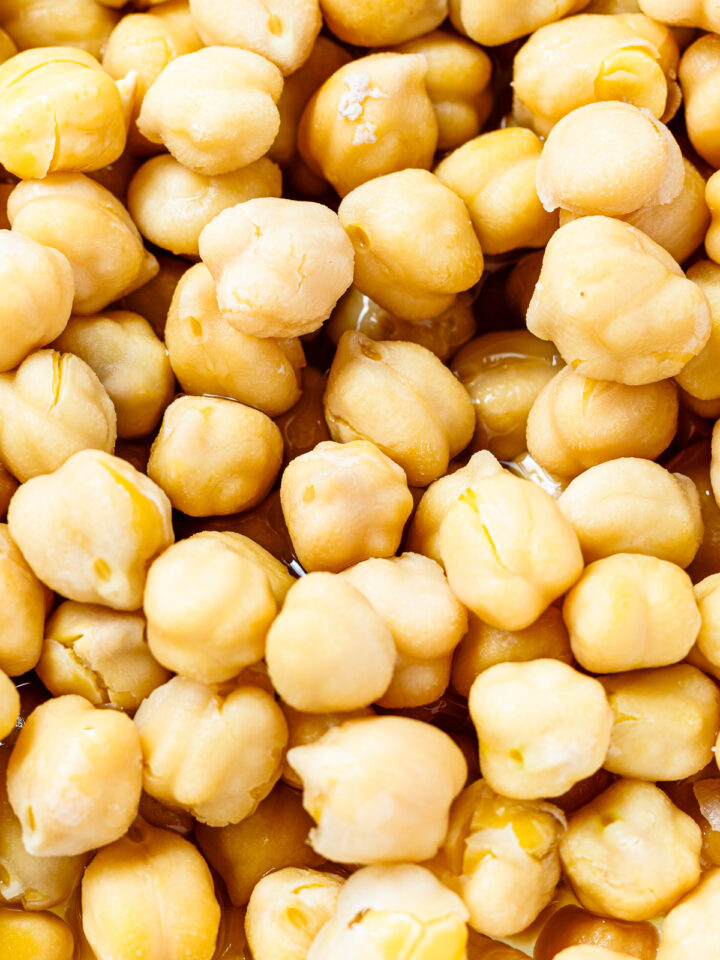
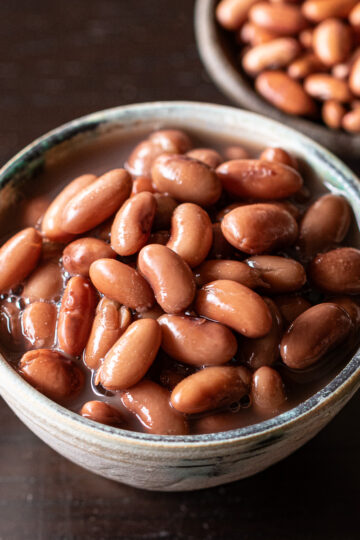
Once you've got this down, you can apply the same method to other dried beans like kidney beans or pinto beans too — learn it once, use it forever 🌏🌿
Jump to:
☀️ Ingredients
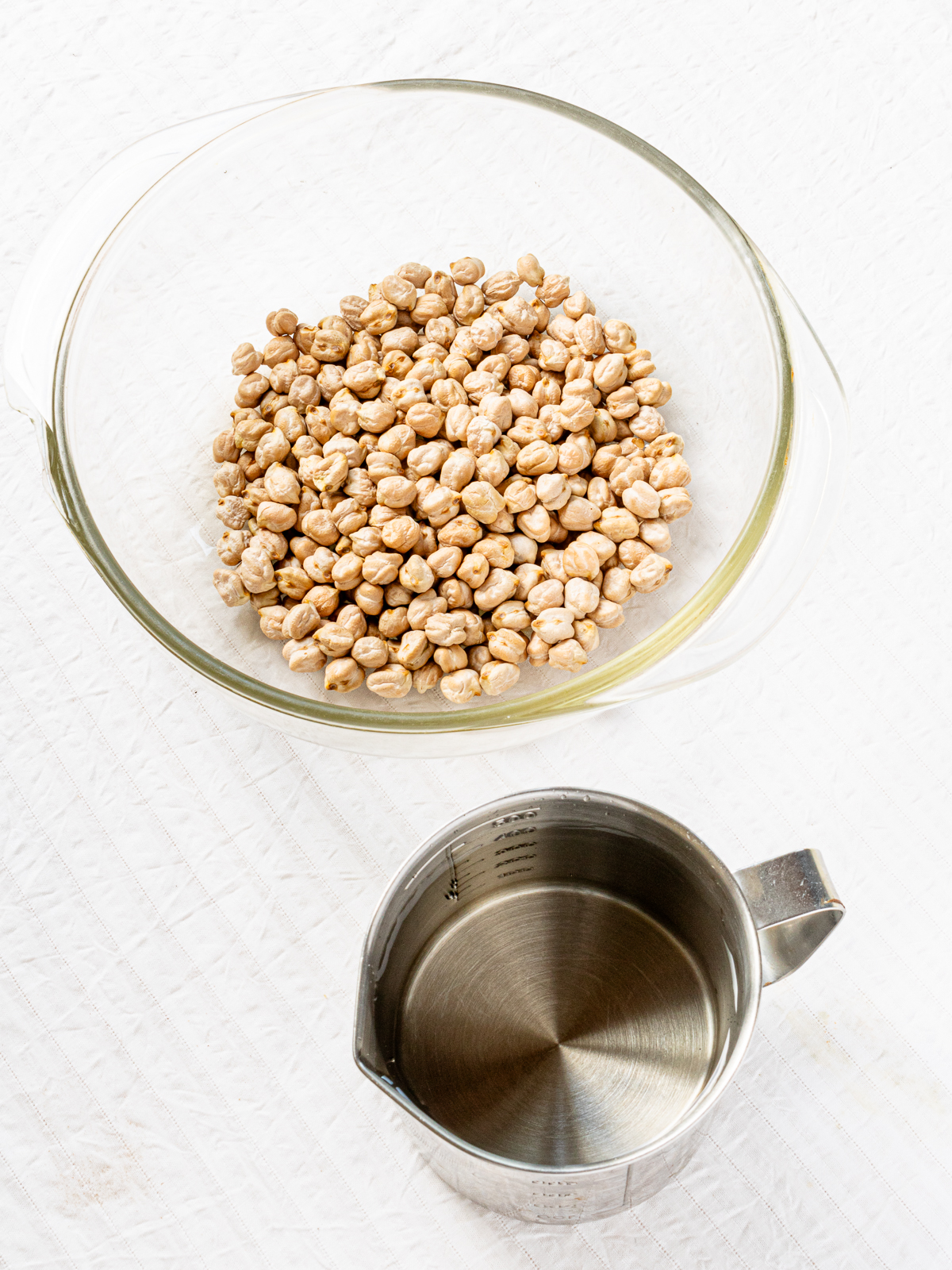
- Dried chickpeas (garbanzo beans)
- Water
💡 The soaking times and pressure cooking times in this recipe are based on large dried chickpeas (approx. 1 cm). If your chickpeas are smaller or fresher, you may need less time for both soaking and cooking.
🥣 Equipment Needed
- Mixing bowl
- Colander / strainer
- Pressure cooker ( I use a Pearl Metal pressure cooker with both low and high pressure settings)
- Storage container
🐔 How to Cook Dried Chickpeas — Step by Step
Here's how to cook dried chickpeas from scratch — an overnight soak followed by pressure cooking.
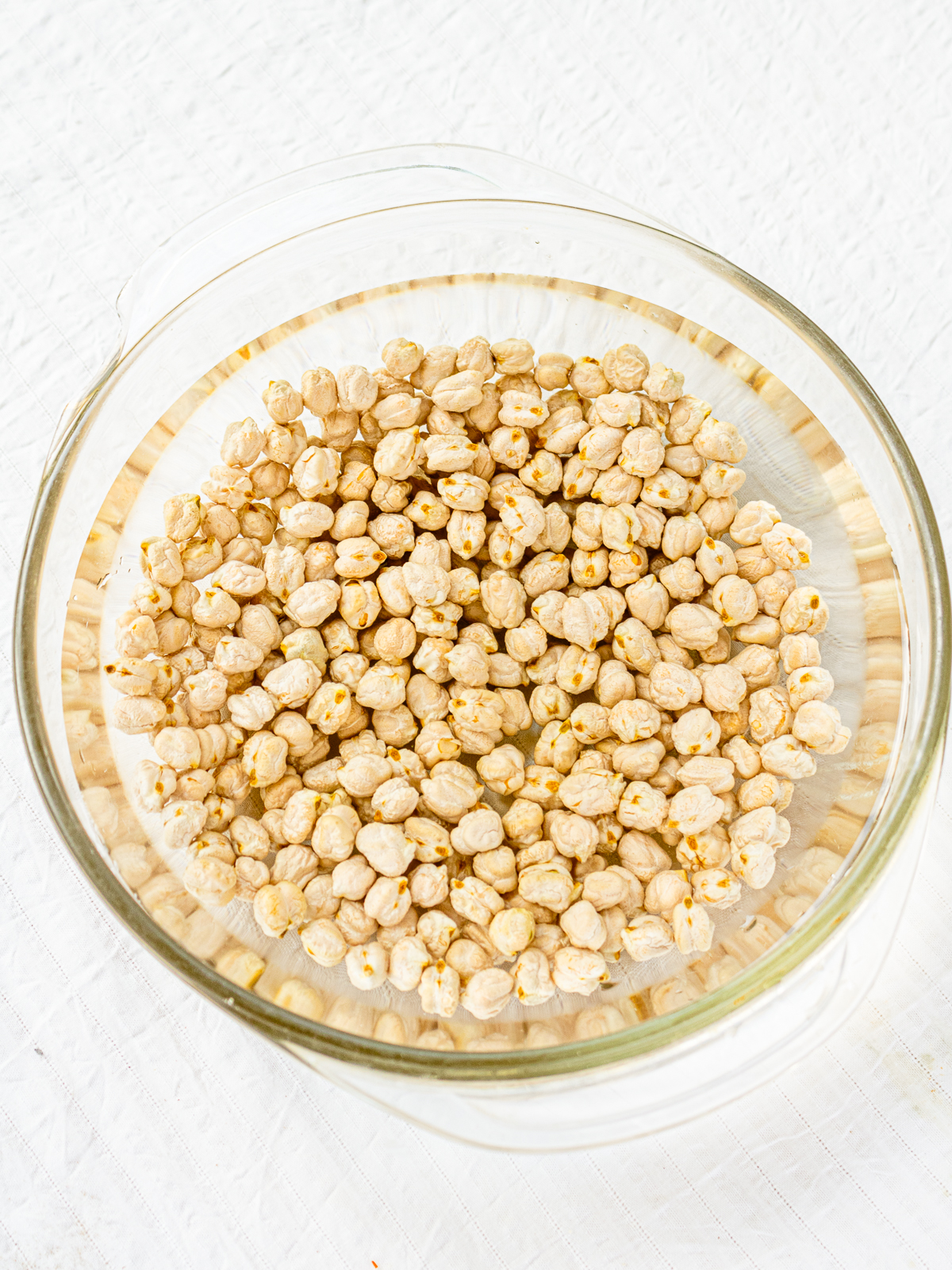
- Soak the Chickpeas
- Rinse dried chickpeas thoroughly under running water.
- Submerge in about 4× their volume of water and let them soak for at least 8 hours (overnight).
💡 In summer, water can spoil quickly — it's best to soak chickpeas in the refrigerator.
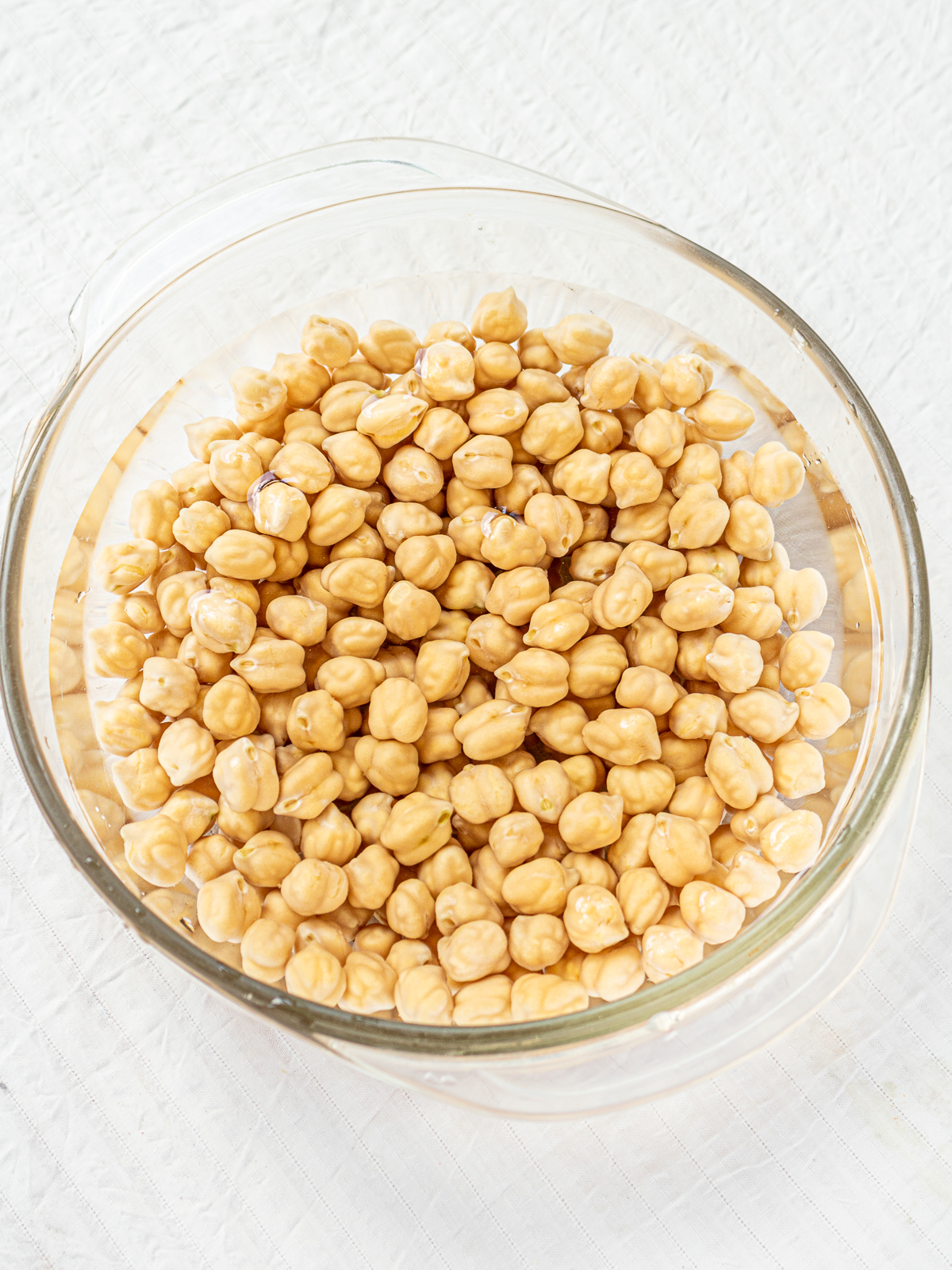
- Drain the Water
- Once the chickpeas have plumped up nicely, drain them through a colander and discard the soaking water.
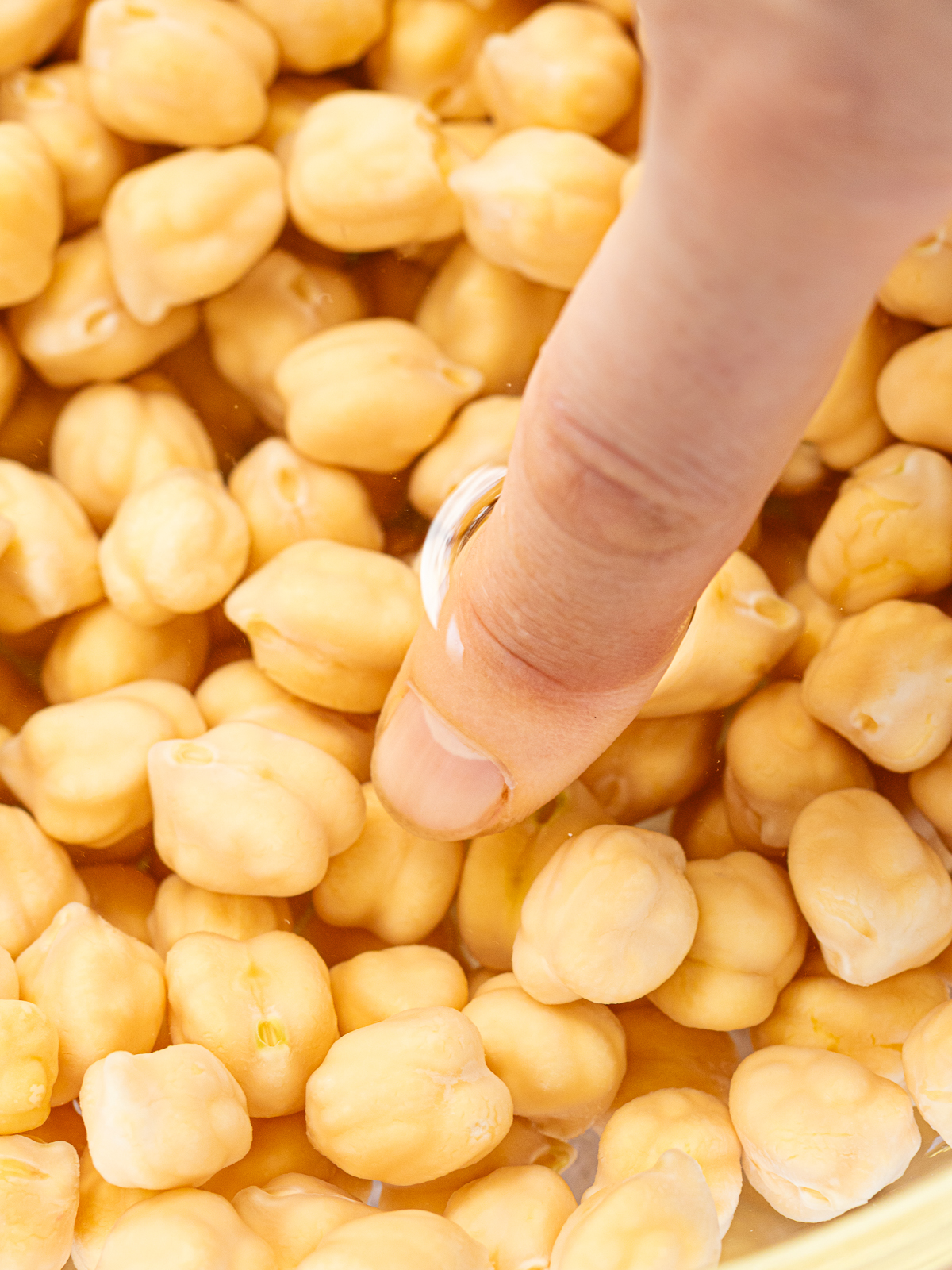
- Cook Chickpeas in the Pressure Cooker
- Add the soaked, drained chickpeas in the pressure cooker.
- Place your index finger on top of the beans and add water until it reaches just above your first knuckle.
- Close the lid and cook over high heat.
- Once pressure is reached, reduce to low heat and cook for 15–20 minutes (see the pressure time guide below).
- Turn off the heat and let the pressure release naturally.
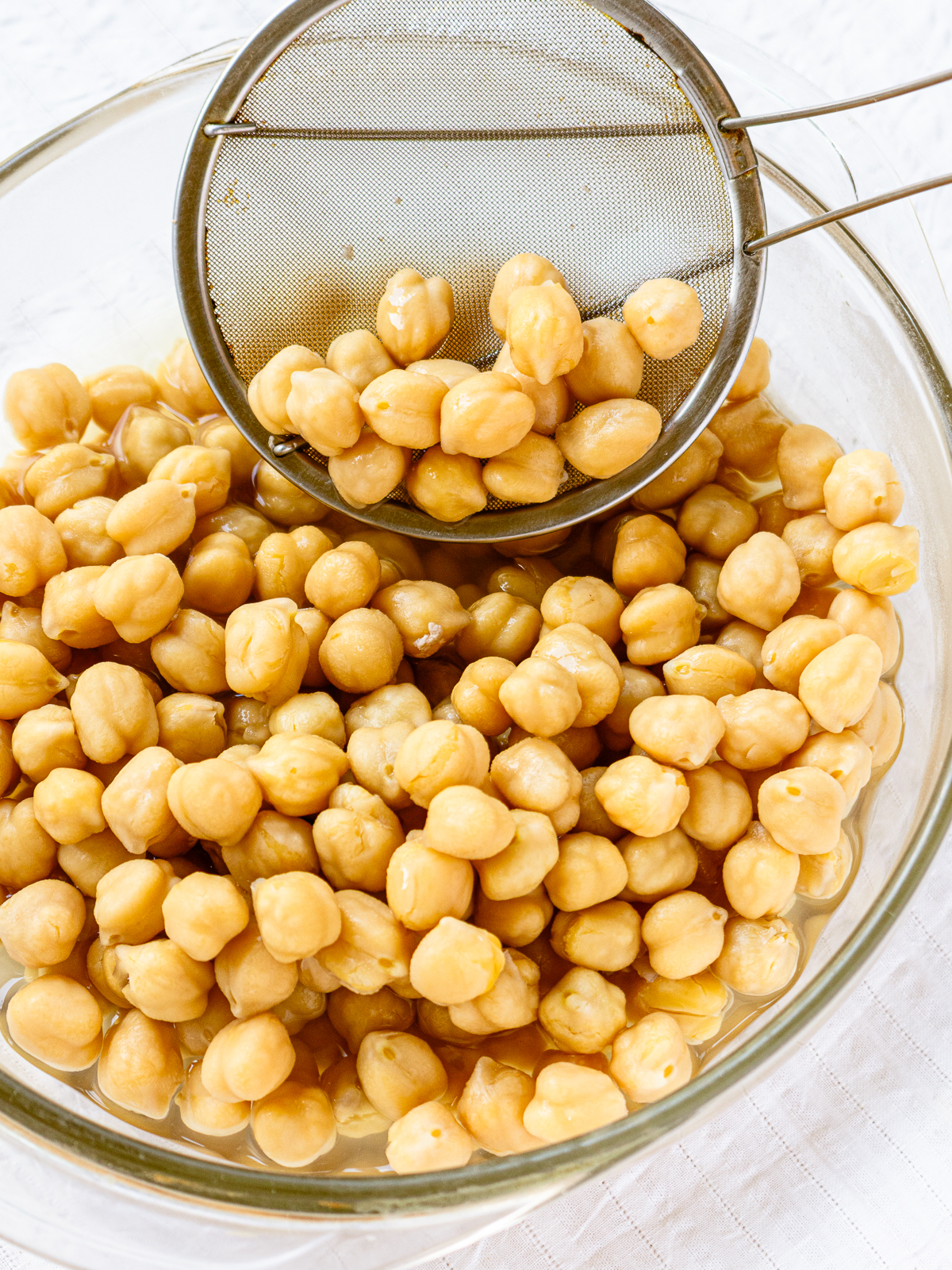
- Check & Store
- Once pressure has dropped, open the lid and check the texture of the beans.
- If they're still firm, close the lid again and let residual heat continue cooking them.
- Once cooled, transfer to a storage container along with the cooking liquid and refrigerate.
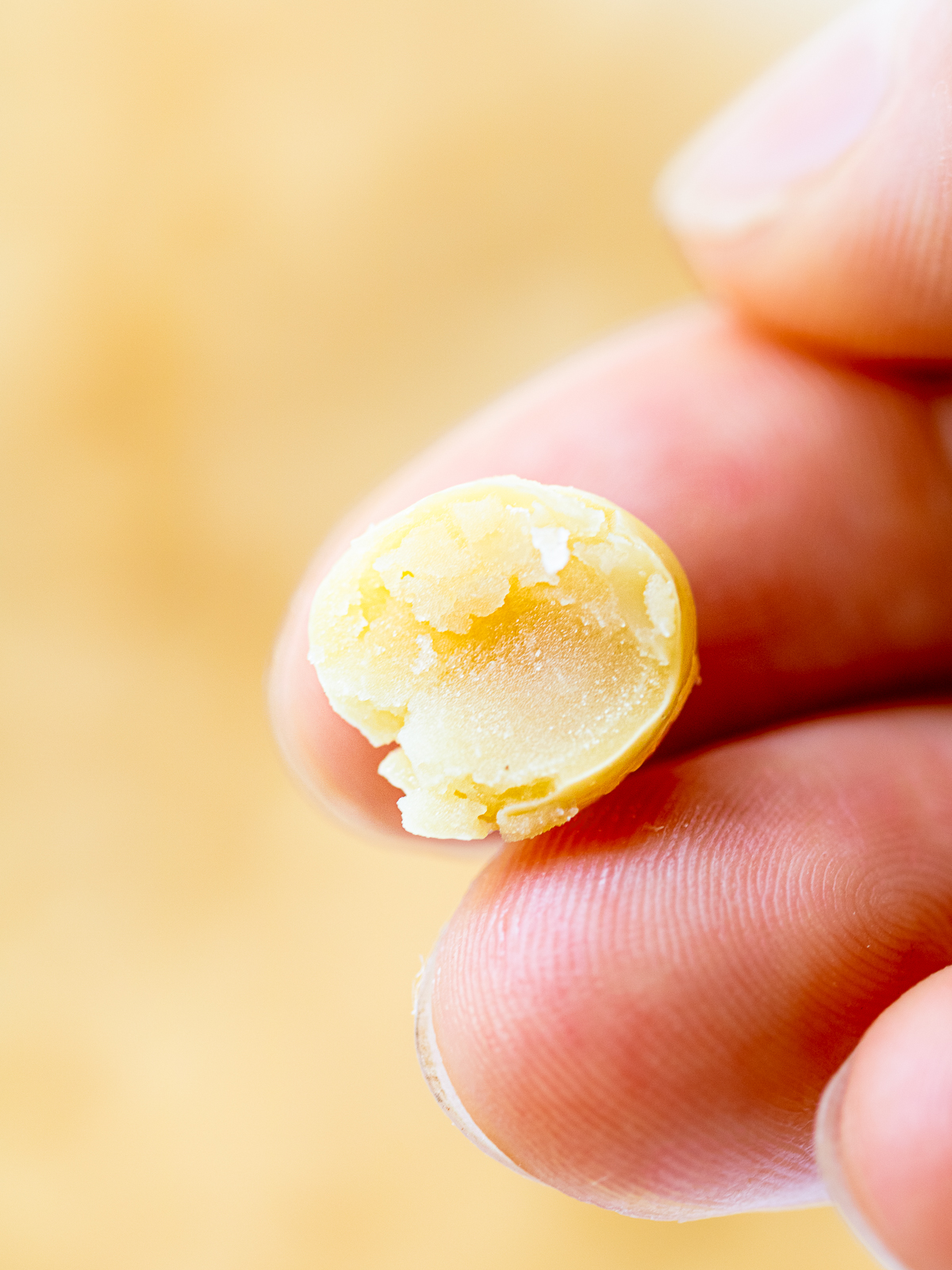
🐣 How to Tell When Chickpeas Are Done
Pick a few and taste — if they're soft and tender with no raw, gritty texture, they're ready.
If they're noticeably undercooked, pressure cook them again. If just slightly firm in the center, close the lid and let them steam in residual heat, or finish cooking without pressure until they reach your desired texture.
⏳ Soaking Time Guide
It's generally said that chickpeas need at least 6 hours of soaking, but I prefer 8–12 hours for the best results.
I once tried cooking them after only 4 hours — the centers remaind crunchy and the texture was uneven.
For consistently tender results, soak for at least 6 hours, ideally 8–12.
For extra-soft chickpeas or hummus, I like to go up to 24 hours — just make sure to soak in the refrigerator, especially in summer.
💡 Fresher or smaller chickpeas may need less soaking time for even cooking.
♨️ Pressure Cooking Time Guide
Standard cooking time (after 8–12 hours soaking):
| Pressure Setting | Cooking Time |
|---|---|
| Low pressure | 20 minutes |
| High pressure | 15 minutes |
After extended soaking (approx. 24 hours):
| Pressure Setting | Cooking Time |
|---|---|
| High pressure | ~10 minutes |
The ideal time will vary depending on:
- Freshness of the beans (fresher = shorter time)
- Size of the beans (smaller = shorter time)
- Soaking time (longer soak = shorter cook)
- Your pressure cooker model
It may take a couple of tries to find the sweet spot for your beans and cooker. That's totally normal!
⏱️ Short on Time? Try Chana Dal (Split Chickpeas)
When you don't have time to soak dried chickpeas overnight, chana dal (split, hulled chickpeas) is a great shortcut.
Chana dal requires a much shorter soak, cooks quickly even without a pressure cooker, and works well in soups, curries, and stir-fries.
The texture is different from whole chickpeas — less hearty and substantial — but perfectly satisfying for everyday cooking.
I personally use:
- Dried whole chickpeas when I have time
- Chana dal when I need something quick
Pressure cooking chana dal:
- Soaking time: 30 minutes to 1 hour
- Cooking time: 6–8 minutes under pressure
Adjust the water and time to your preference.
Once you get the hang of it, chana dal becomes a surprisingly versatile ingredient — here are some of my favorite ways to use it.
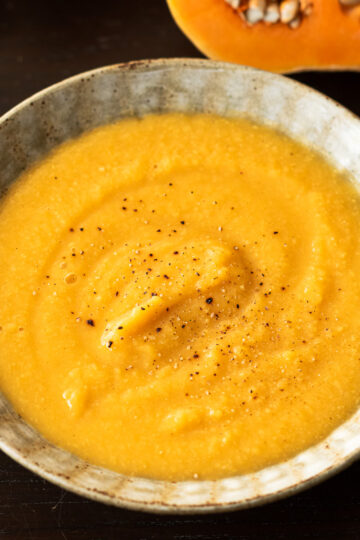
▼ Vegan Recipe Using Chana Dal:
🫙 Storage
- Refrigerator: Store in a container with the cooking liquid and use within 3 days.
- Freezer: Drain the cooking liquid, then freeze in a freezer bag or wrap in plastic. The cooking liquid can be frozen separately — it's useful for soups and hummus later. Use within 2–3 weeks.
🌳 FAQ
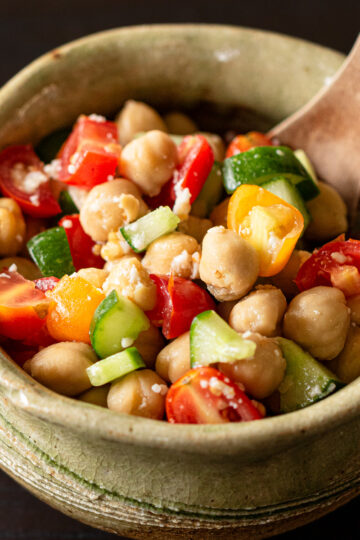
I like to use them for hummus, vegan tuna mayo, vegan pork & beans and Italian-style chickpea tomato soup. They're also great as a pasta topping, or mashed and stir-fried with garlic chives, or tossed into a simple salad.
Some recipes keep it, some don't — the argument for keeping it is that nutrients leach into the water. I always pour it out, though.
My reasons: after 12 hours the water has gone stale, and discarding it helps reset the slightly bean-y smell.
In summer, I once left chickpeas soaking at room temperature for about 12 hours. They turned bad and started to ferment. Soaking water is perishable — always soak in the refrigerator, especially in warm weather.
For refrigerator storage, yes — I store them in the cooking liquid and use it in recipes.
For the freezer, I drain it first — since defrosting extra liquid is inconvenient when I just need beans for a salad or hummus. If I'm making soup, though, freezing them together with the liquid makes things even easier.
🏡 Using Cooked Chickpeas
More vegan recipes with chickpeas:

🚲 Seasonal Recipes
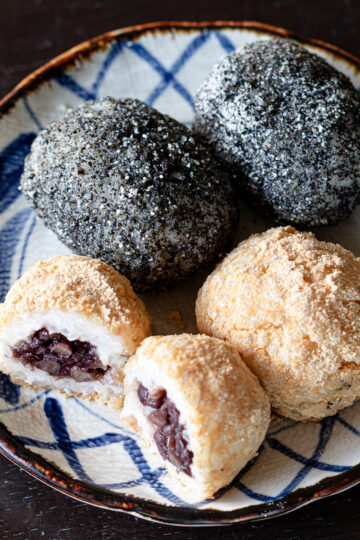
Latest vegan recipes :

If you feel like whispering a thought, asking a question, or simply saying hello — the comment section is always open 📮
📖 Recipe Card
How to Cook Dried Chickpeas (Garbanzo Beans)
Equipment
- Mixing bowl
- colander
- pressure cooker
- Storage container
Ingredients
- 200 g dried chickpeas
- 800 ml water (for soaking — approx. 4× the volume of the beans)
- water (as needed for cooking)
Instructions
- Soak the chickpeas: Rinse the dried chickpeas thoroughly. Submerge in 4× their volume of water and soak for at least 8 hours (overnight). In summer, always soak in the refrigerator.200 g dried chickpeas800 ml water
- Drain: Transfer the soaked chickpeas to a colander and drain well.
- Add water: Place the chickpeas in the pressure cooker. Using your index finger as a guide, add water until the water level reaches just above your first knuckle.water
- Pressure cook: Heat over high heat. Once pressure is reached, reduce to low and cook for 15–20 minutes.
- Check and store: Once pressure has dropped, open the lid and check the texture. If they are still firm, close the lid and let residual heat finish cooking. Once cooled, transfer to a storage container with the cooking liquid and refrigerate.
Once you know how to cook dried chickpeas, the same approach works for:
- Kidney beans (coming soon)
- Pinto beans (coming soon)
- Soybeans (coming soon)
- Mung beans (coming soon)
All can be cooked in a pressure cooker with great results. A kitchen stocked with dried beans is more versatile — and less complicated — than it sounds. 🕊️


If this recipe made its way into your kitchen, and you'd like to share that moment, feel free to tag @veginveganvegun or use #vegin_vegan_vegun.
Your quiet stories inspire me deeply 🕊️
Vegin Vegan Vegun! says
質問やコメントお待ちしています♪