
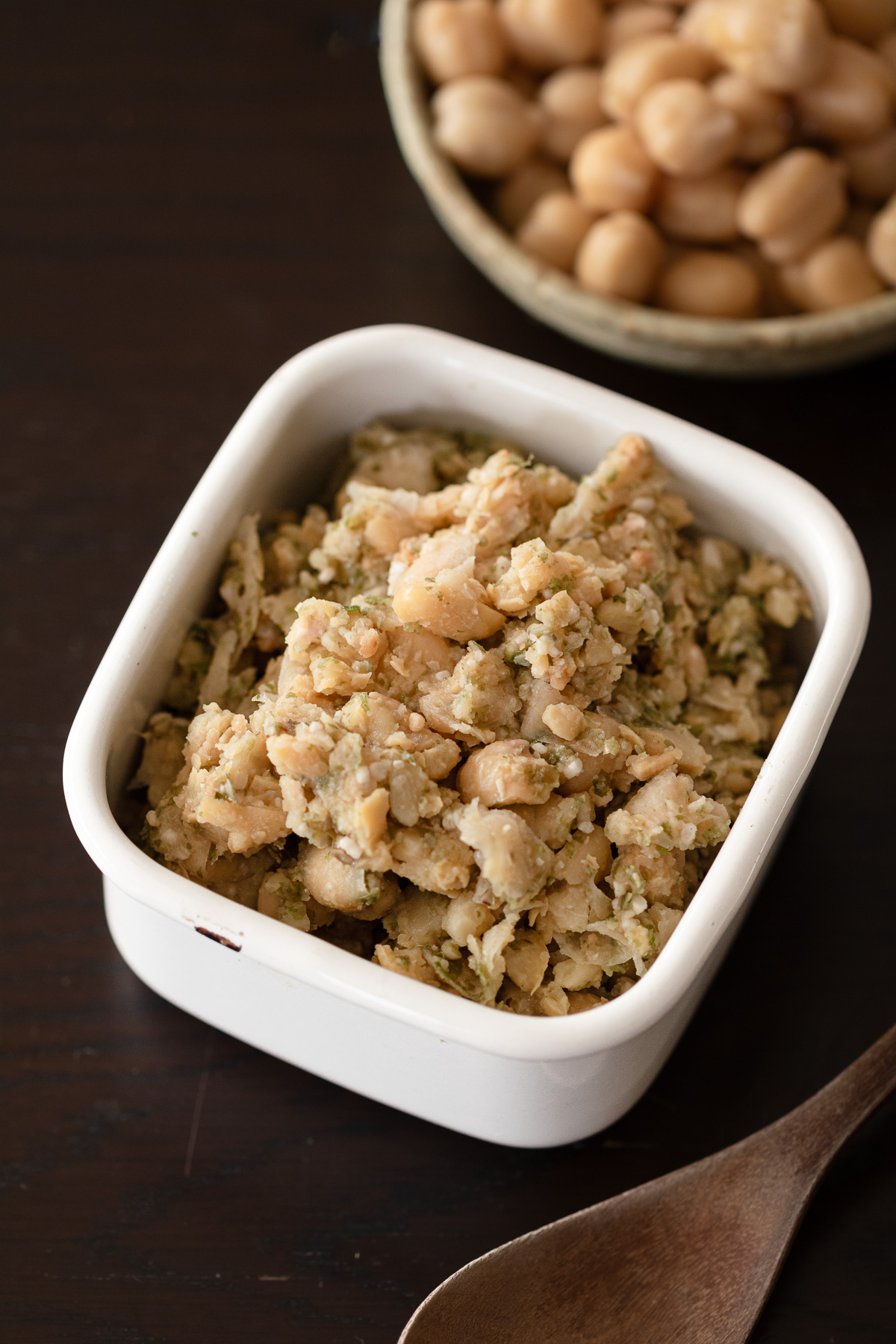
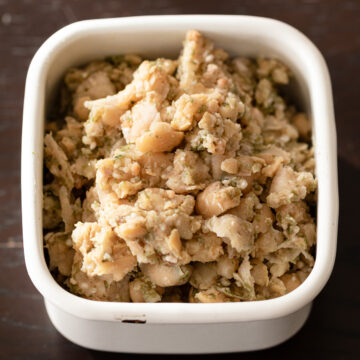
Enjoy a light, flavorful vegan chickpea tuna mayo.
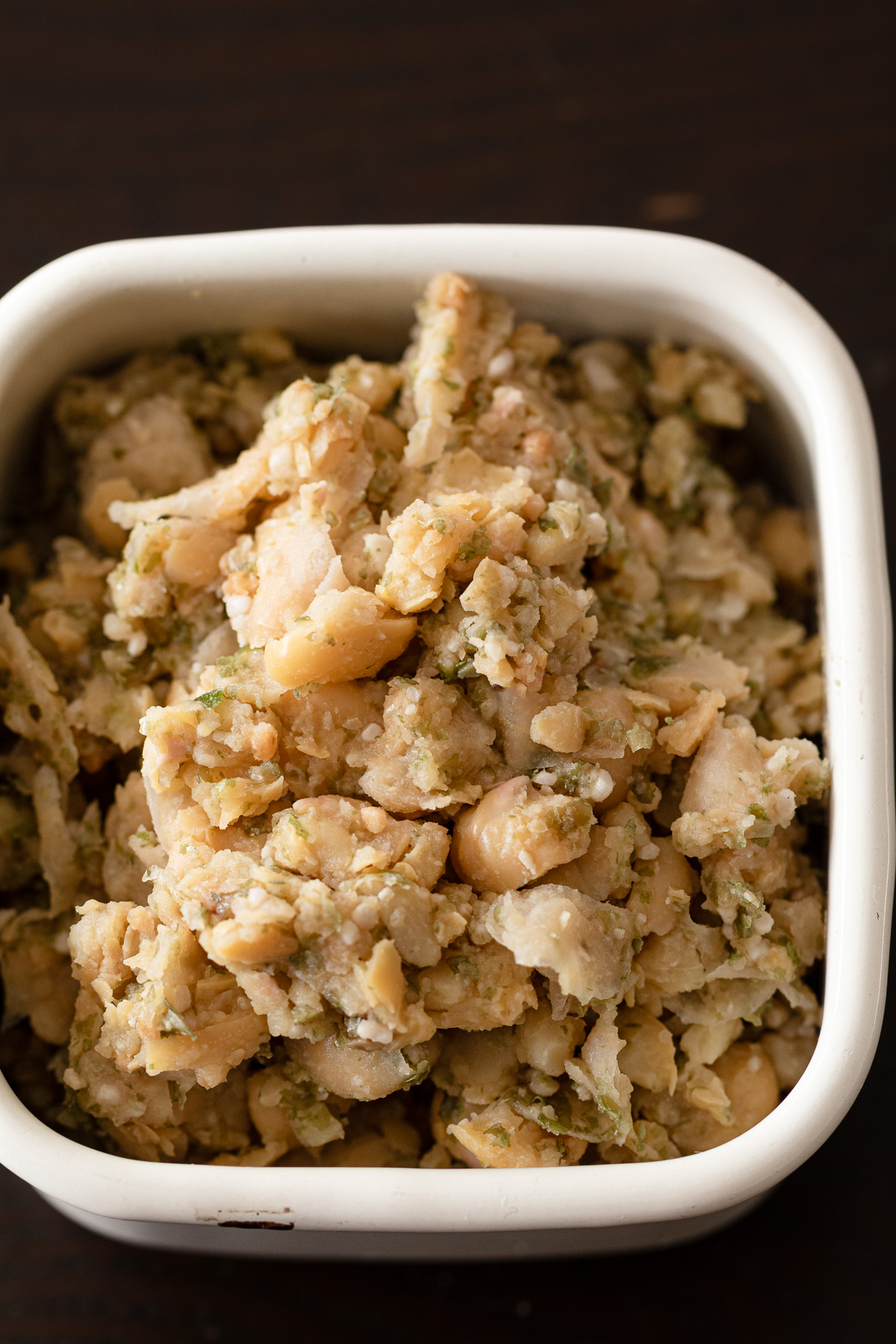
This Japanese-style vegan tuna mayo mixes chickpeas with onion koji, a traditional fermented seasoning, for a rich umami taste without any mayonnaise.
Perfect as a vegan tuna salad for sandwiches, or as a filling for onigiri and sushi rolls — simple, plant-based, and full of flavor.
Jump to:
🌿 What Is Japanese-Style Tuna Mayo?
In Japan, tuna mayo isn’t just for sandwiches. You’ll see it in onigiri, hand-rolled sushi, and nori rolls, too. It’s something many of us grew up with — simple, comforting, and part of everyday life.
For this vegan version, I make it especially to go well with rice.
Onion koji, a traditional Japanese fermented seasoning, adds gentle umami, balanced saltiness, and a mild onion sharpness — the little secret that makes it taste just right with rice.
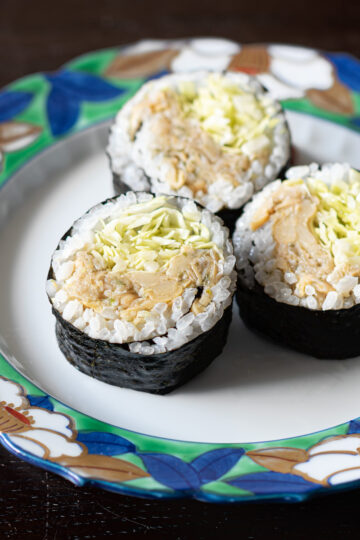
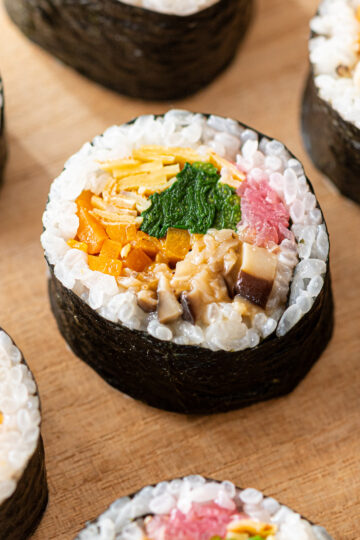
When I make nori rolls, I always add shredded cabbage along with the tuna mayo. I’ve tried other veggies, but somehow cabbage always feels like the best match. You can find the full method in my vegan tuna mayo nori roll recipe, with tips for making neat, beautiful rolls.
Another favorite way to enjoy it is wrapped in a thin vegan omelet. It’s a plant-based version of my mother’s recipe — the one she used to make for school trips and picnics. Even now, it brings back memories of bright spring days and warm sunshine 🌸🍃
🌿 See 📘 Ways to Enjoy for more ideas using this vegan tuna mayo.
🧺 Why You’ll Love This Recipe
- Easy & Quick: Just mix the ingredients and it’s ready to use.
- Plant-Based: Completely vegan, with no animal products and no vegan mayonnaise.
- Rich in Umami: Onion koji naturally deepens the flavor.
- Healthy: Minimal olive oil keeps it light while still satisfying.
- Versatile: Perfect as a vegan chickpea tuna spread or a filling for onigiri and sushi rolls.
🪺 Ingredients
This recipe uses seven simple ingredients. Once they’re ready, all you need to do is mix everything together.
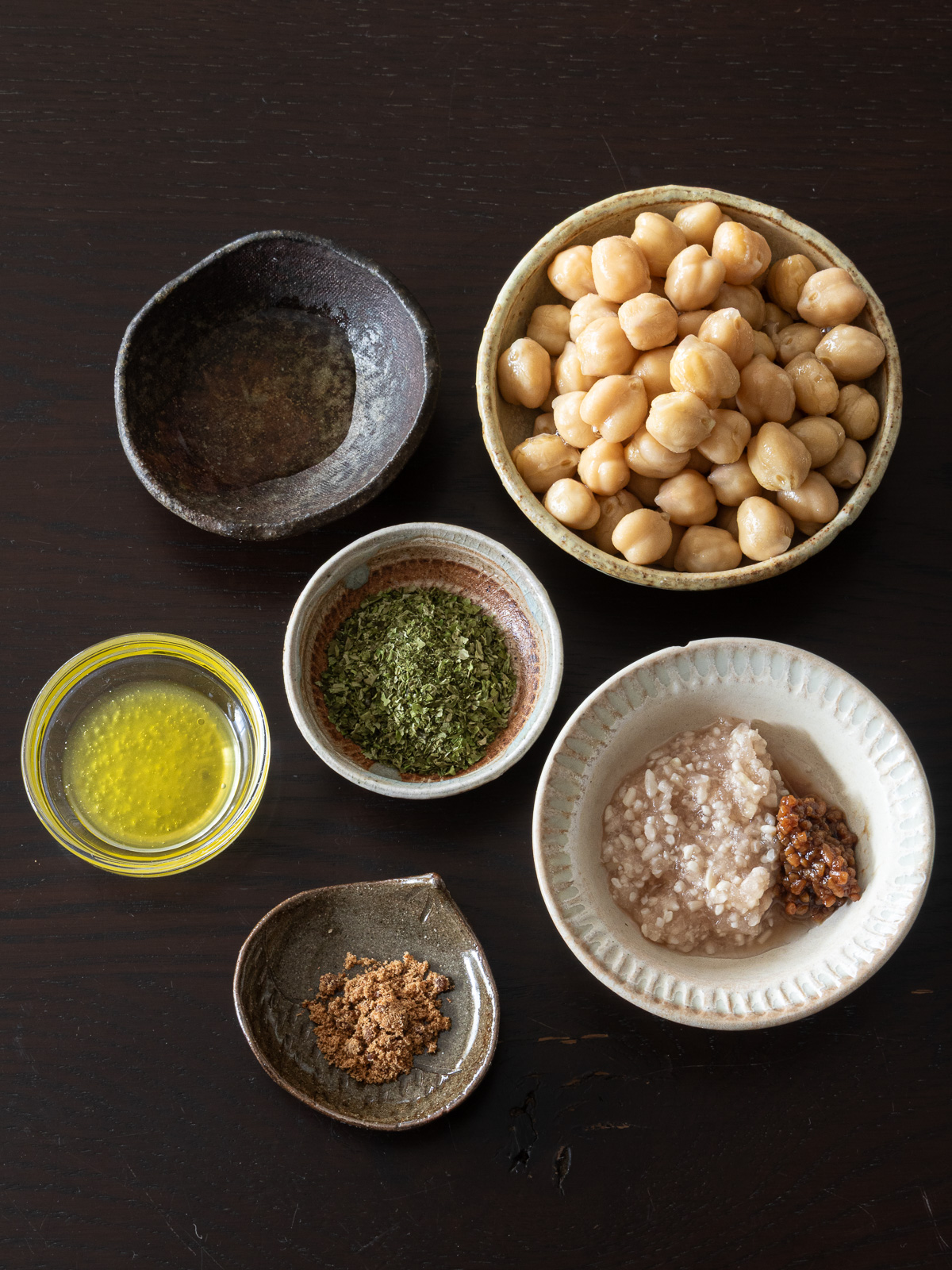
● Cooked Chickpeas: The main ingredient for vegan tuna mayo. Canned or home-cooked chickpeas both work well.
● Onion Koji: The second key ingredient ! (👉recipe)
A natural, umami-rich Japanese seasoning — a gentle alternative to bouillon cubes, without additives or MSG.
Made with just grated onion, koji, and salt, then fermented to develop natural sweetness and depth.
It’s also lovely in soups, curries, pasta, and more(👉check recipes).
● Aonori (dried green seaweed flakes): Adds a gentle ocean aroma and enhances the “tuna mayo” feeling. Those fine green flakes you see on okonomiyaki and takoyaki? That’s aonori.
● Apple Vinegar: Brings mild, refreshing acidity and balances the richness.
● Powdered Kokuto (Okinawan black sugar) – or brown sugar as a substitute: Adds sweetness and depth. I also use it in recipes such as vegan kimchi, vegan lemon curd, and vegan mayonnaise.
The powdered type dissolves easily. Block sugar needs to be crushed first 💥🔨🏋️
● Extra Virgin Olive Oil: Adds a subtle, mayonnaise-like richness.
● Soy Sauce Koji: Used in a small amount to deepen the umami and add a Japanese touch. Homemade or store-bought both work well.
*Soy sauce can be substituted, though the sweetness and complexity will be slightly lighter. If using soy sauce, start with a small amount.
👇 Full measurements are listed in the recipe card at the bottom.
🥣 Tools
No special tools required — just a few simple kitchen basics.
- Colander: For draining chickpeas
- Large Bowl: To mix all ingredients
- Small Bowl: For mixing seasonings
- Masher: To roughly mash the chickpeas
- Spoon: For mixing
- Storage Container: For storing
This recipe makes just enough vegan tuna mayo to fit neatly into a Nodahoro SquareS container.
📖 Instructions
This is a simple hummus-style recipe. Just mix and let the flavors blend.
For best results, prepare it the day before serving so the flavors can settle and deepen 🌊
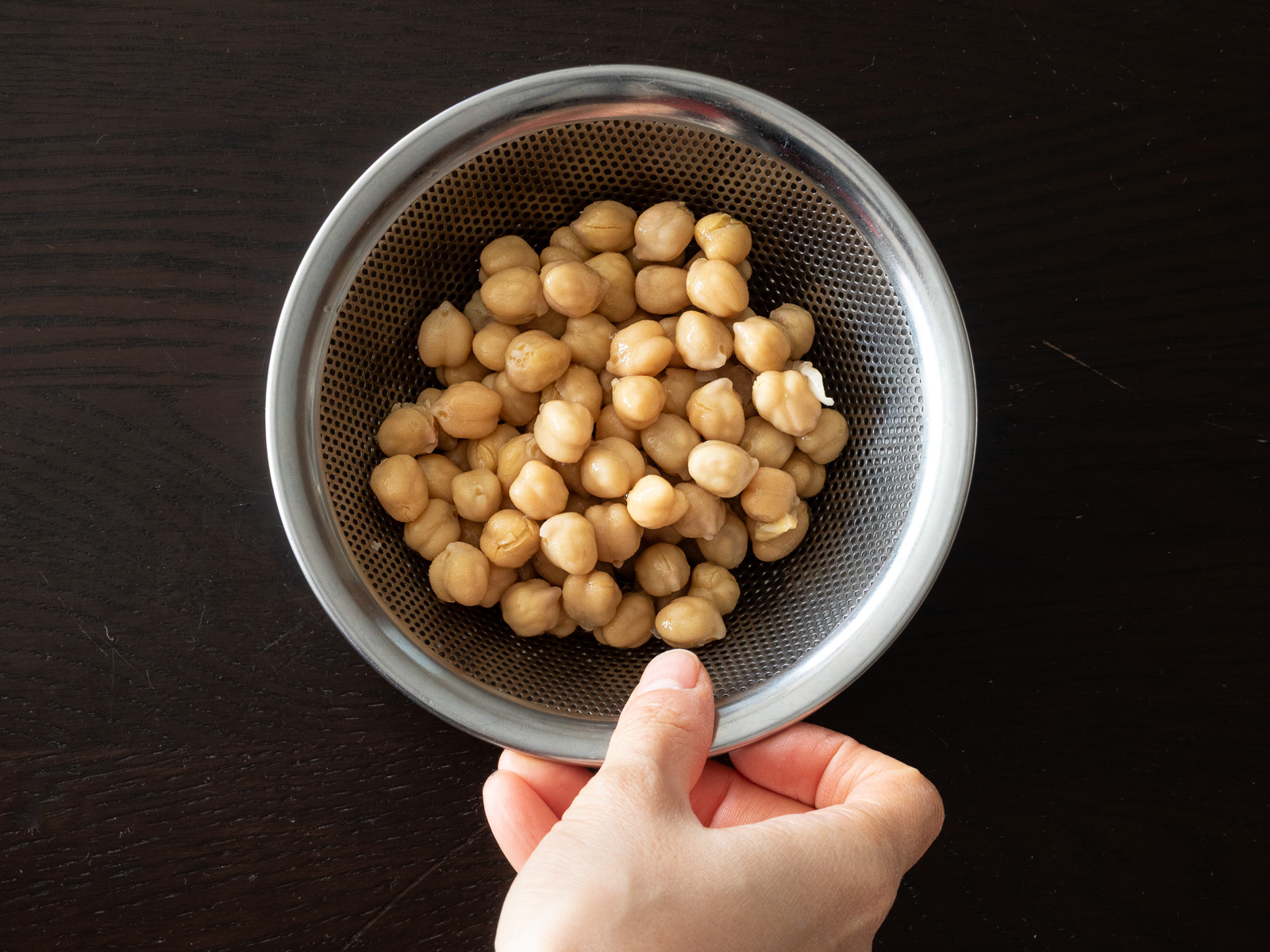
- Drain the chickpeas:
- Pour cooked chickpeas into a colander and drain thoroughly.
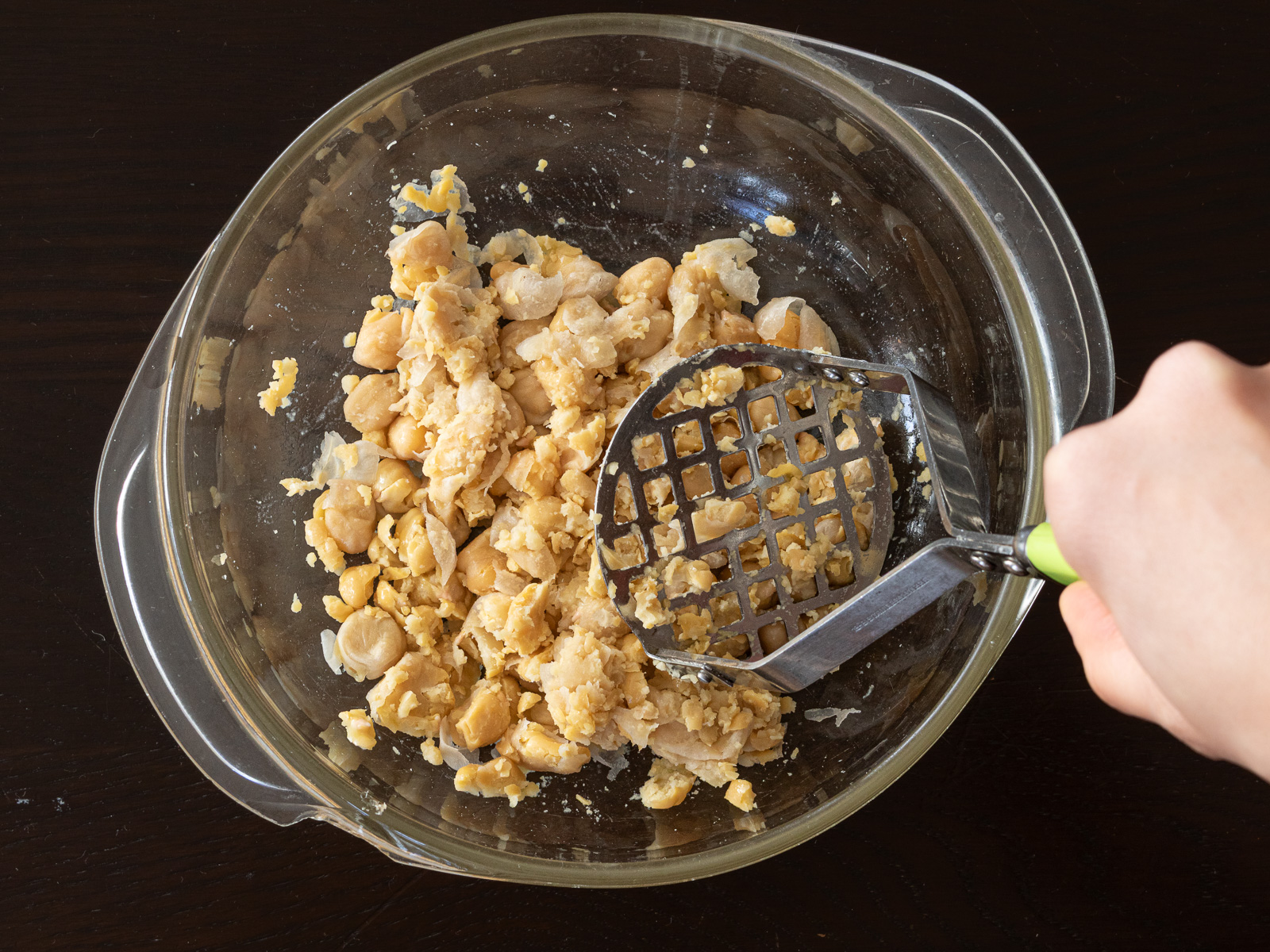
- Mash:
- Place the chickpeas in a bowl and mash, leaving some texture rather than making it completely smooth.
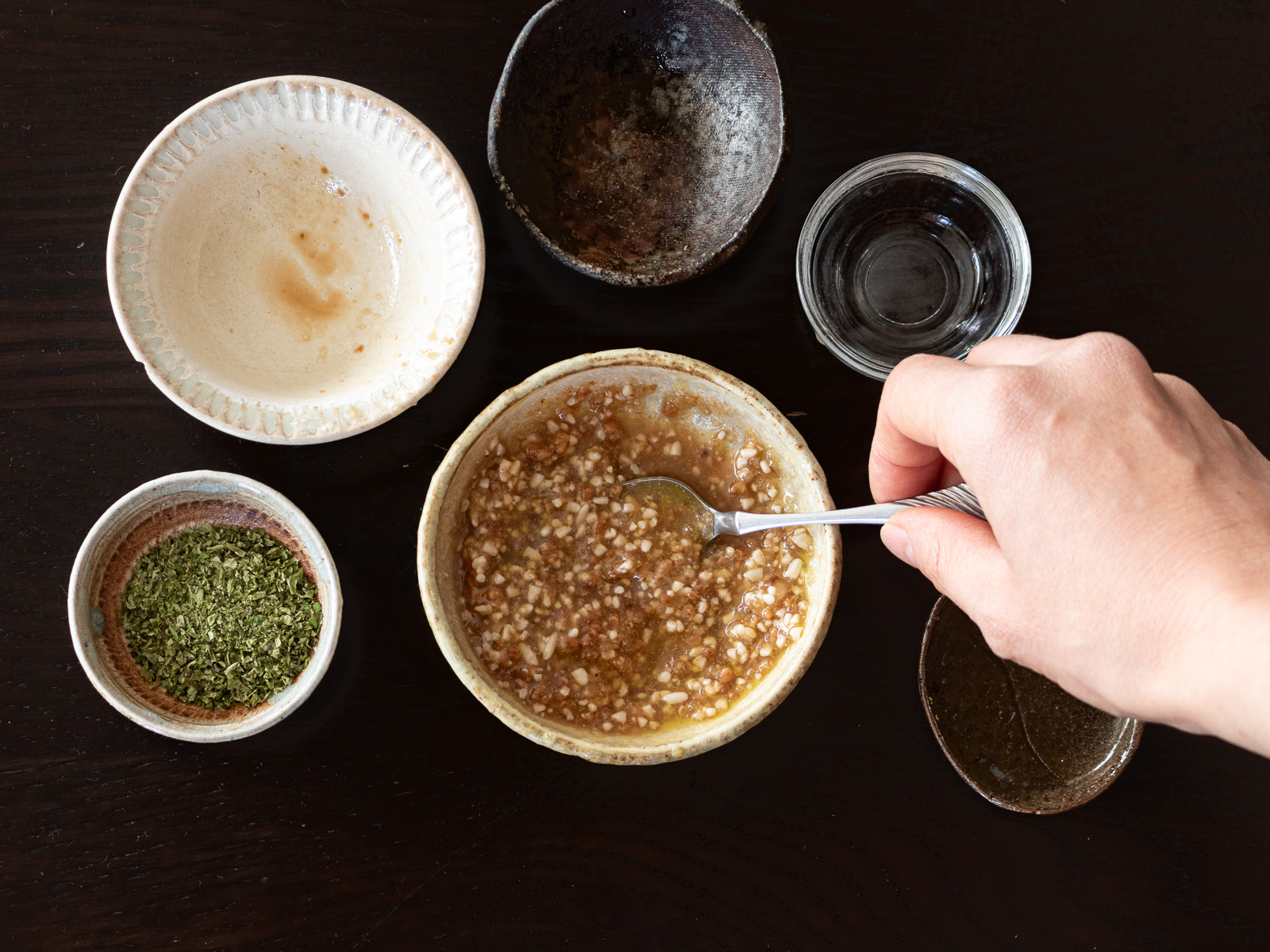
- Mix seasonings:
- In a separate small bowl, combine all seasonings except aonori.
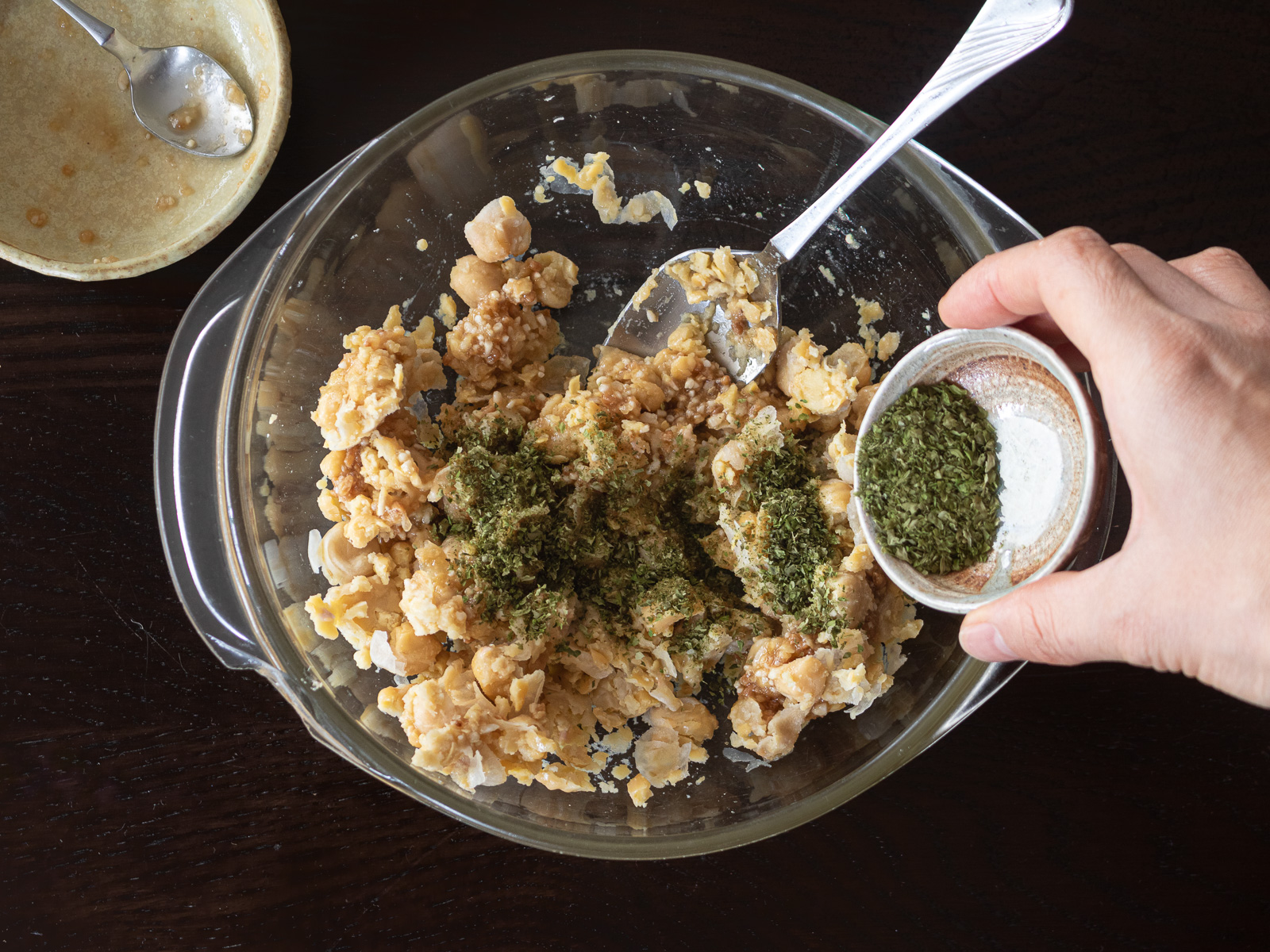
- Season the hummus:
- Add the mixed seasonings to the chickpeas and stir well. Then gradually add aonori to enhance the tuna-mayo flavor.
🌿 Since the aroma of aonori can vary, add it little by little and adjust to taste.
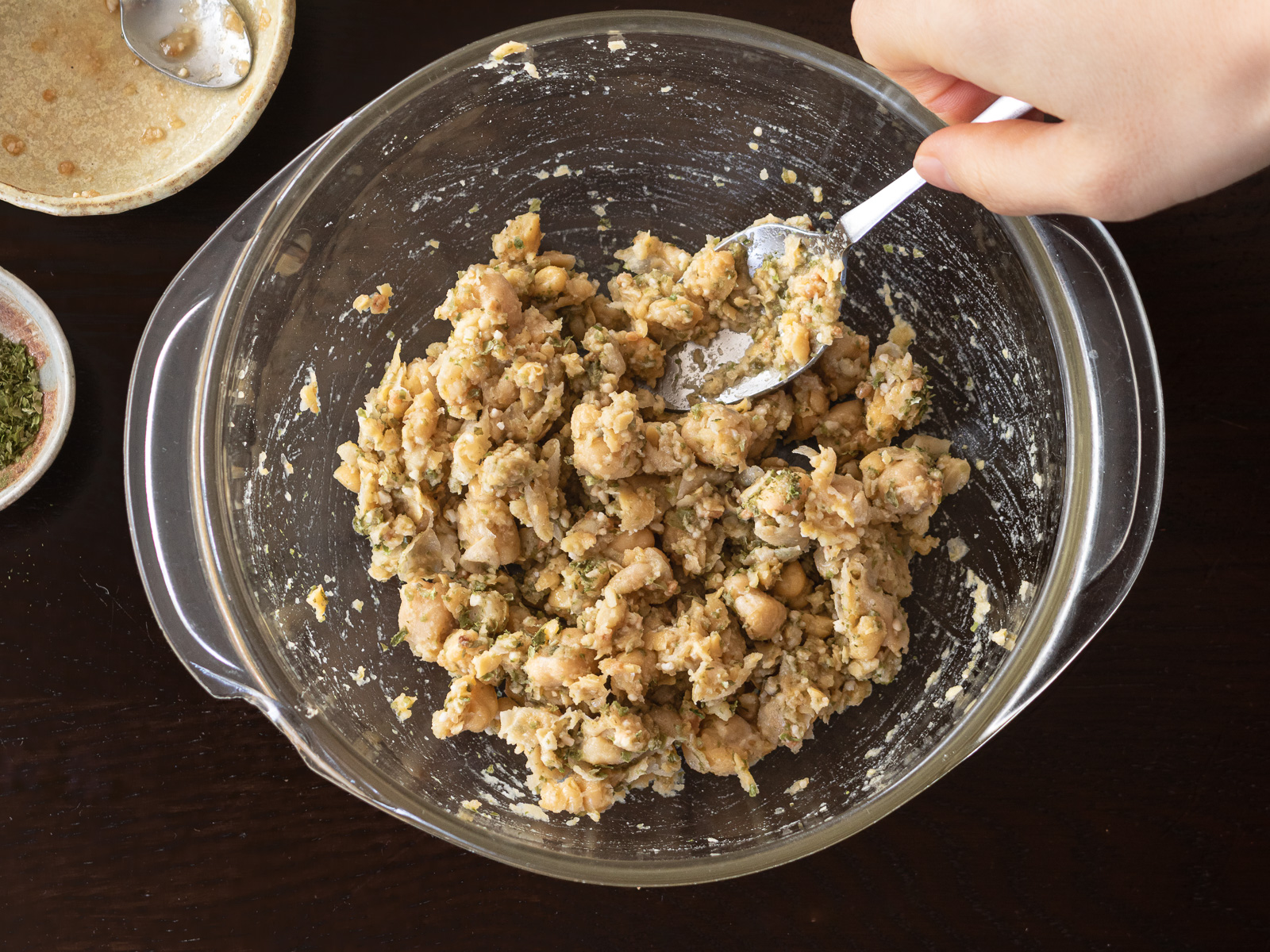
- Adjust flavors:
- Taste and adjust with salt, pepper, soy sauce koji, apple vinegar, or olive oil if needed.
🌿 Flavor Tips:
➤ Richness → Olive oil
➤ Umami / depth → Soy sauce koji, onion koji
➤ Acidity → Apple vinegar

Even if the flavor feels slightly light at first, letting it rest allows the chickpeas and seasonings to meld.
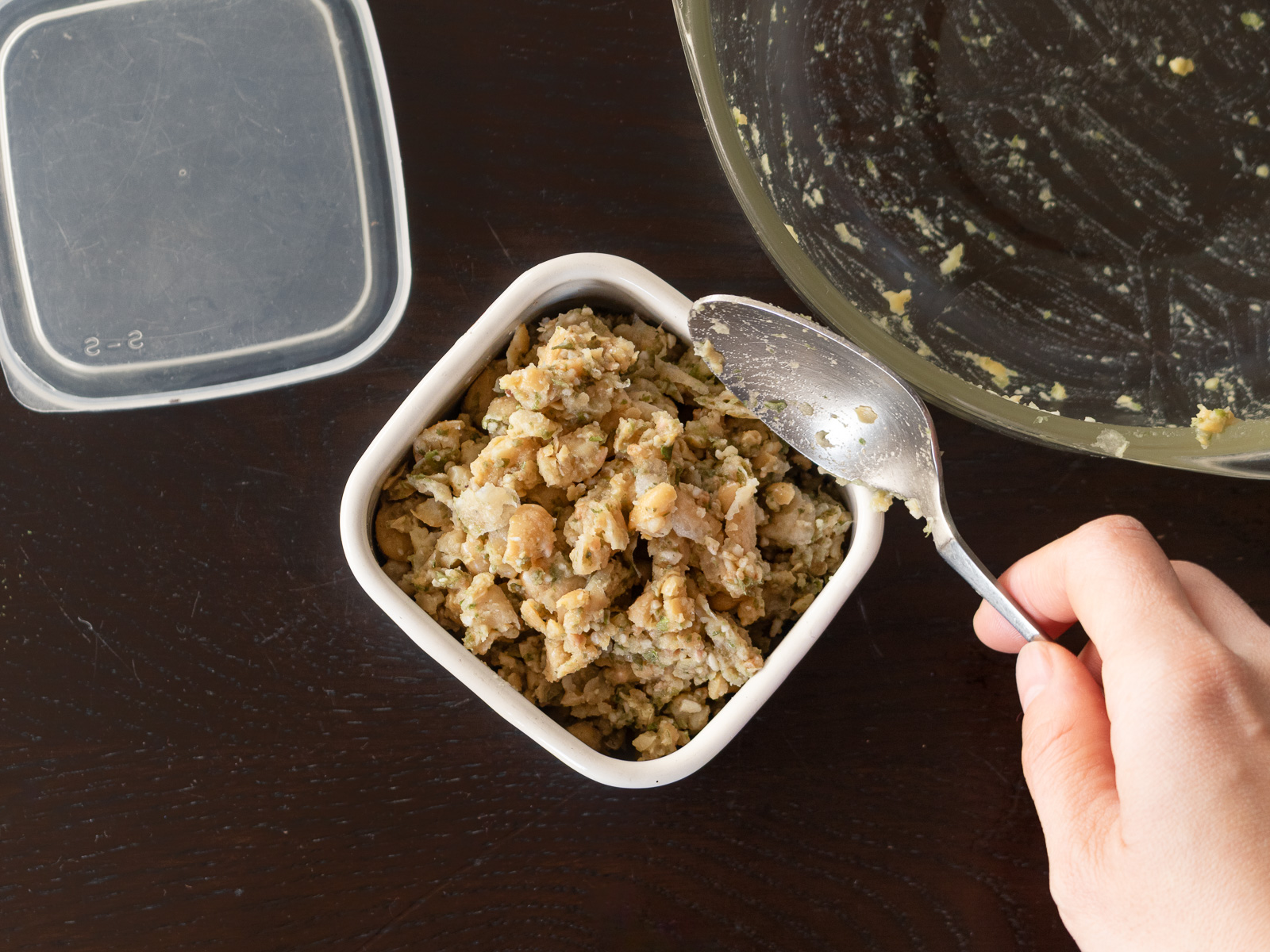
- Let it rest:
- Transfer to a storage container and refrigerate.
- Let it rest for several hours or overnight for the best flavor.
🌿 Resting in the fridge allows the flavors to settle and deepen.
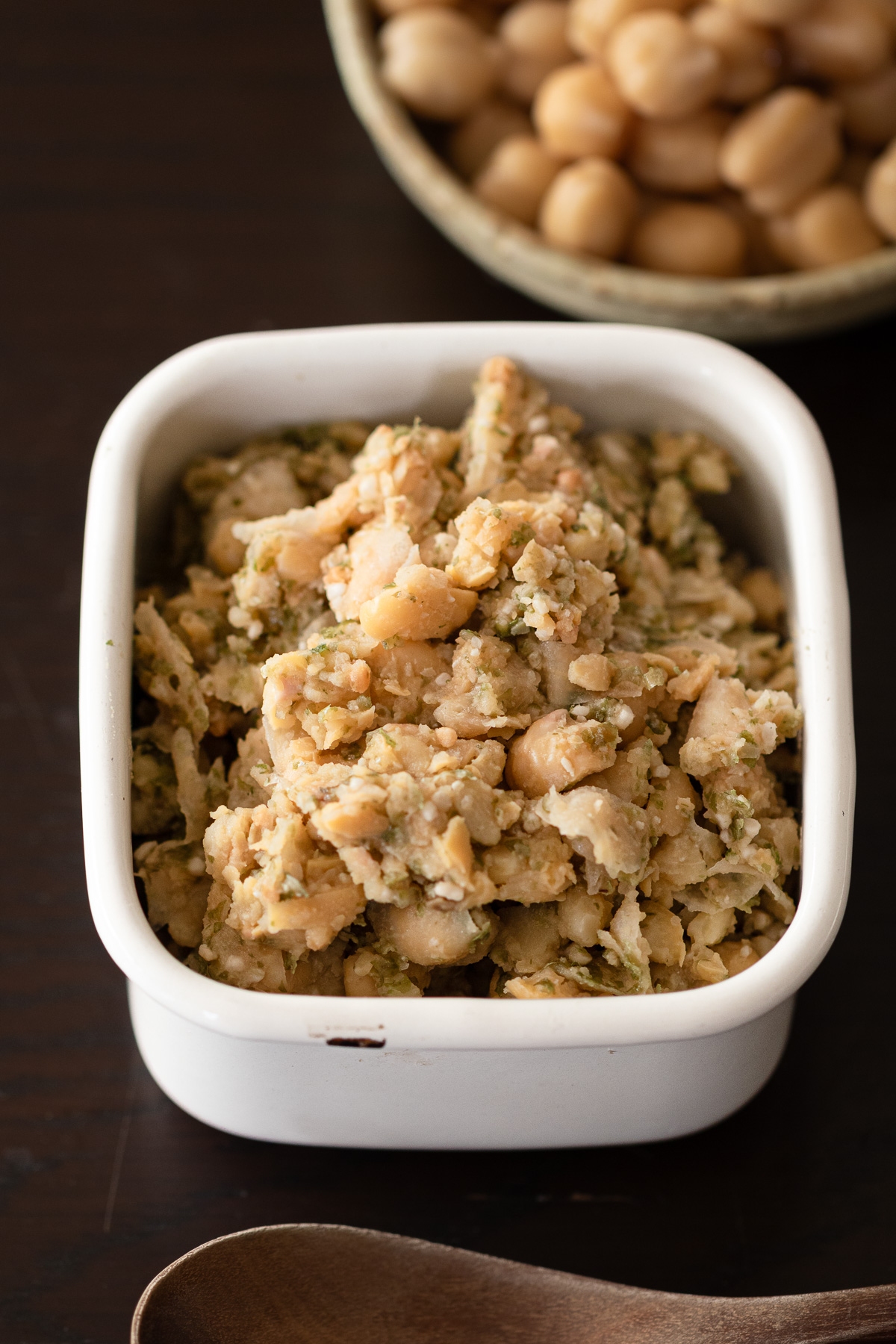
🫙 Storage & Shelf Life
- Store in a clean container in the refrigerator.
- Best enjoyed within 2 days, while the flavor remains fresh.
📘 Kitchen Notes|Ways to Enjoy
Ways to enjoy this Japanese-style vegan chickpea tuna mayo:
- As a filling for rice balls (onigiri)
- As a filling for sushi rolls (Vegan Tuna Mayo Sushi Rolls)
- On chilled Japanese noodles, like udon or Hiyashi chuka/冷やし中華
- As a topping for salads or bento boxes
- As a spread for sandwiches
📚 FAQ
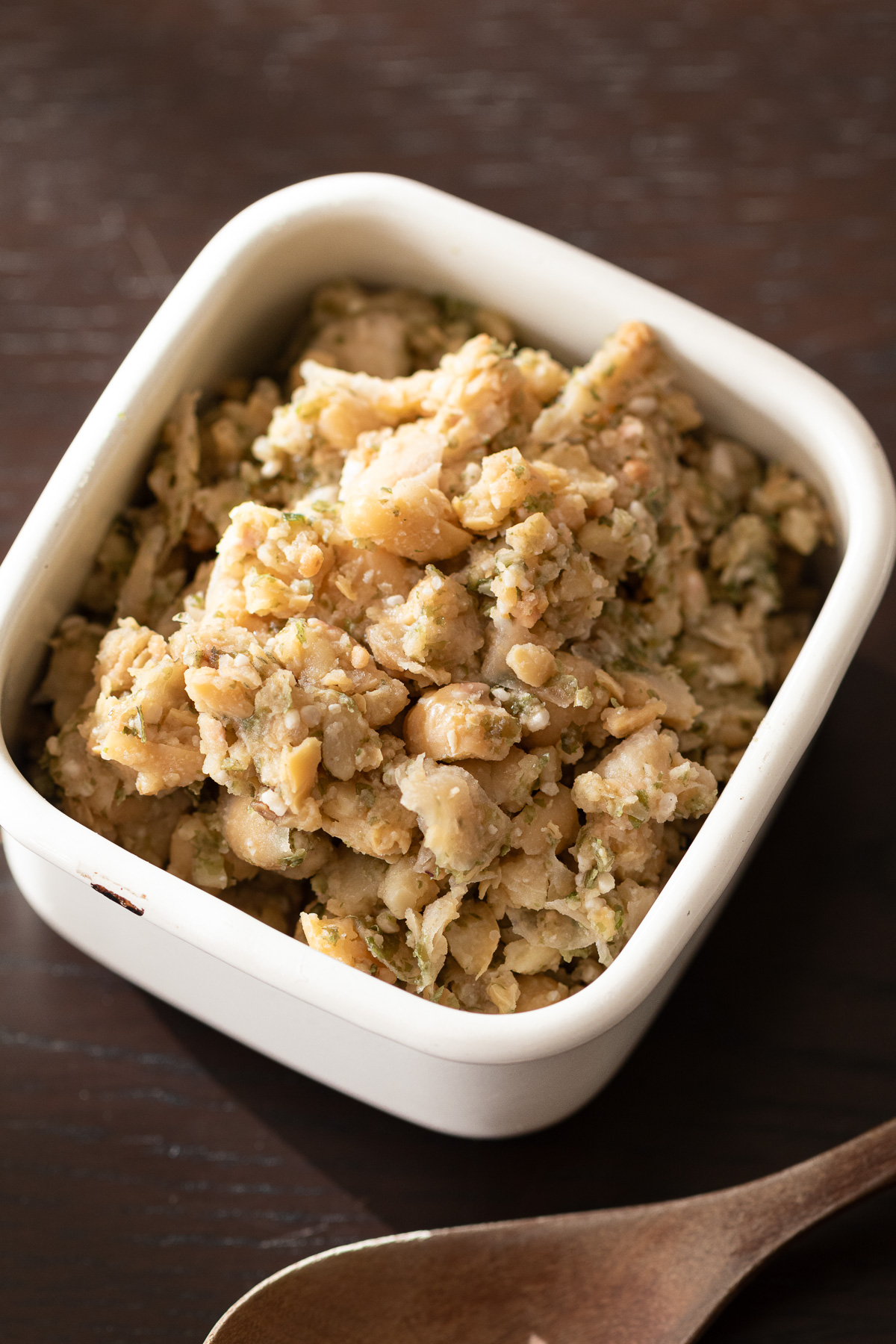
I personally prefer leaving a few pieces of chickpea intact. The slight texture gives it more of a tuna-like feel rather than a smooth hummus consistency.
Aonori is essential for achieving the tuna-mayo flavor. Without it, the tuna-like impression is significantly reduced.
No, this is a no-mayo vegan chickpea tuna. The natural umami of chickpeas, the richness of olive oil, and the acidity of apple vinegar together give a satisfying mayo-like experience, even without actual mayonnaise.
I recommend letting it rest in the refrigerator before adding more seasoning. The flavors often deepen and become more balanced over time.
Place the whole chickpeas and onion koji in a pot and gently heat over low heat, stirring continuously to prevent burning. Once the onion aroma has mellowed, remove from heat and let cool completely. Then mash the chickpeas slightly and add the remaining seasonings, mixing well.
Note: Heating softens the flavor, though the fermentation-derived umami may become slightly milder.

If you feel like whispering a thought, asking a question, or simply saying hello — the comment section is always open 📮
🪻 Recipe❶ Using Leftover Chickpeas
Vegan recipes using cooked chickpeas:

🪿 Recipe❷ Using Leftover Onion Koji
Vegan recipes made with homemade onion koji:
- Vegan Red Curry without Curry Paste|Fragrant, Thai-Inspired & Gently Spiced
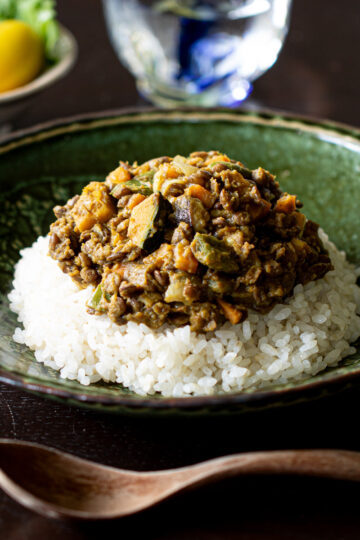
- Japanese Vegan Lentil Dry Curry with Seasonal Vegetables
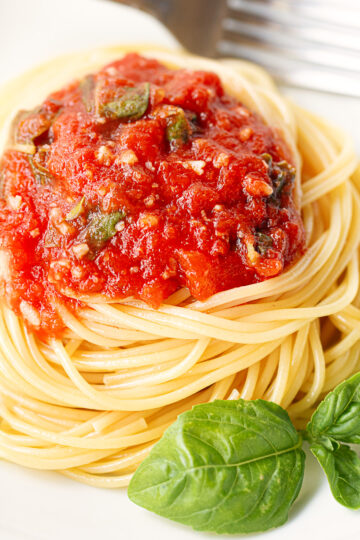
- Easy & Refreshing Tomato and Basil Vegan Pasta
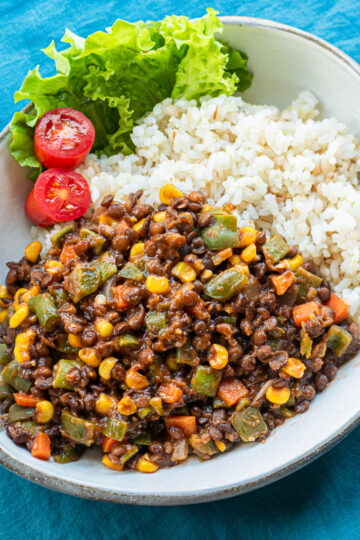
- Vegan Stir-fried Veggies & Whole Red Lentils with Ketchup-Based Sauce
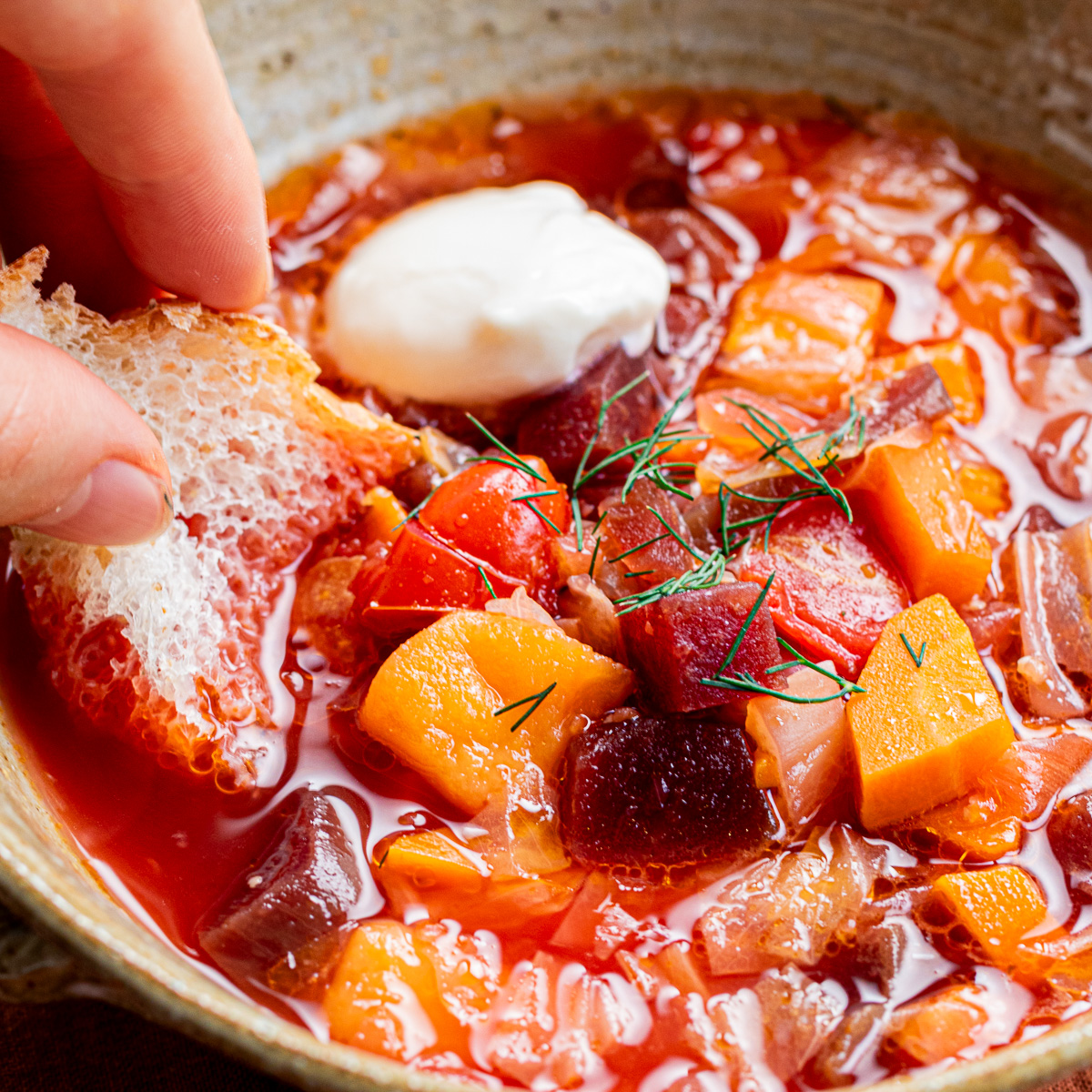
- Vegan Borscht
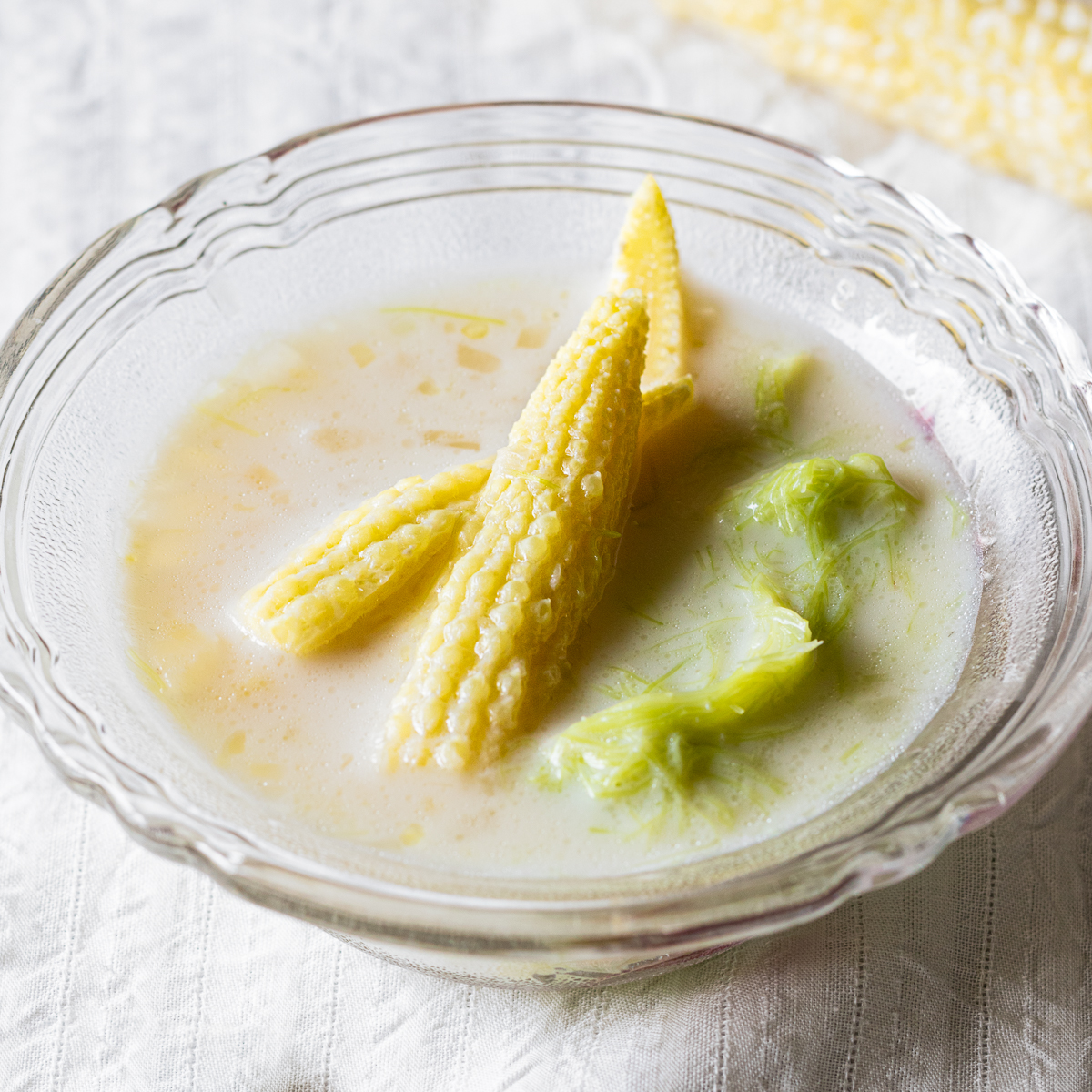
- Vegan Chilled Baby Corn Soup
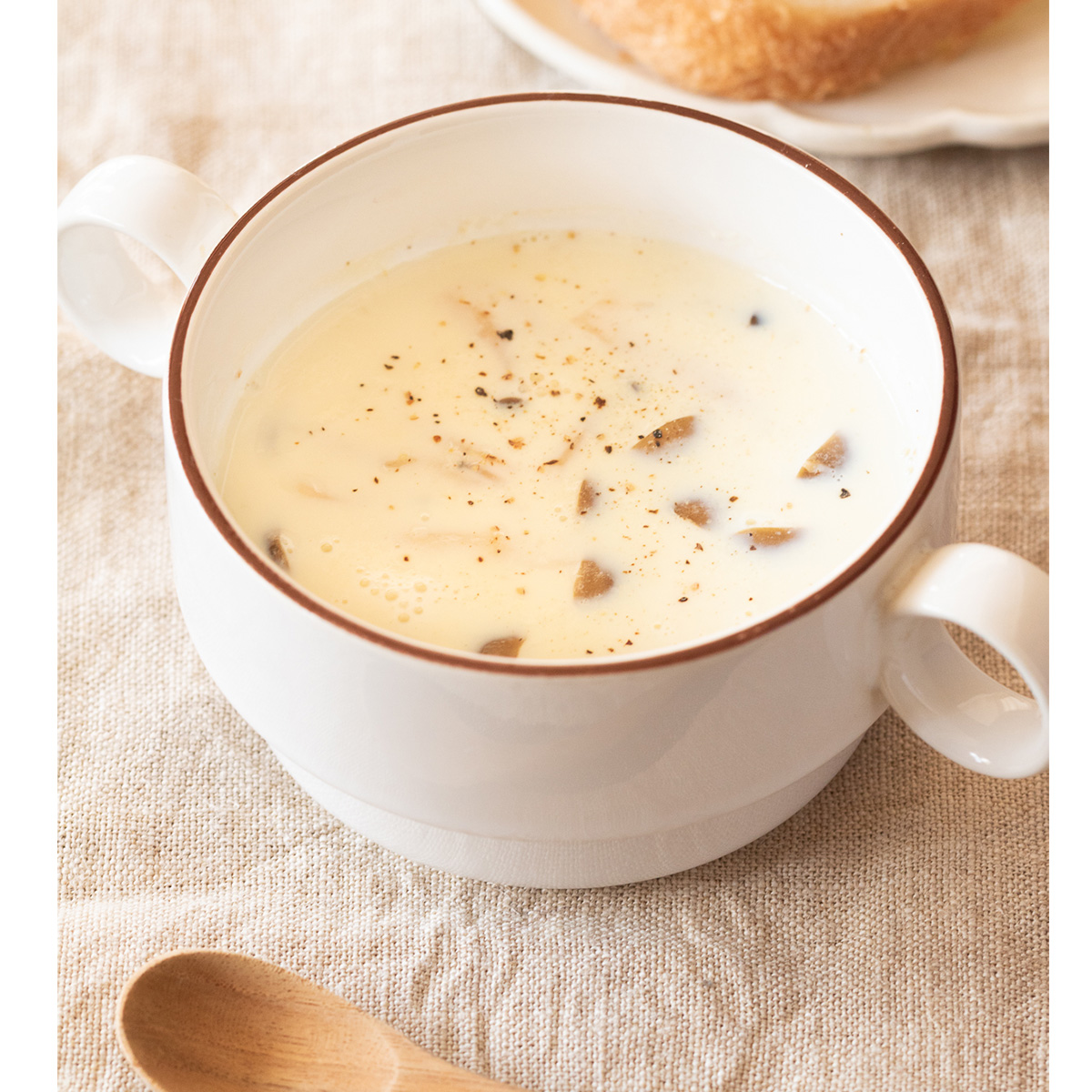
- Quick & Easy 3 Minutes Vegan Cup of Soup (Japanese-Style Cream of Mushroom)
🍃 Recipe❸ Seasonal Recipes
From main dishes to sides and desserts:
✏️ Recipe Card
Japanese-Style Vegan Chickpea Tuna Mayo|No Mayo Recipe
Equipment
- colander (to drain chickpeas)
- large bowl (to mix all ingredients)
- small bowl (to mix seasonings)
- masher (to roughly mash the chickpeas)
- Spoon (to mix)
- Storage container
Ingredients
- 200 g cooked chickpeas (well drained)
Seasoning A
- 1⅔ tablespoon onion koji
- 1 teaspoon apple vinegar
- 1 teaspoon olive oil
- 1 teaspoon soy sauce koji
- ½ to 1 teaspoon powdered kokuto (or sugar, adjust to taste)
Seasoning B
- 1 teaspoon aonori (dried green seaweed flakes, adjust to taste)
To Finish (optional)
- salt (as needed)
- ground black pepper (as needed)
Instructions
- Drain the chickpeas well. Place them in a colander and let excess moisture drip off completely.200 g cooked chickpeas
- Mash gently. Transfer the chickpeas to a bowl and mash with a fork or potato masher, leaving some texture for a tuna-like consistency.
- Mix Seasoning A (excluding the aonori). In a small bowl, combine Seasoning A (onion koji, soy sauce koji, powdered kokuto, olive oil, and apple vinegar).1⅔ tablespoon onion koji1 teaspoon apple vinegar1 teaspoon olive oil1 teaspoon soy sauce koji½ to 1 teaspoon powdered kokuto
- Combine. Add the seasoning mixture to the mashed chickpeas and mix well.
- Add aonori gradually. Sprinkle in the aonori little by little, tasting as you go, until it enhances the tuna-like flavor.1 teaspoon aonori
- Adjust the flavor. Taste and adjust sweetness, saltiness, or acidity as needed.ground black peppersalt
- Let it rest. Transfer to a container and refrigerate for at least 30 minutes. The flavor deepens as it rests.
Notes
- The flavor improves after a few hours in the refrigerator.
- If soy sauce koji is unavailable, you may substitute a small amount of soy sauce, though the depth will differ.

If this recipe made its way into your kitchen, and you'd like to share that moment, feel free to tag @veginveganvegun or use #vegin_vegan_vegun.
Your quiet stories inspire me deeply 🕊️

Comments
No Comments