
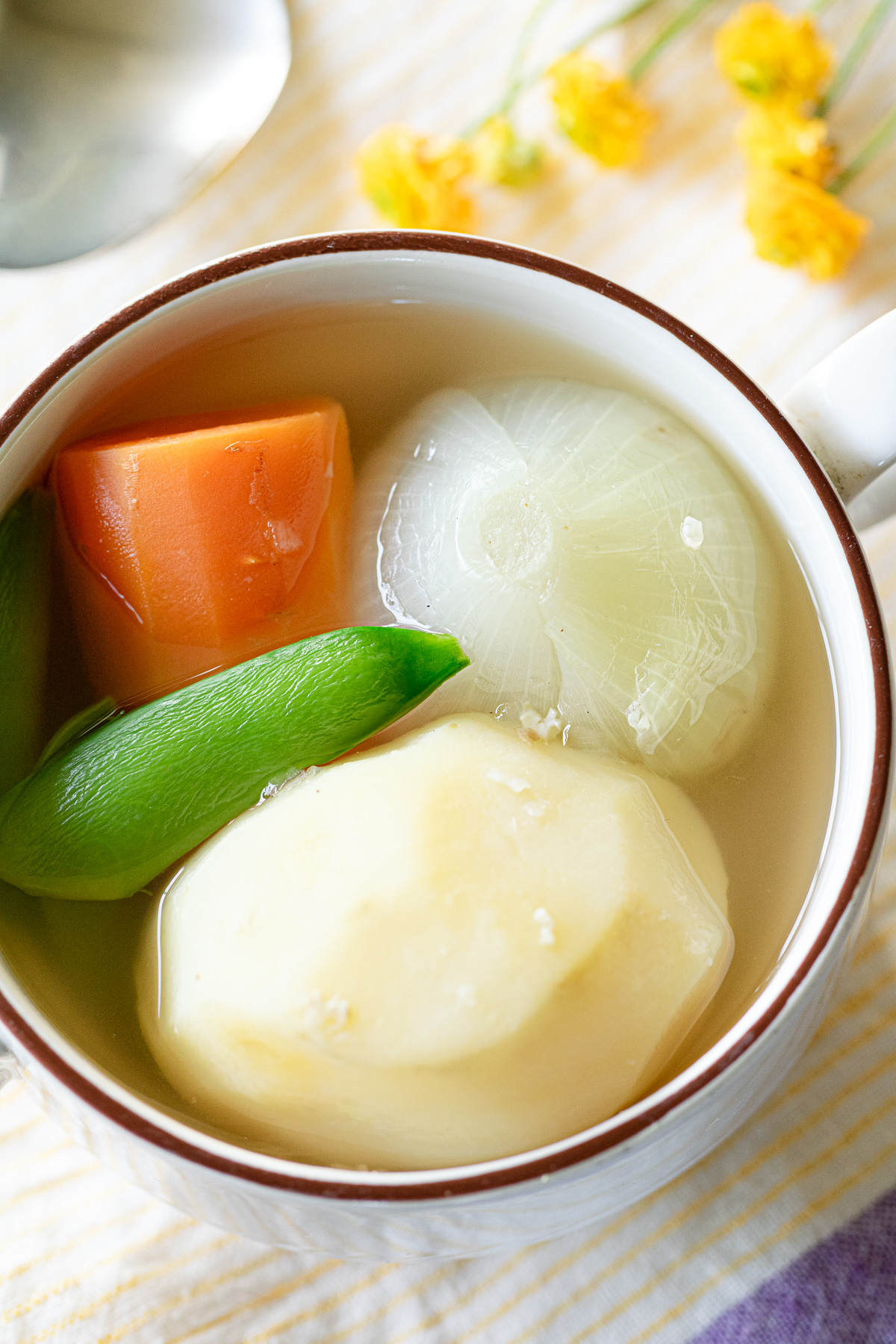
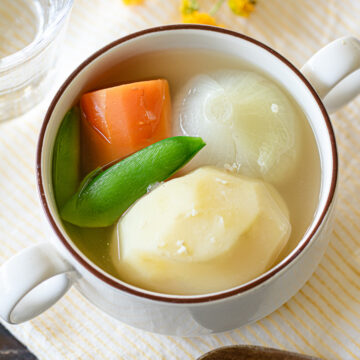
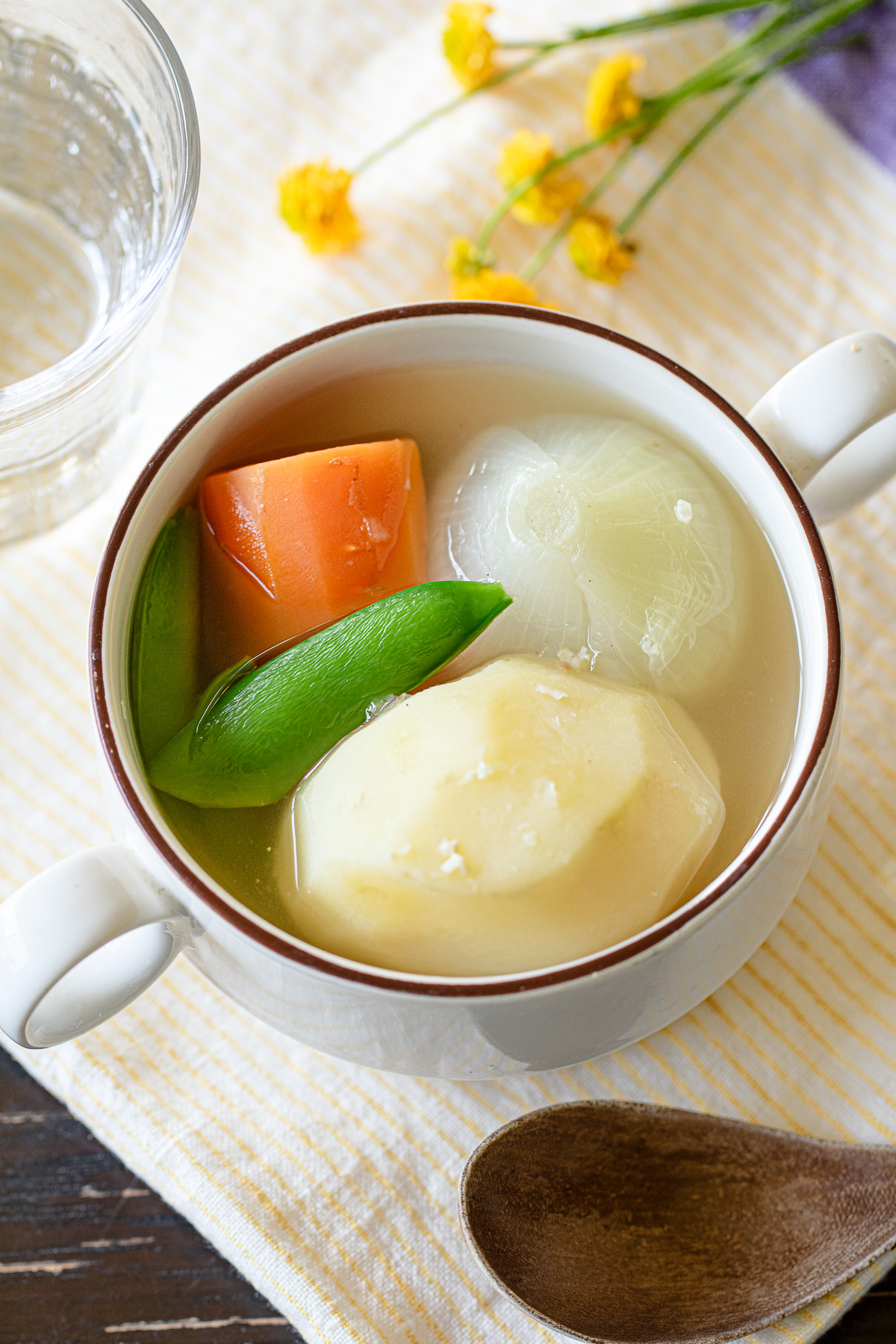
A cozy, French-style vegan pot au feu made entirely from plants — no bouillon, no stock cubes, no meat.
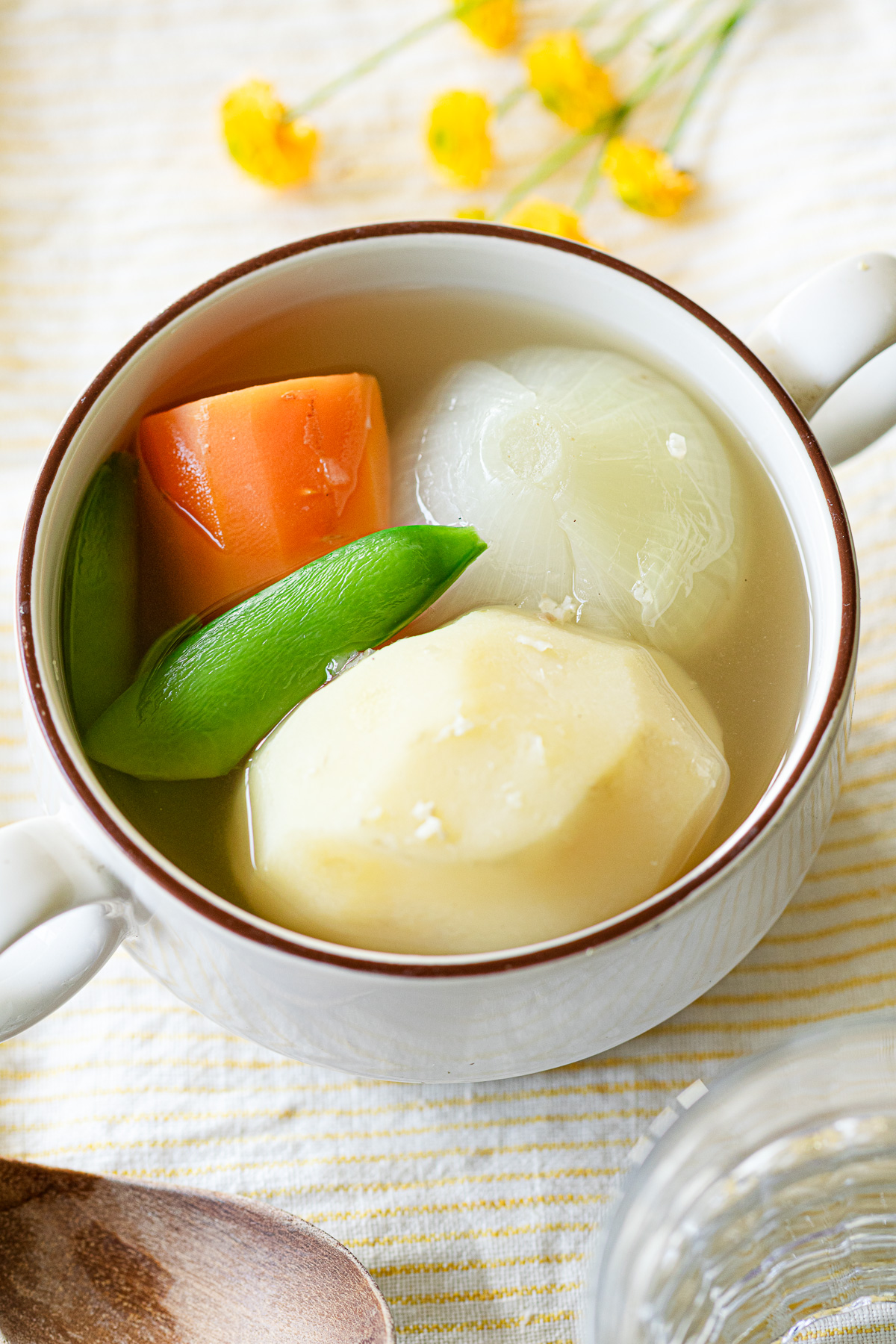
The broth is built from dried daikon soaking water, and the seasoning is onion koji — a Japanese fermented condiment that adds a deep, savory umami without any additives. Simple ingredients, but the flavor is anything but simple.
Spring vegetables such as new onions, potatoes and carrots go in whole, and the pressure cooker does the rest. The vegetables come out tender and sweet, the broth is comforting and full of depth.
Jump to:
🧺 Why This Recipe Works
- No bouillon, no stock cubes: The broth is made from dried daikon soaking water — a simple, natural vegetable broth with a gentle sweetness and umami.
- Onion koji for deep umami: This Japanese fermented seasoning adds the kind of savory depth you'd get from bouillon cubes, with no additives.
- Pressure cooker friendly: Just 1.5–2 minutes at low pressure and the vegetables are perfectly tender.
- Whole spring vegetables: New onions, potatoes, and carrots cooked whole — simple, cozy, and beautiful in the bowl.
- Oil-free: No sautéing required. Everything goes straight into the pot.
🧅 What Is Onion Koji?
Onion koji (玉ねぎ麹) is a Japanese fermented seasoning made from onion, rice koji (steamed rice inoculated with the mold Aspergillus oryzae) and salt.
As it ferments, the natural sweetness of the onion combines with the umami of the koji, creating a seasoning with a savory, almost bouillon-like depth.
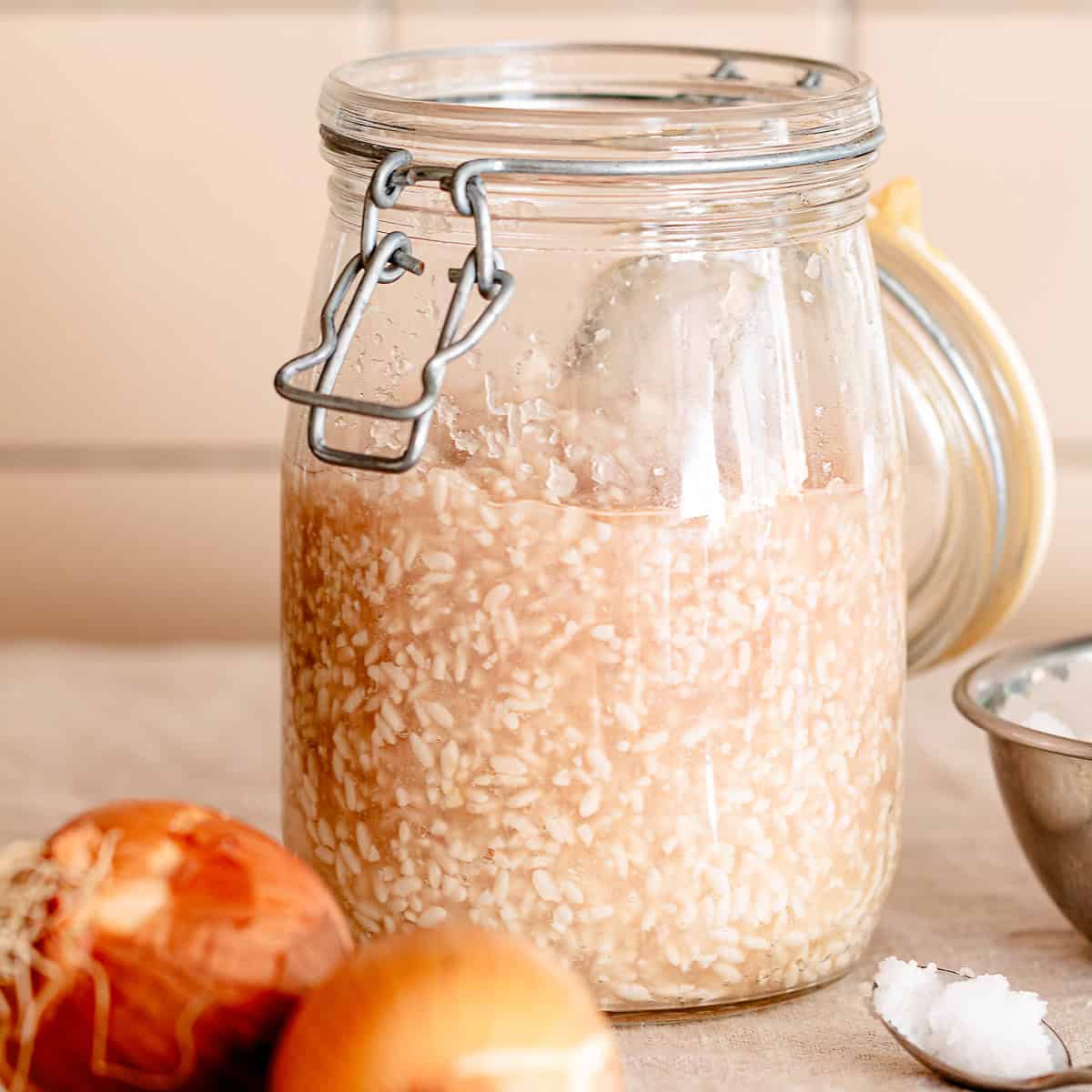
It works beautifully in soups, stews, pasta, and curries — anywhere you'd reach for a stock cube or bouillon.
No additives, no artificial flavoring. Just onion and koji, slowly fermented to bring out a rich, matured depth of flavor.
For the full recipe and how to use it, check out the links below.
📖 How to Make Onion Koji
What Is Dried Daikon?
Dried daikon (切り干し大根, kiriboshi daikon) is a traditional Japanese ingredient made from daikon radish that has been julienned and sun-dried.
The drying process concentrates the natural sweetness and umami of the daikon, giving it a depth of flavor that fresh daikon doesn't have. Sun-drying is also said to concentrate minerals like calcium and iron, making it a surprisingly nutrient-dense ingredient.
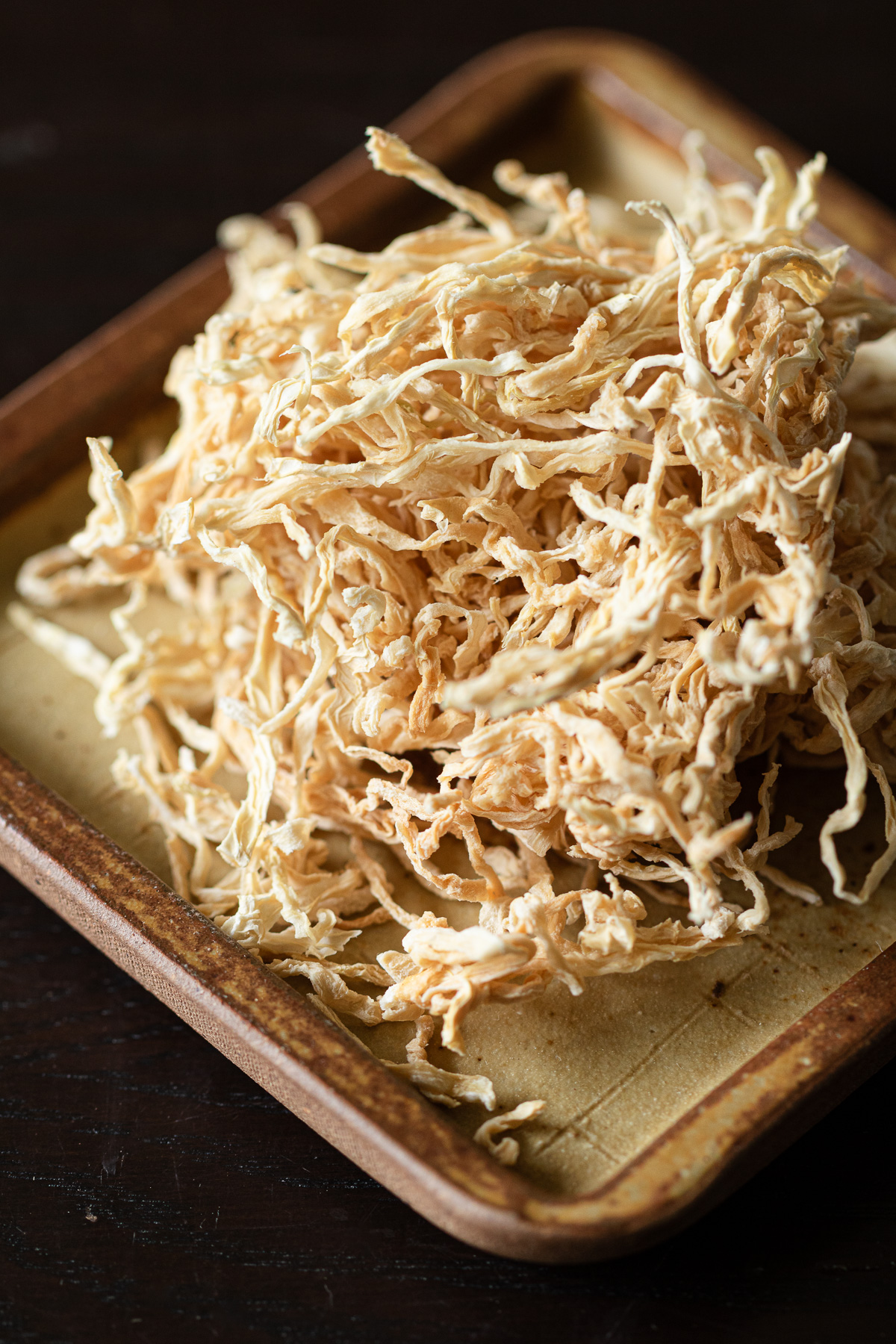
In this recipe, dried daikon is soaked in water to rehydrate. The soaking water becomes a light, naturally sweet vegetable broth — the base of this pot au feu.
In Japanese plant-based cooking, soaking liquids from dried ingredients like kiriboshi daikon or dried shiitake are often used to build delicate, umami-rich broths. Here, onion koji adds extra depth and savoriness.
The rehydrated daikon itself is too good to throw away. In Japan, it's commonly used in a few ways:
- As a salad: Toss with your favorite dressing for a satisfying crunch. I often keep it simple with wakame seaweed and soy sauce koji.
- Harihari pickles (はりはり漬け): A classic Japanese side dish simmered in soy sauce and sugar — crunchy, sweet, and savory. Perfect with a bowl of rice.
- Simmered dish (切り干し大根の煮物): Cook with onion, carrot, and potato in a light soy sauce-based broth for a simple, homestyle side.
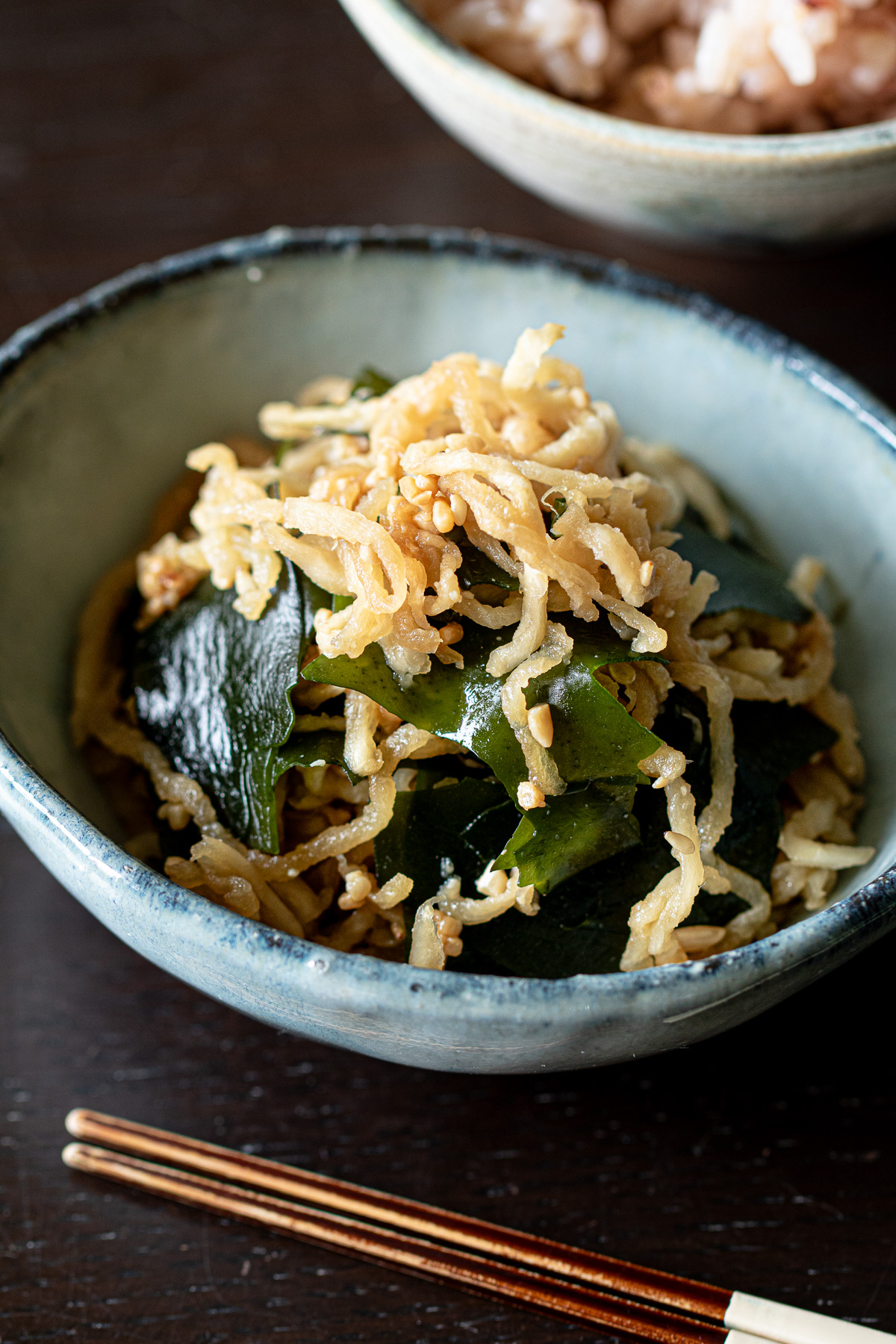
You can usually find dried daikon at Japanese supermarkets, Asian grocery stores, natural food stores, or online retailers like Amazon.
🌿 Ingredients
With just a few simple, seasonal spring vegetables.
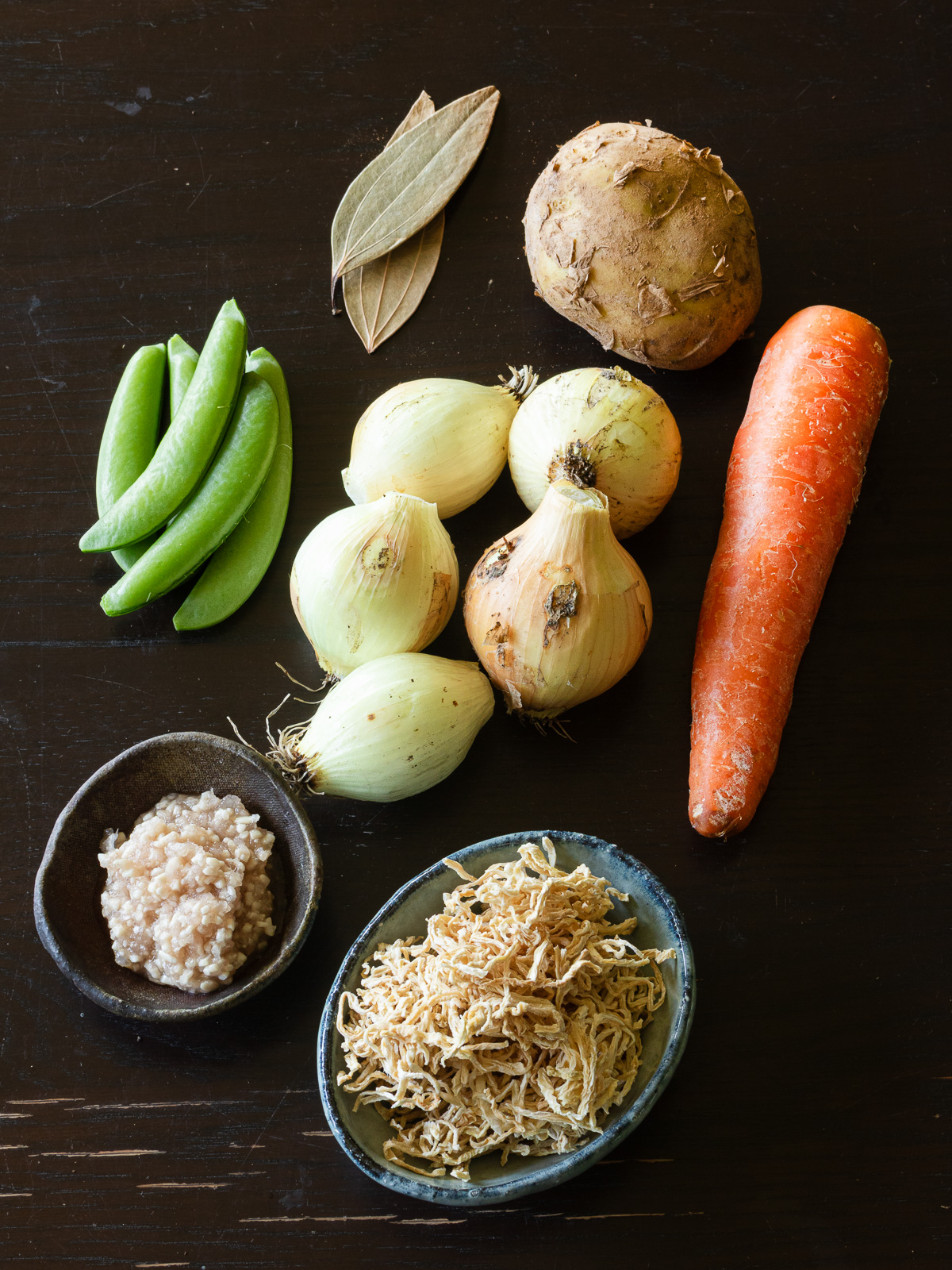
Vegetables
- New onions (freshly harvested onions)
- New potatoes
- Young carrots
New onions are used whole. Potatoes and carrots are halved. Peel or leave the skin on — your choice.
🌿 Snap peas are optional. Add them at the end for a pop of color.
Broth Base
The broth is made from dried daikon soaking water. Soak the dried daikon in water, squeeze it well, and use the soaking liquid as your vegetable broth. Simple, natural, and full of umami.
🌿 The rehydrated daikon can be saved for salads, pickles, or simmered dishes.
Seasoning
- Onion koji
- Salt
- Ground pepper (I used a fine blend of white and black pepper, but any pepper you like will work.)
I like to add a generous amount of pepper — it really brings the soup together.
A bay leaf or two adds a warm, fragrant depth to the broth.
For exact quantities, see the recipe card below 👇
📖 Instructions
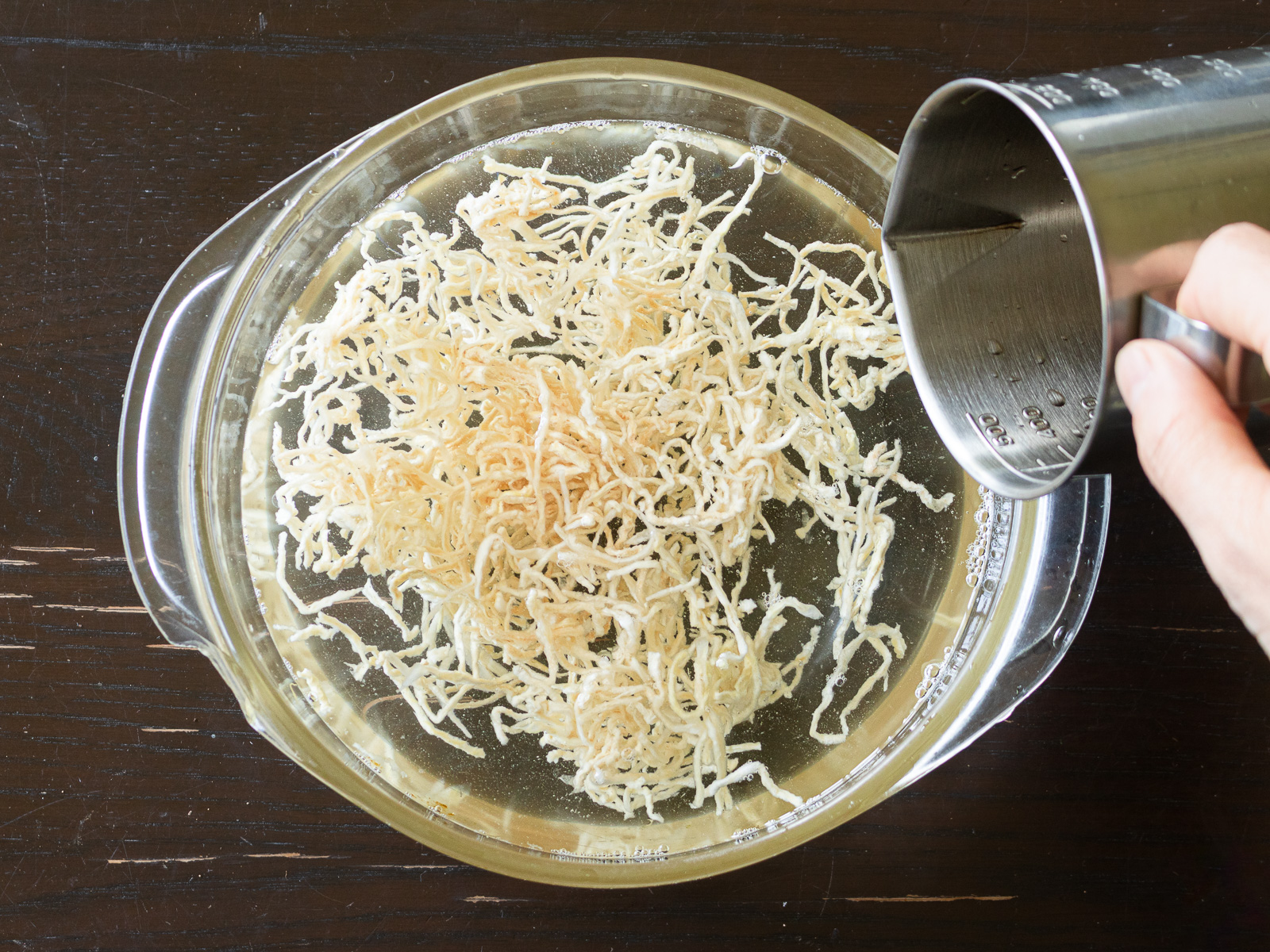
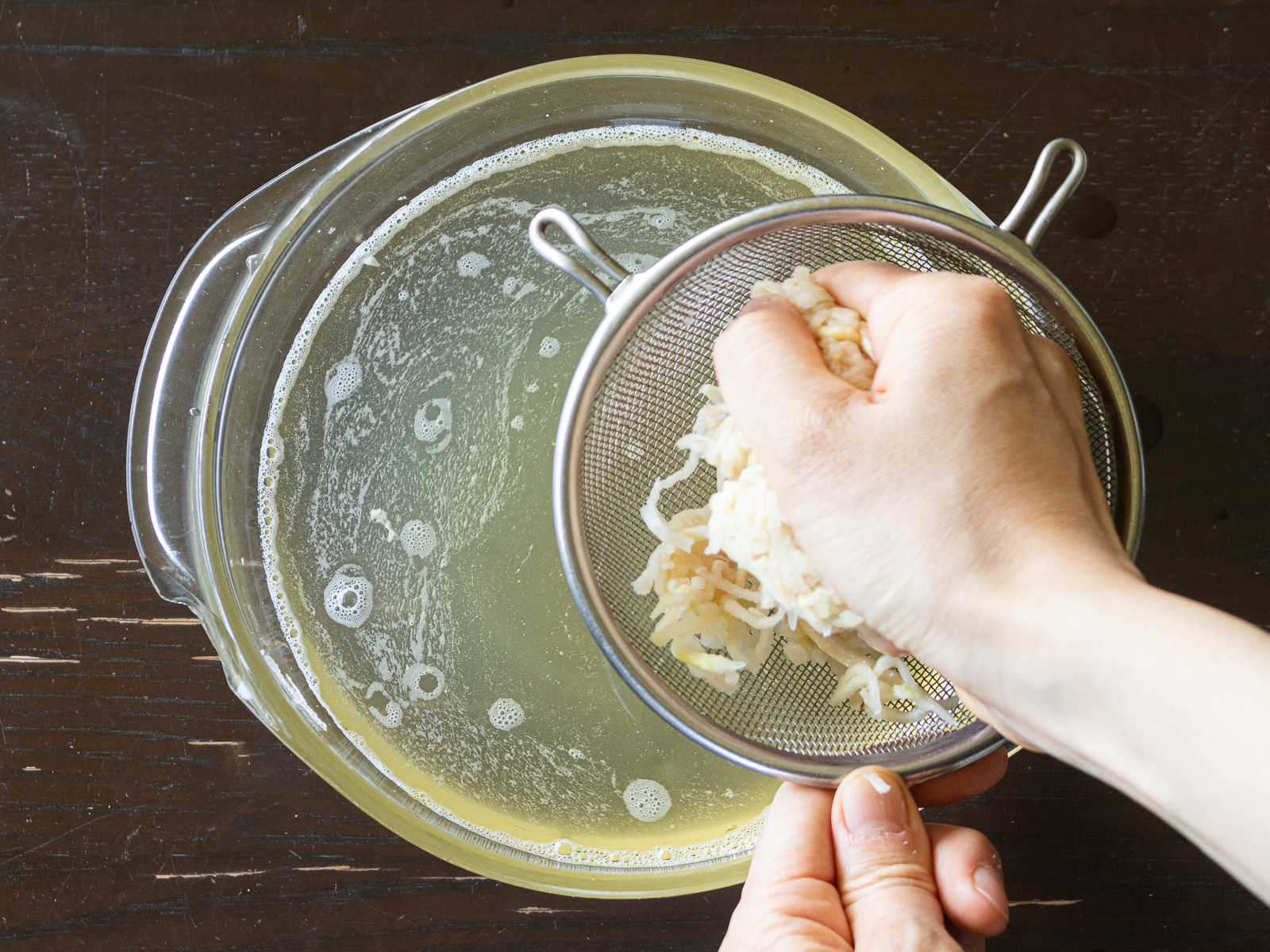
- Soak the dried daikon
- Rinse the dried daikon quickly, then soak in 700ml of water for 15–30 minutes.
- Scoop out the daikon and squeeze firmly by hand to extract as much liquid as possible.
- Set the soaking liquid aside — this is your broth.
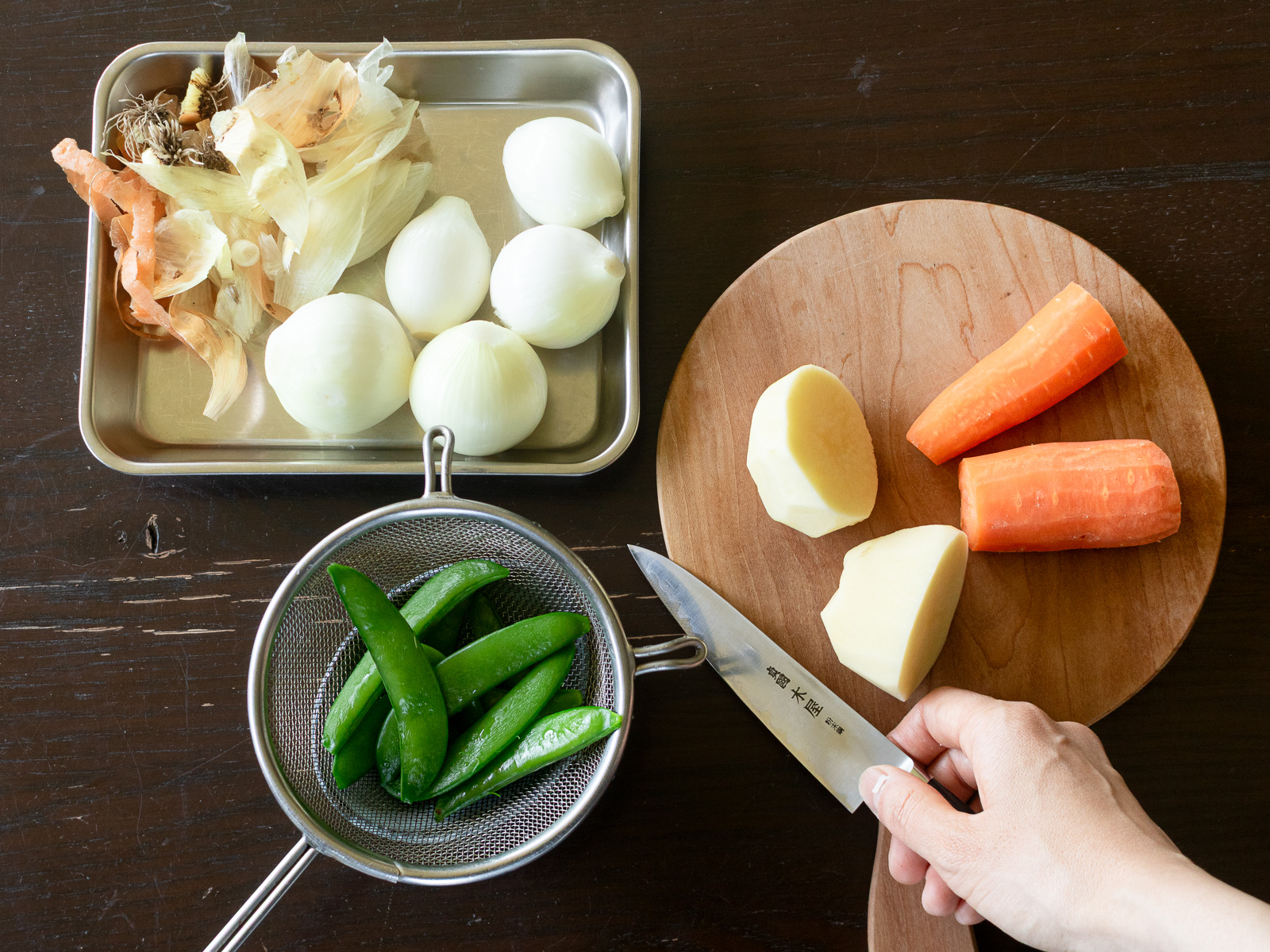
- Prep the vegetables
- Halve the potatoes and carrots. Peel or leave the skin on — your call.
- For the new onions, trim the root ends, remove the outer skin, and leave them whole.
🌿 If using snap peas, blanch in boiling water for about 1 minute. Remove while still bright green to keep the color and texture.
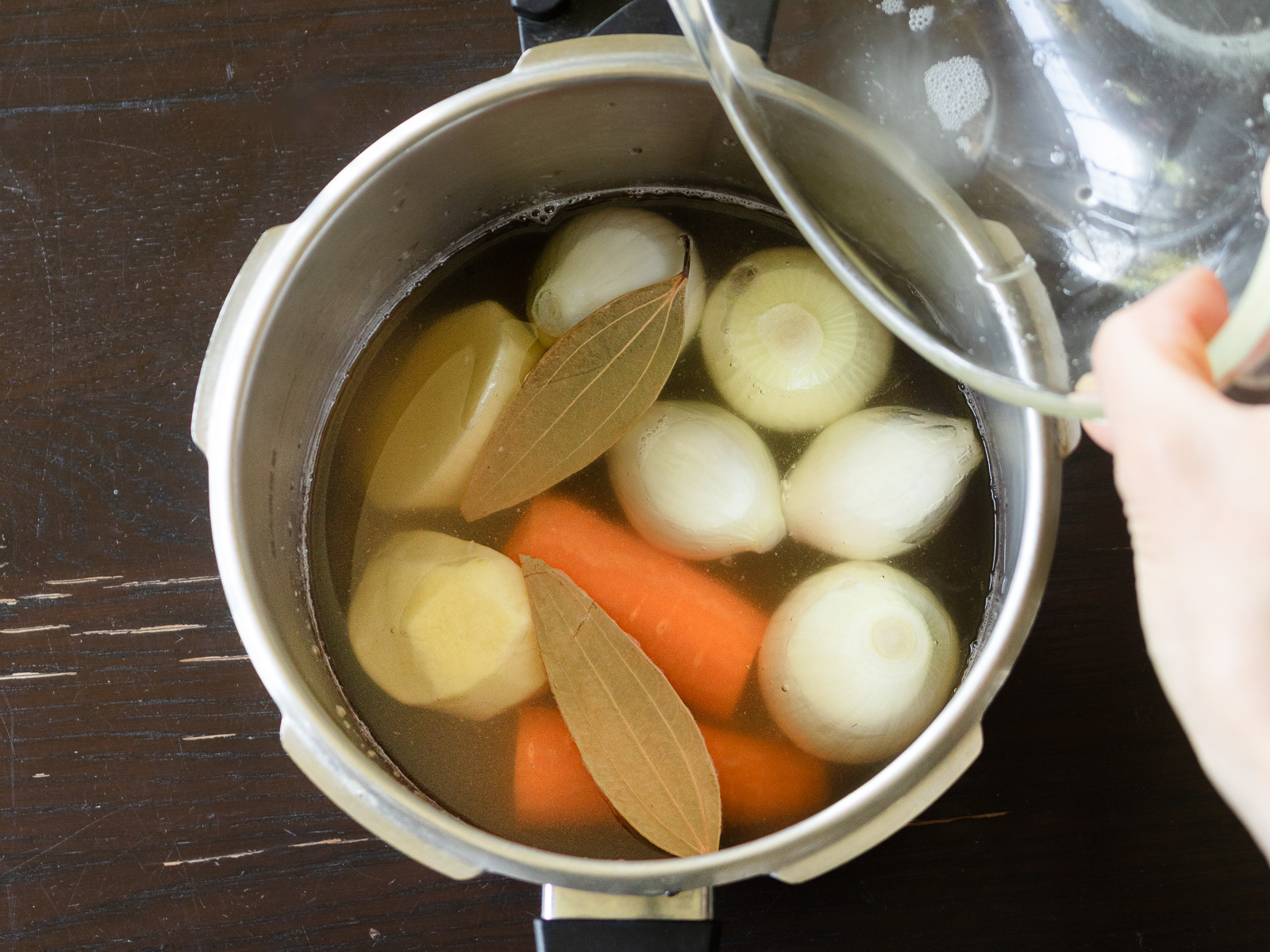
- Pressure cook
- Add the vegetables, daikon broth, and bay leaf to the pressure cooker.
- Cook at low pressure for 1.5–2 minutes. If using high pressure, reduce the time to avoid overcooking.
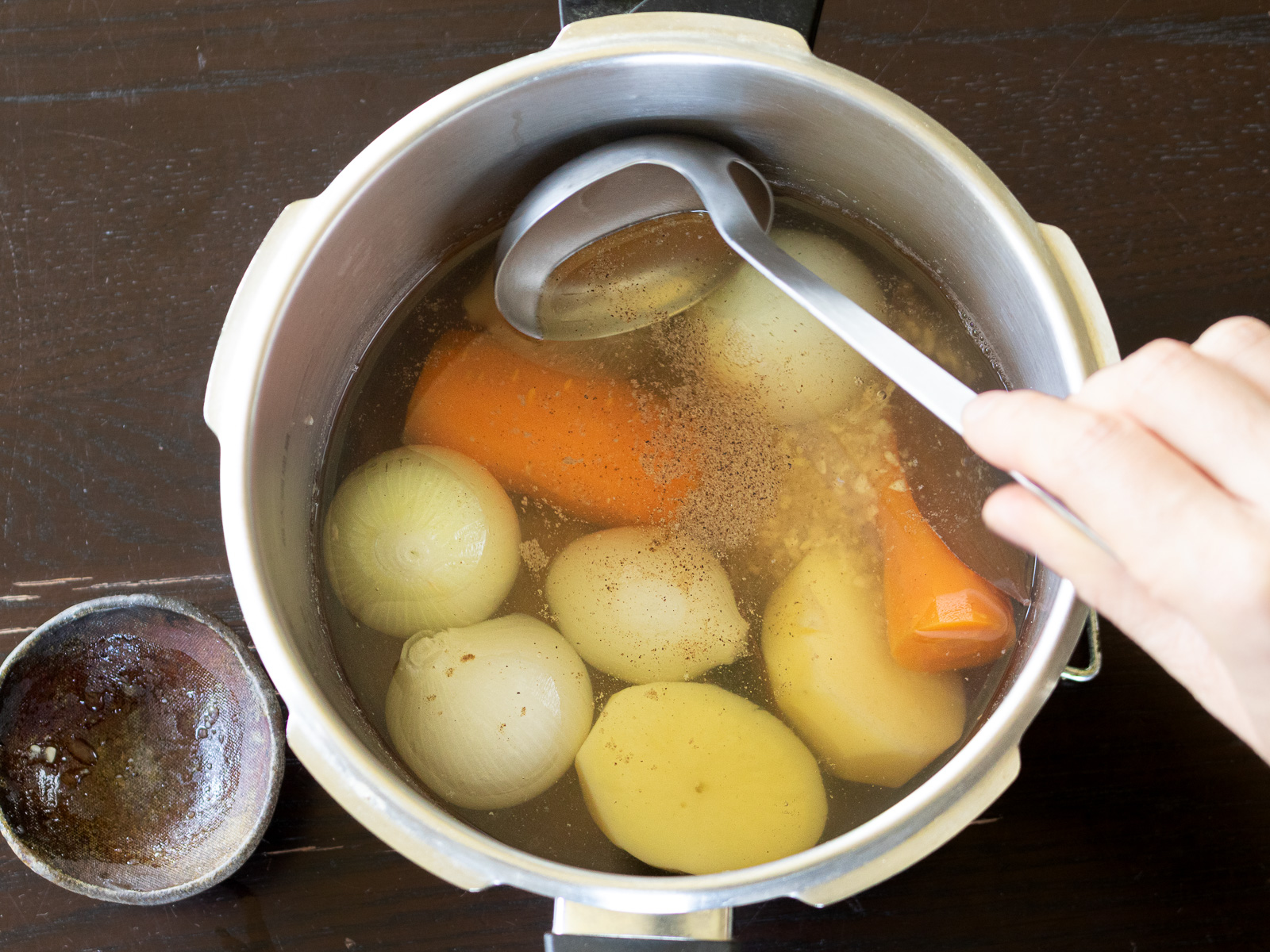
- Season
- Once the pressure has released, open the lid and stir in the onion koji.
- Taste and adjust with salt and pepper.
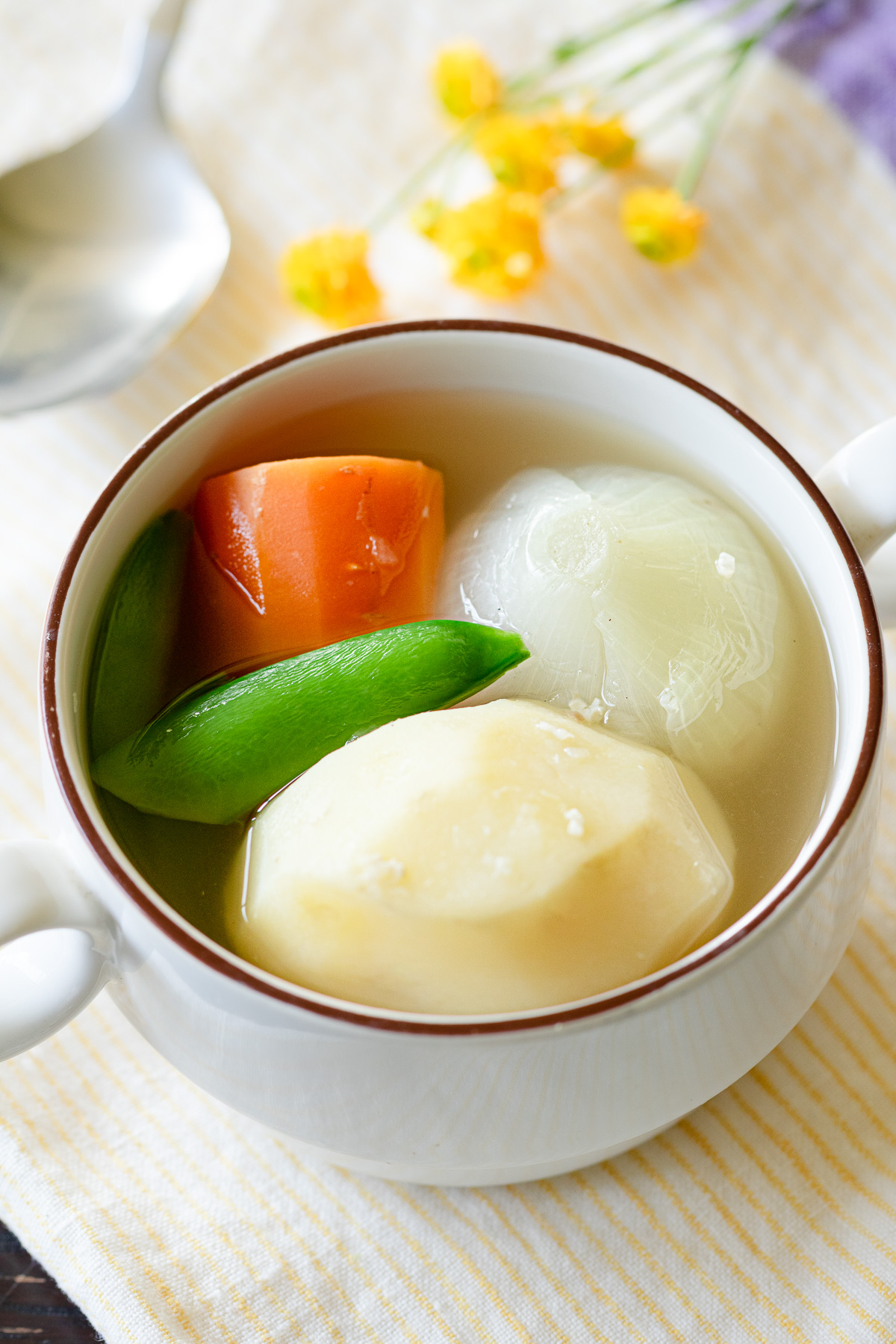
- Let the soup cool down, then reheat before serving — this helps the flavors develop and come together.
- Serve in bowls and top with snap peas.
🌿 A generous amount of pepper makes a real difference here.
📘 Serving Suggestions & Leftovers
The Next Morning
Leftover broth is too good to waste.
Here are a couple of ways to enjoy it the next day:
- Add curry powder: A pinch of your favorite curry powder transforms the broth into a warm, aromatic morning soup.
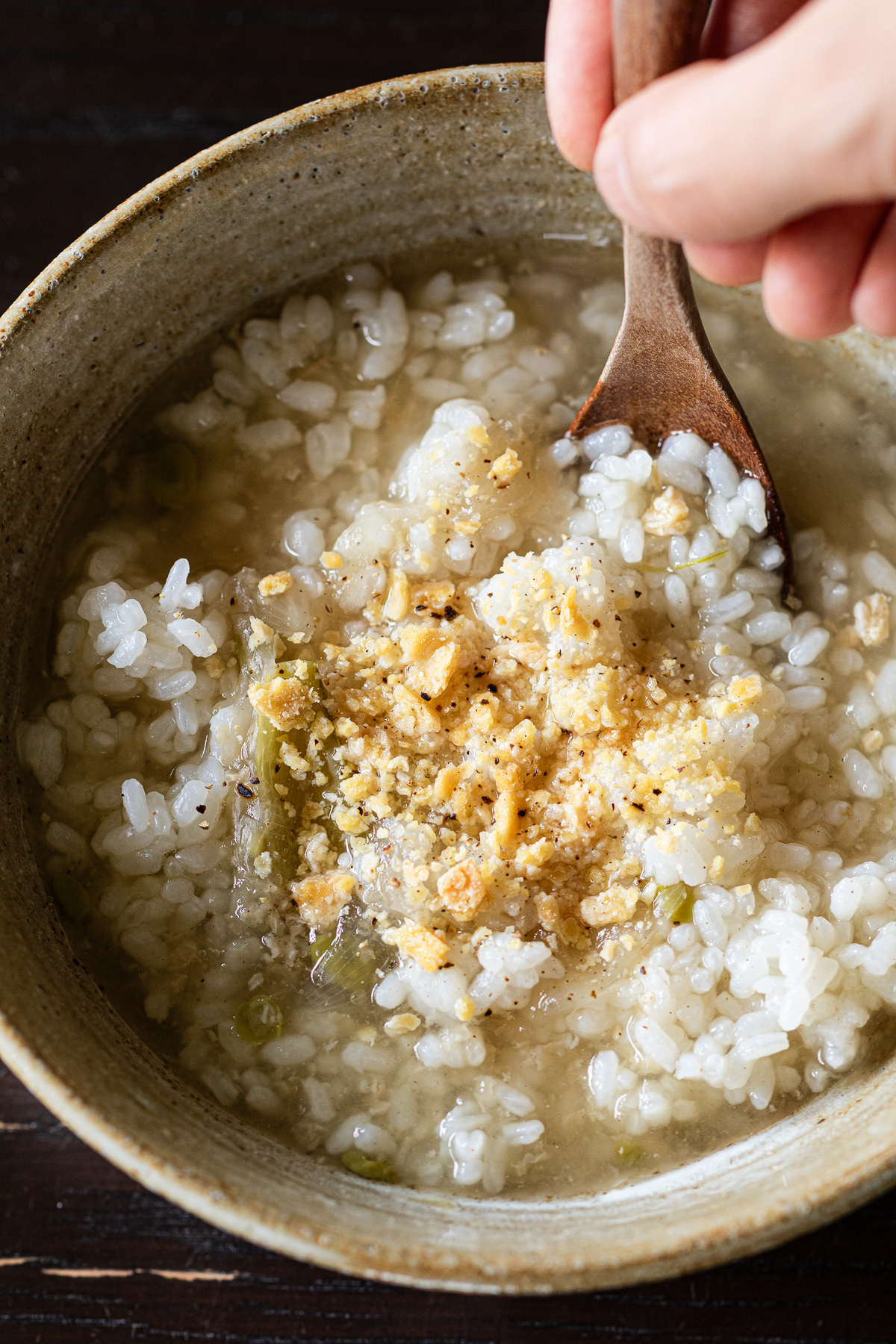
- Make it a risotto: Add leftover rice to the broth and simmer briefly for a simple, comforting porridge-style dish.
📚 FAQ
Potatoes, carrots, and onions are the classic base.
This recipe uses spring vegetables — spring cabbage is also a lovely addition. In autumn and winter, turnips and regular cabbage are also a great fit.
If combining vegetables with different cooking times, adjust how you cut them or tweak the pressure cooking time accordingly.
Yes. Simmer the vegetables in the daikon broth over low heat for 20–30 minutes, or until tender. The result will be just as flavorful — it just takes a little longer.
No. Everything goes straight into the pressure cooker — no oil, no sautéing. The dried daikon broth and onion koji do all the work.
This recipe is entirely plant-based. The combination of dried daikon broth and onion koji gives the soup plenty of depth and umami — no meat needed.

If you feel like whispering a thought, asking a question, or simply saying hello — the comment section is always open 📮
🍽️ More Vegan Soup Recipes
From light vegetable soups to sweet Japanese dessert soups:


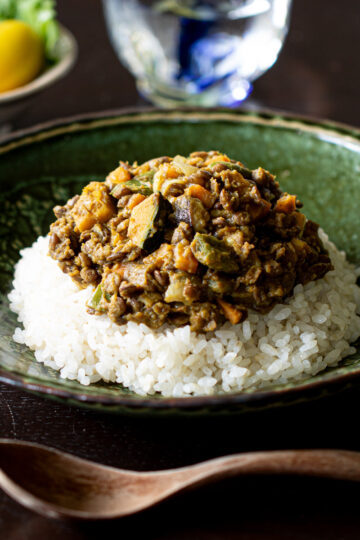
🥄 More Onion Koji Recipes
Vegan recipes using Japanese umami seasoning onion koji:

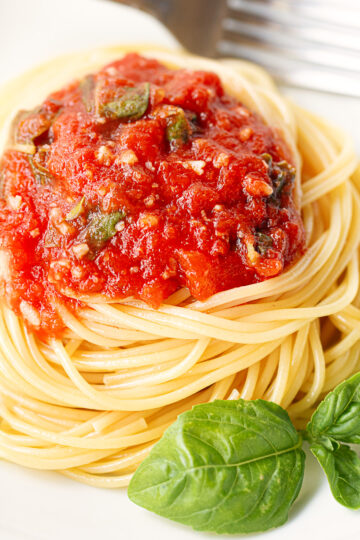
🍝 Western-Style Vegan Recipes
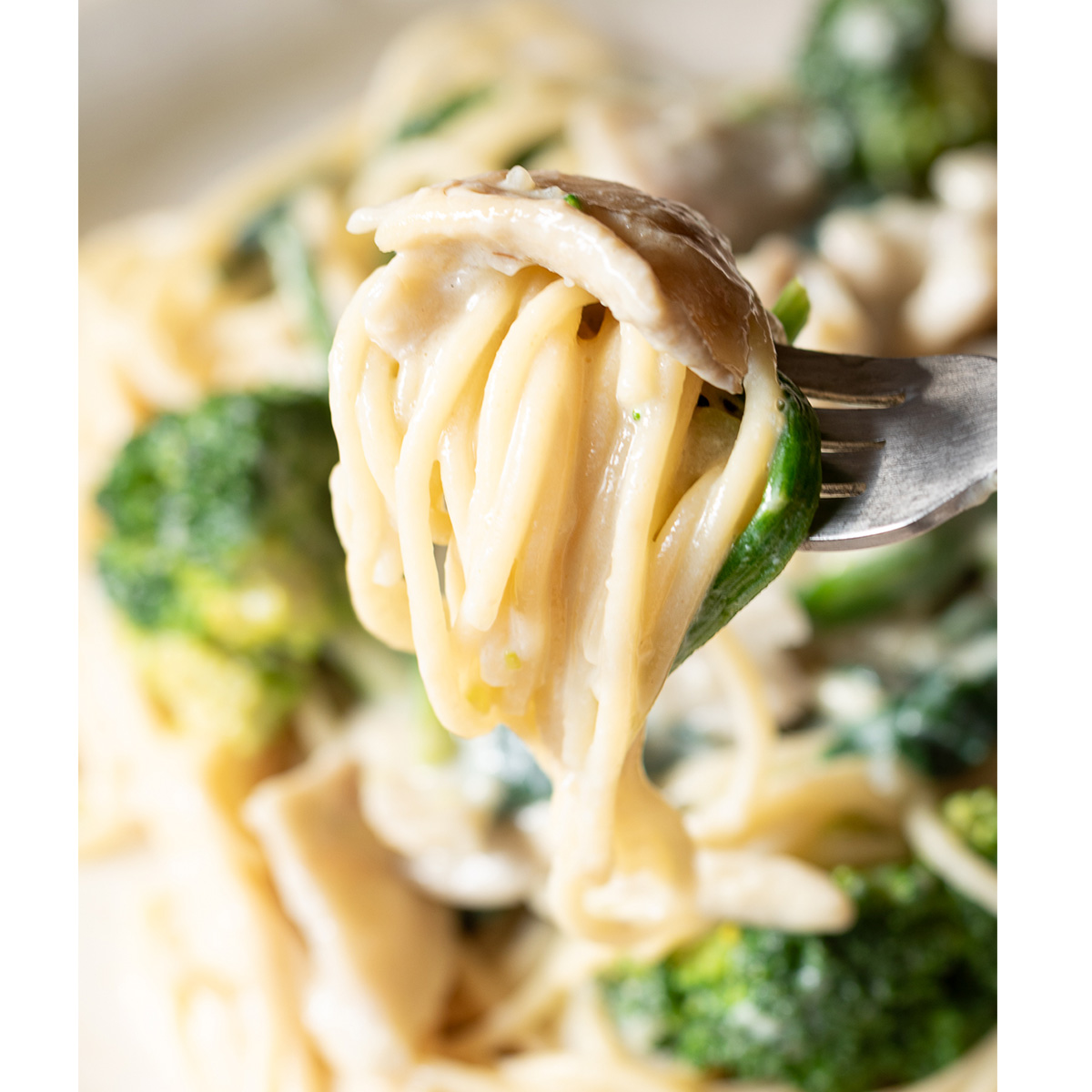
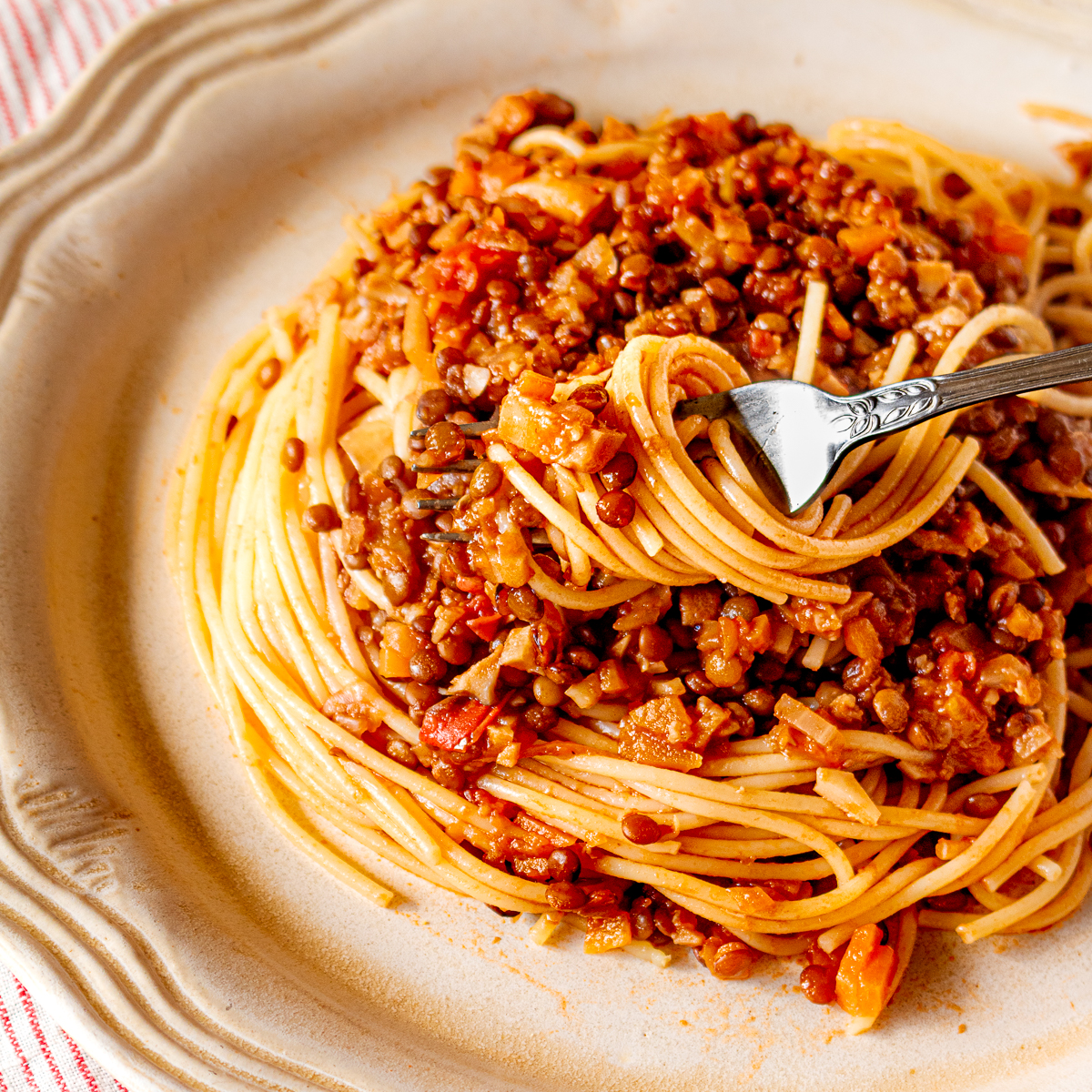
More Western-style vegan comfort food recipes:
✏️ Recipe Card
Vegan Pot Au Feu with Japanese Natural Umami Seasoning
Equipment
- pressure cooker
- Mixing bowl
- colander
- ladle
- Knife and cutting board
- measuring cup
Ingredients
Broth Base
- 25 g dried daikon
- 700 ml water
Vegetables
- 300 g small onions (about 6 small)
- 125 g potatoes (1 large)
- 125 g carrots (1 medium)
- snap peas (optional)
- 1–2 bay leaf
Seasoning
- 2 tablespoon onion koji
- salt (to taste)
- ground pepper (to taste)
Instructions
Prepare the Broth
- Rinse the dried daikon quickly, then soak in 700ml of water for 15–30 minutes.25 g dried daikon700 ml water
- Scoop out the daikon and squeeze firmly by hand.
- Set the soaking liquid aside — this is your broth.
Prepare the Vegetables
- Halve the potatoes and carrots. Peel or leave the skin on — your choice.125 g potatoes125 g carrots
- For the new onions, trim the root ends, remove the outer skin, and leave them whole.300 g small onions
- If using snap peas, blanch in salted boiling water for about 1 minute. Remove them while still bright green to keep their color and texture.snap peas
Pressure Cook & Season
- Add the vegetables, daikon broth, and bay leaf to the pressure cooker. Cook at low pressure for 1.5–2 minutes.1–2 bay leaf
- Once the pressure has released, open the lid and stir in the onion koji. Taste and adjust with salt and pepper.
- Let the soup cool down, then reheat before serving. Serve in bowls and top with snap peas.

If this recipe made its way into your kitchen, and you'd like to share that moment, feel free to tag @veginveganvegun or use #vegin_vegan_vegun.
Your quiet stories inspire me deeply 🕊️


Comments
No Comments