
A quick, non-spicy vegetable bibimbap made with nutritious spring vegetables and a soy sauce-based Japanese-style sauce. Simple enough for a weekday lunch or a lunch box.
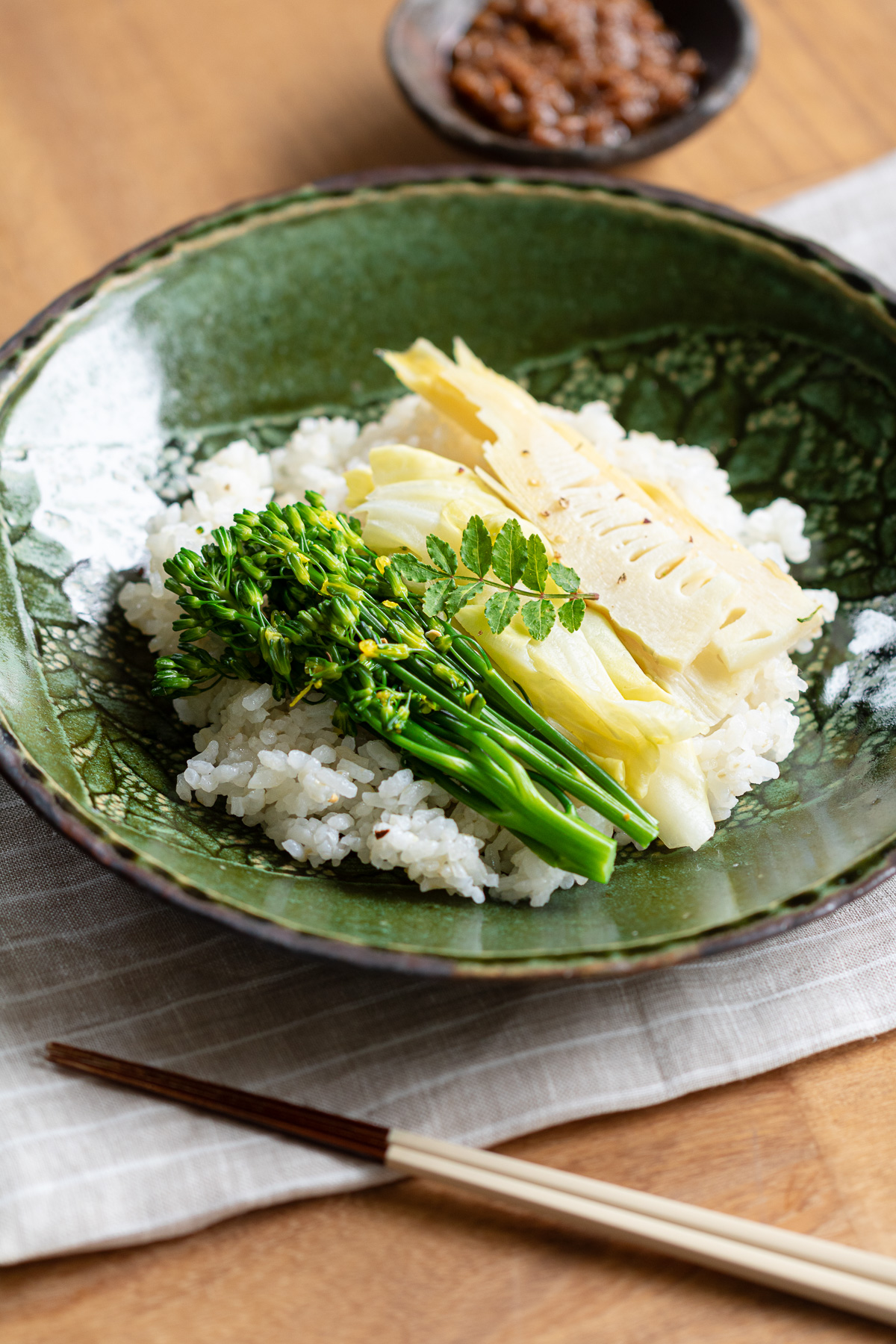
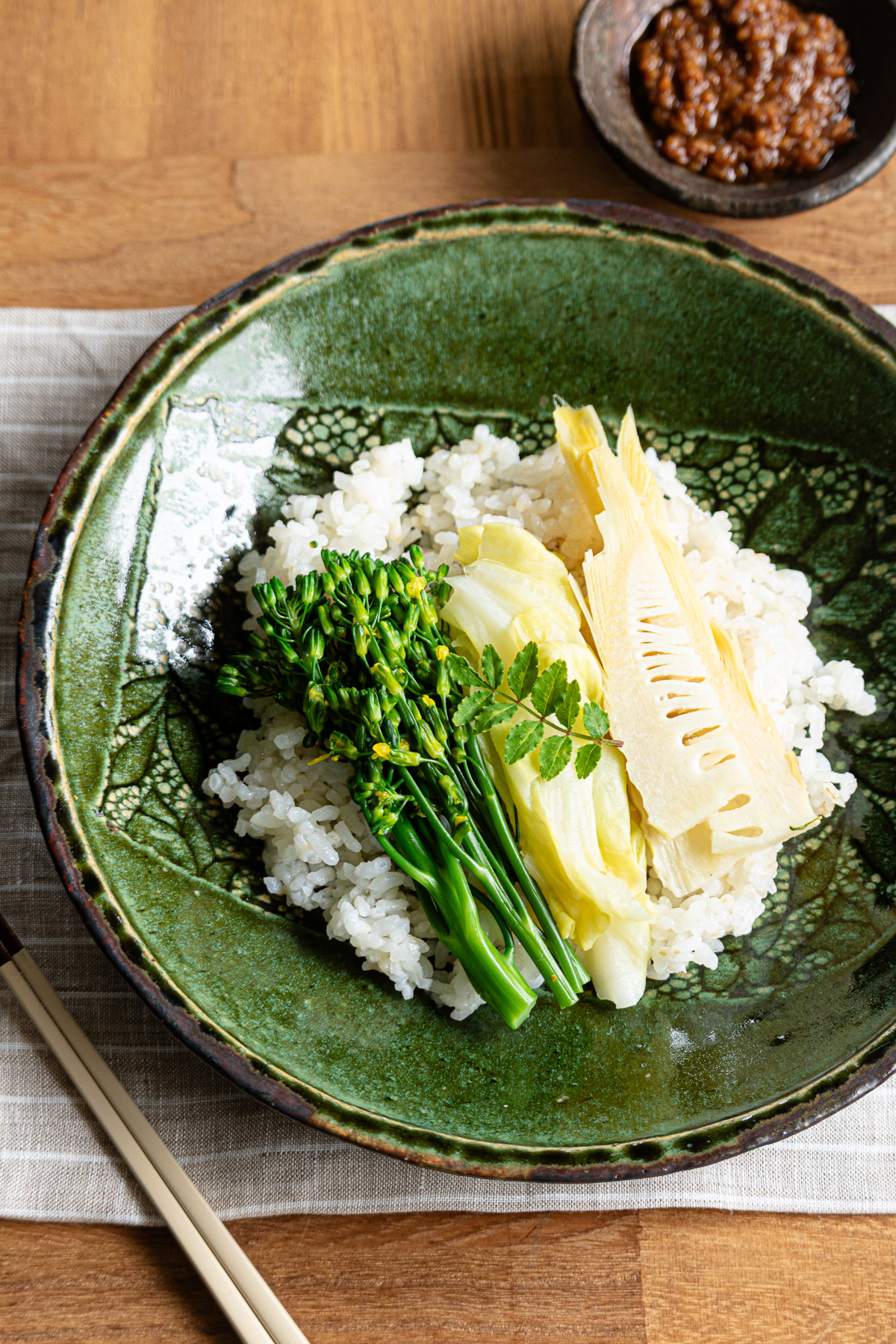
This vegan bibimbap comes together with just simply boiled spring vegetables.
Traditional bibimbap usually calls for namul, vegetables individually seasoned with sesame oil, soy sauce, and salt. Skipping that step is what makes this version so quick.
For a nutritional boost, feel free to add a protein like toasted thin fried tofu or sliced thick fried tofu, too.Bibimbap is forgiving, so feel free to swap in whatever vegetables are in season where you are.
With spring weather still a bit unpredictable, a bowl of this bibimbap feels like the right way to shake off the chill and get some color back into the day.
🌿 I also have a gochujang-based bibimbap sauce, kept fairly mild. Make both at once and enjoy two different flavors side by side.
Ingredients
Use whatever spring vegetables you like — here's what I used.
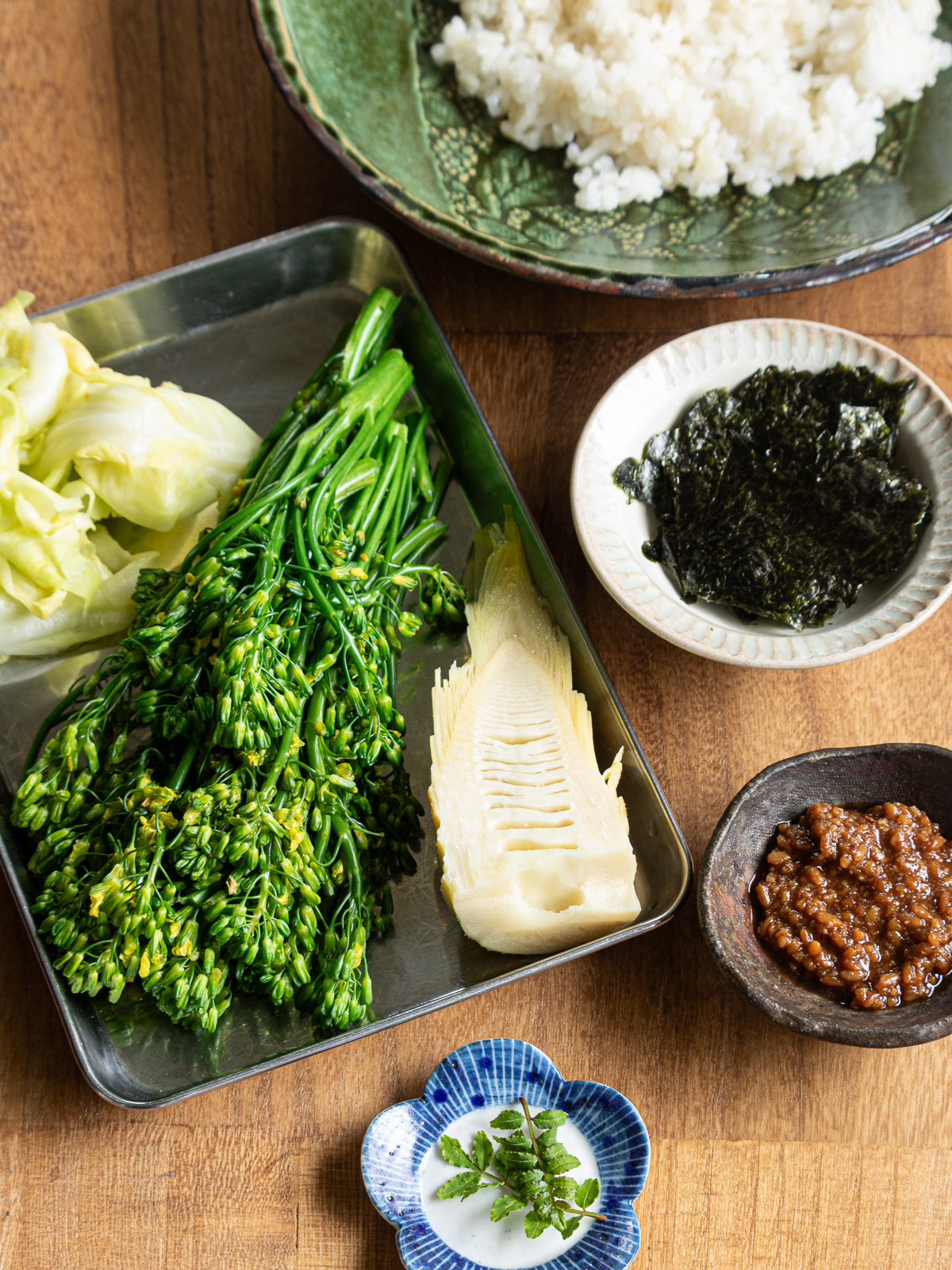
Spring Vegetables
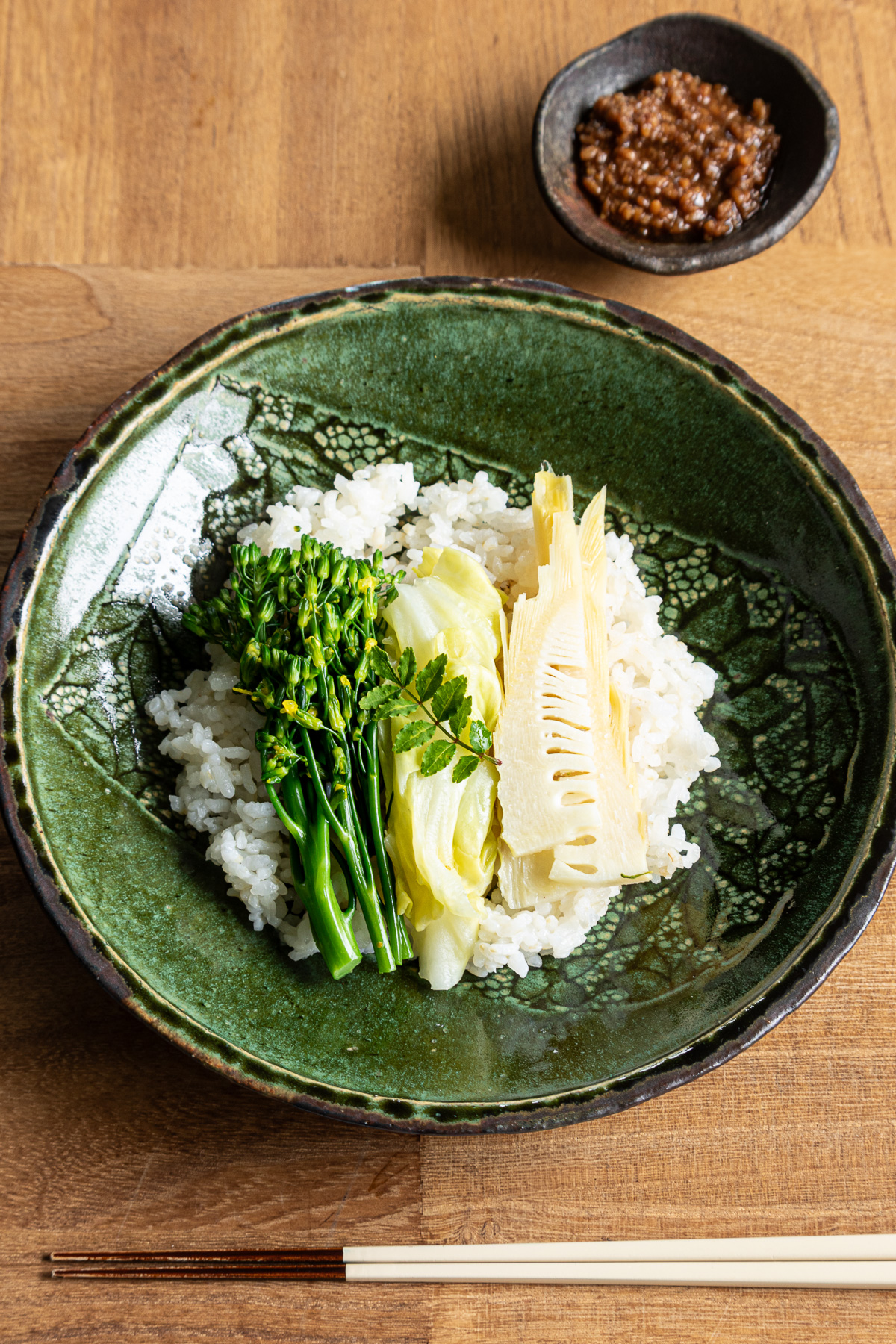
- Broccoli: I used broccoli with yellow flowers just starting to bloom — the subtle color gives the dish a spring feel. Depending on stem thickness, I boil it for about a minute and a half to keep a tender-crisp texture.
- Boiled bamboo shoots: I used bamboo shoots boiled in rice water to remove the bitterness, then sliced them thick to enjoy the texture. Freshly boiled young bamboo shoots are one of my favorite spring vegetables — not only in this bibimbap, but also as vegetable sashimi: sliced thin and served with soy sauce, with grated wasabi on the side to take it even further.
- Cabbage: I like to blanch it briefly in boiling water, about 10 to 30 seconds. Boil it too long and the cabbage turns mushy — pull it out as soon as it loses some firmness, then drain well or pat dry with a paper towel.
- Sansho (prickly ash) leaves: I use these leaves for decoration as well as flavor, though they're not essential — ground sansho berries go into the sauce itself, so the flavor is covered either way. This year I picked up a sansho plant at a garden supply store in Japan for about 300 yen, and I've been adding it to almost any dish since, Japanese or Chinese, to enjoy the fresh aroma of the new leaves at their best through spring.
Rice, Nori & Sauce
- Rice: Freshly cooked rice is twice as delicious.
- Nori: Add as much as you like.
- Special soy sauce-based Japanese-style bibimbap sauce: Mix together homemade soy sauce koji (recipe here), ground sesame seeds, and sesame oil. Grind in the sansho for a citrusy, fragrant kick — or leave it out if sansho isn't your thing. The soy sauce koji brings a gentle sweetness, so it's a good fit for those who prefer milder flavors over spicy food.
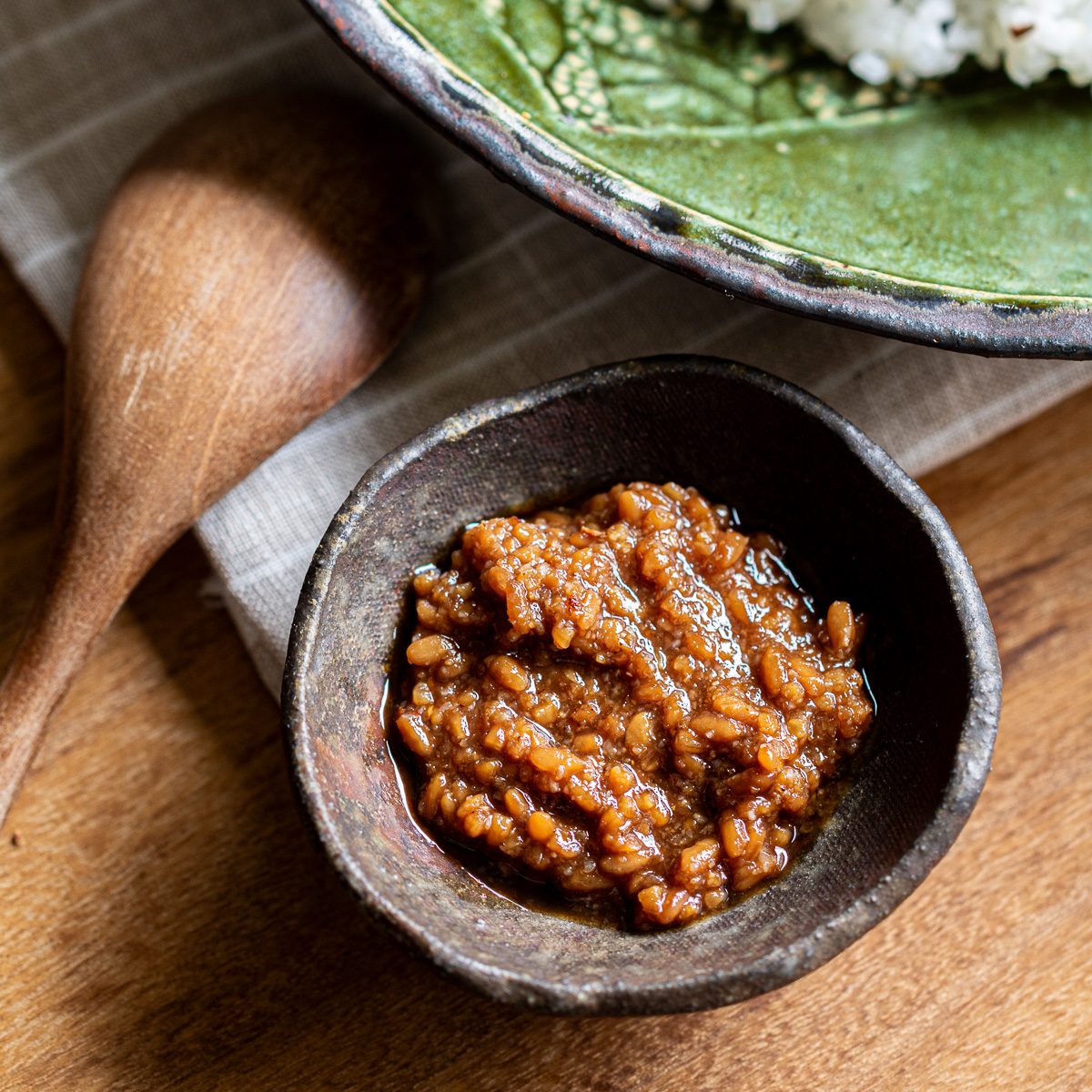
For exact amounts, please check the printable recipe card👇
Instructions
Bibimbap means "mixed rice" in Korean — feel free to adjust the vegetables, rice and sauce amount to your own taste, to create your own special bibimbap bowl.
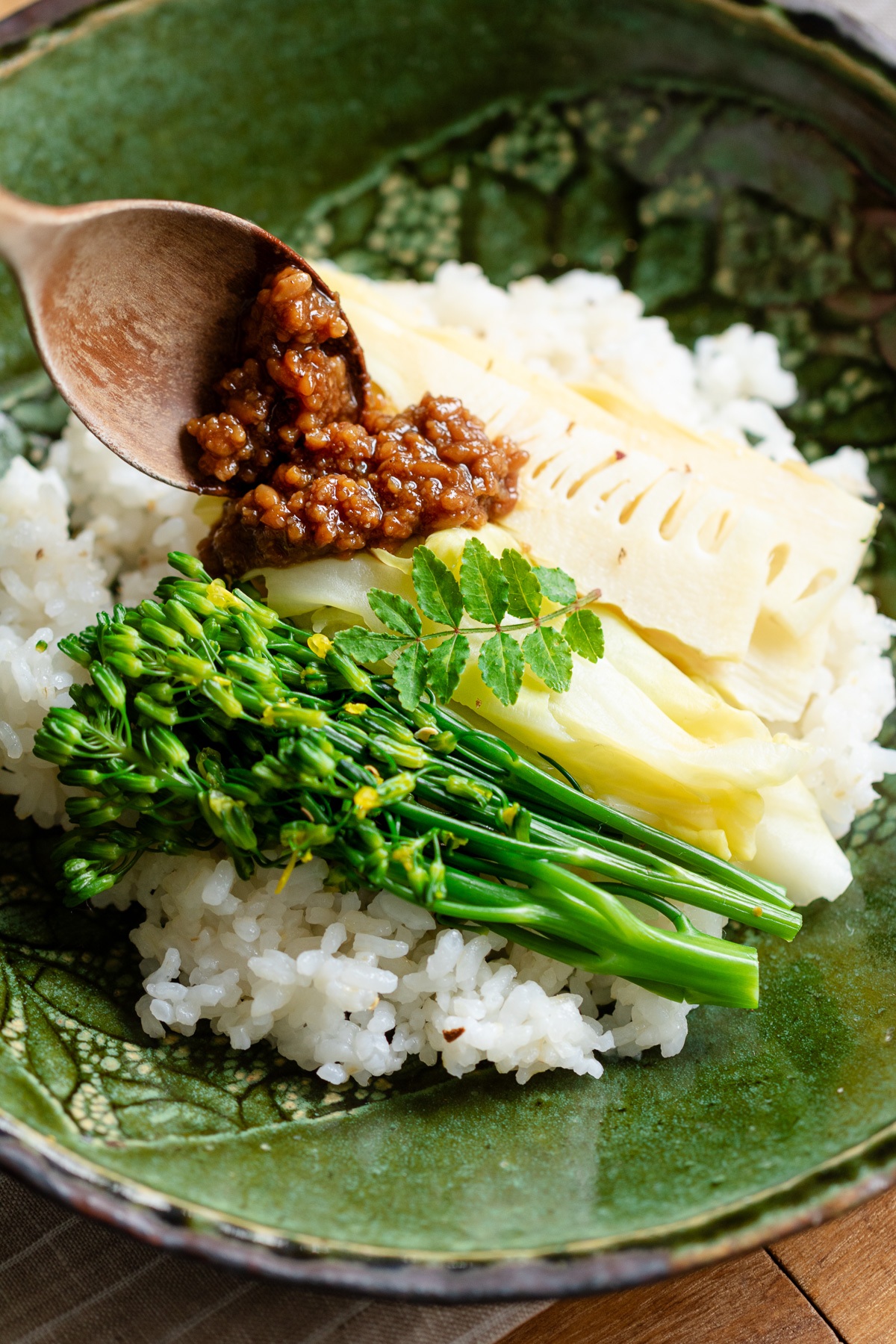
- Plate: Place freshly cooked rice in a bowl or on a plate, top with the boiled spring vegetables, then add the non-spicy Japanese-style bibimbap sauce.
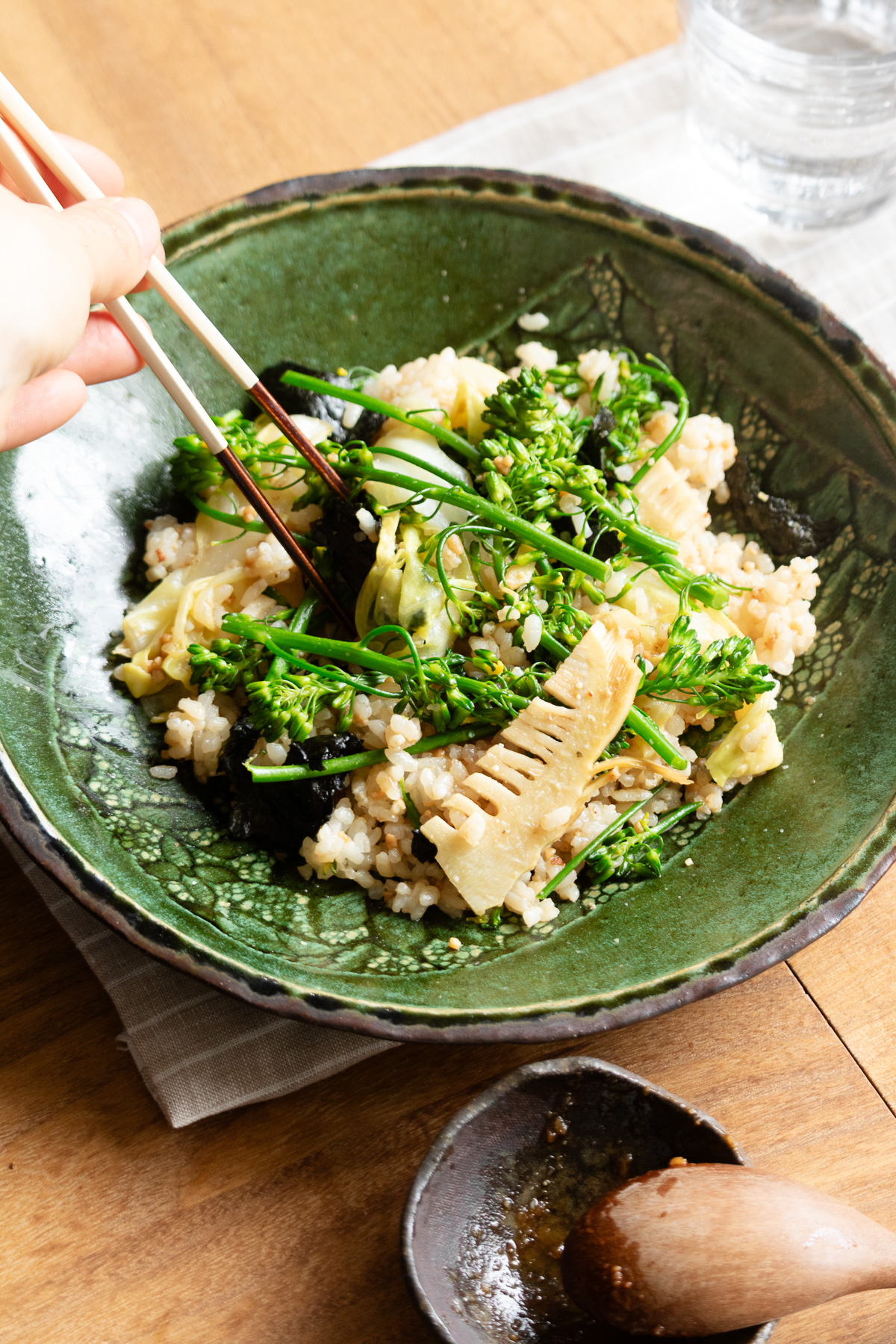
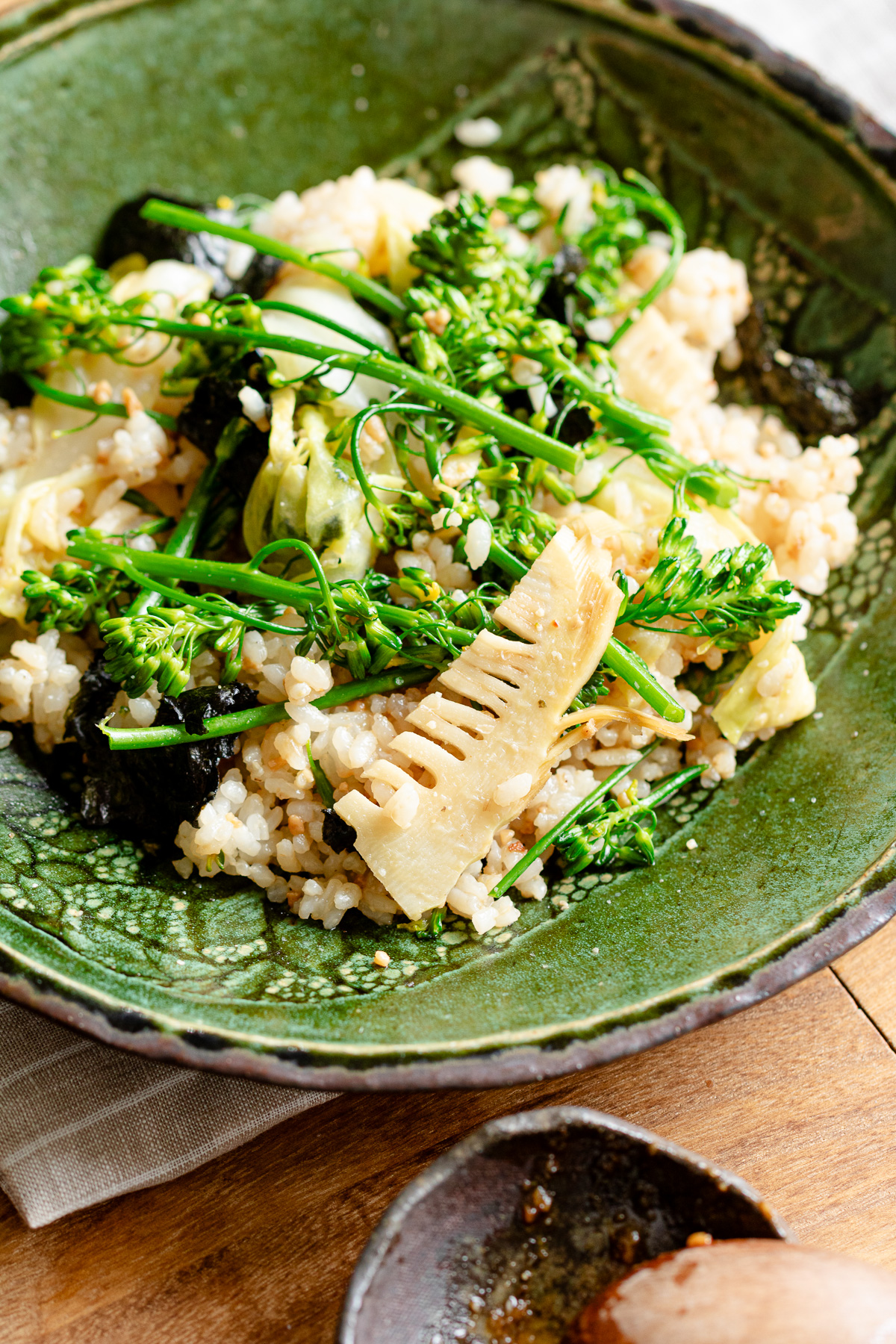
- Mix: Add nori to boost the umami and mix well. The more thoroughly it's mixed, the better the sauce coats everything.
🌿 Sprinkle ground sansho peppercorns on top for extra aroma, if you like.
Storage
Rice tends to dry out and harden in the fridge, so it's best to store only the cooked vegetables.
For meal prep, cook the vegetables a day ahead, then just make the rice and assemble the next day — perfect for a quick lunch or a busy morning.
FAQ
Yes — the tender young leaves are fine raw, and that's when they're most fragrant. As they mature, they turn firmer and more bitter, so the youngest shoots are the best choice if you want to enjoy them raw.
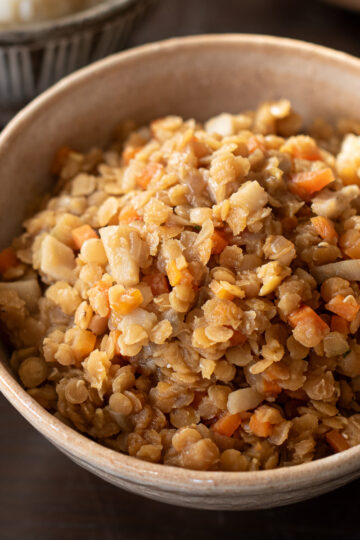
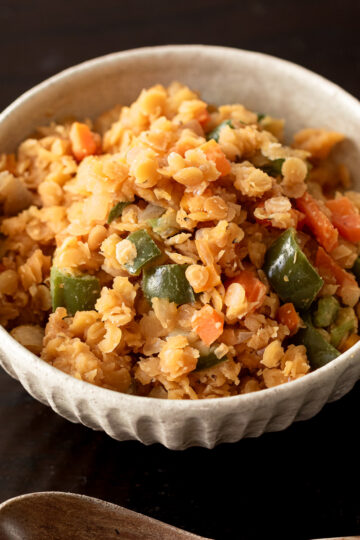
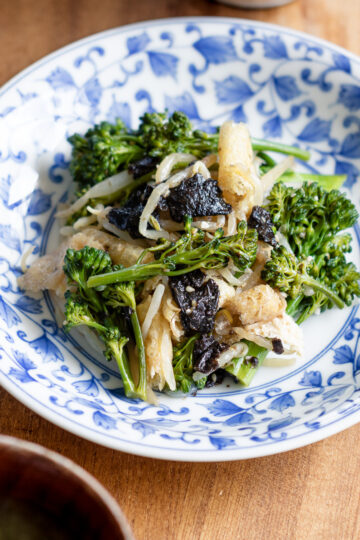
More Recipes with Soy Sauce Koji
Vegan recipes using soy sauce koji:
Recipes with Sansho
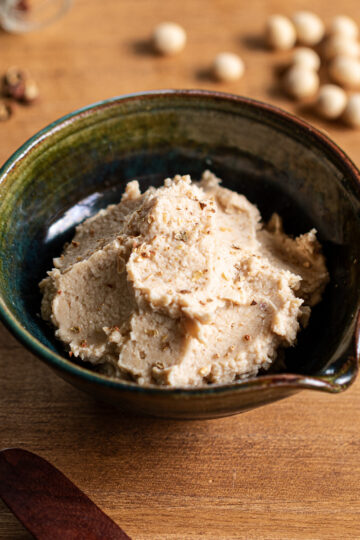
To enjoy the aroma of sansho:

Recipe Card
Fresh Spring Vegetables Bibimbap with Non-Spicy Japanese-Style Sauce
Equipment
- cooking chopsticks
- pot
- colander
- kitchen knife
- cutting board
Ingredients
- broccoli (as needed)
- boiled bamboo shoots (as needed)
- cabbage (as needed)
- sansho leaves (as needed)
- 1 bowl cooked rice
- 1 sheet nori
Non-spicy Japanese-style bibimbap sauce
- 1 tbs soy sauce koji
- 1 teaspoon ground sesame seeds
- ½ teaspoon toasted (dark) sesame oil
- freshly ground sansho (Japanese pepper) (to taste)
Instructions
Preparation
- Cut the broccoli into bite-sized pieces and boil for about 1 to 1.5 minutes to keep a tender-crisp texture, then drain in a colander.broccoli
- Blanch cabbage in boiling water for 10 to 30 seconds. Drain well and cut into bite-sized pieces.cabbage
- Slice boiled bamboo shoots to desired thickness.boiled bamboo shoots
- Combine the sauce ingredients in a bowl and mix well.1 tbs soy sauce koji1 tsp ground sesame seeds½ tsp toasted (dark) sesame oilfreshly ground sansho (Japanese pepper)
Plating
- Place the warm rice in a bowl or on a plate, then top with the prepared spring vegetables.sansho leaves1 bowl cooked rice
- Add the sauce, then tear the nori by hand and add. Mix well. Sprinkle ground sansho on top for extra aroma, if you like.1 sheet nori

If this recipe made its way into your kitchen, and you'd like to share that moment, feel free to tag @veginveganvegun or use #vegin_vegan_vegun.
Your quiet stories inspire me deeply 🕊️
If you enjoyed this, you might also like my vegan pasta with spring rape blossoms in shio koji peperoncino. Here again, the vegetable can be swapped for others like cabbage or broccoli. The umami of shio koji, another Japanese fermented seasoning, brings a new twist to a traditional peperoncino.
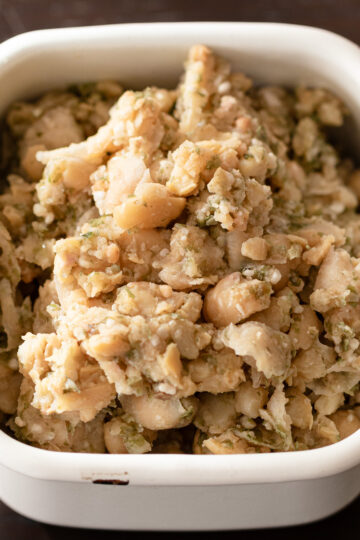
For more sansho flavor, there's also my soybean hummus recipe — good as a dip, a sandwich spread, or a base for shiraae (Japanese mixed vegetable salad).
Hope you give it a try🕊️


Comments
No Comments