
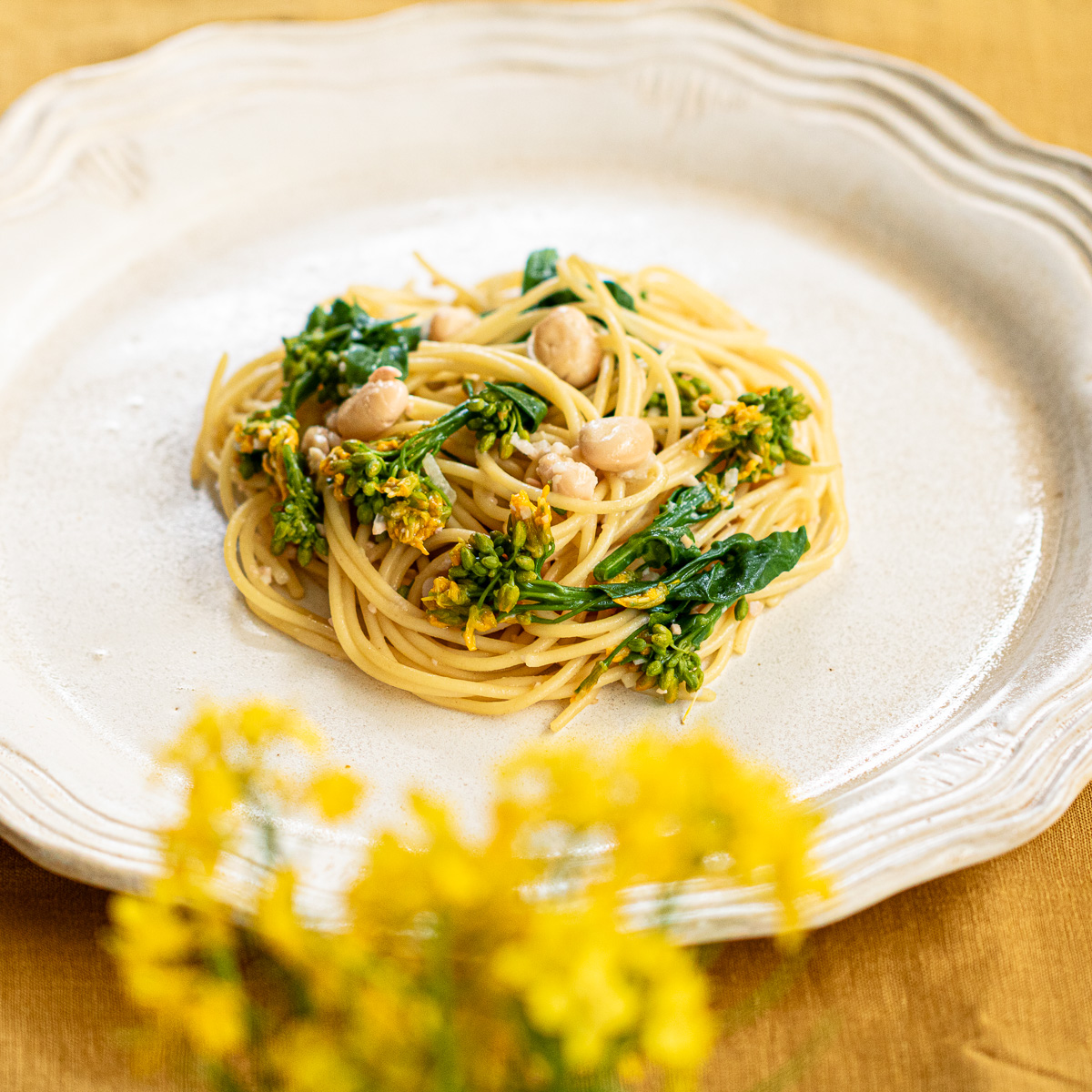
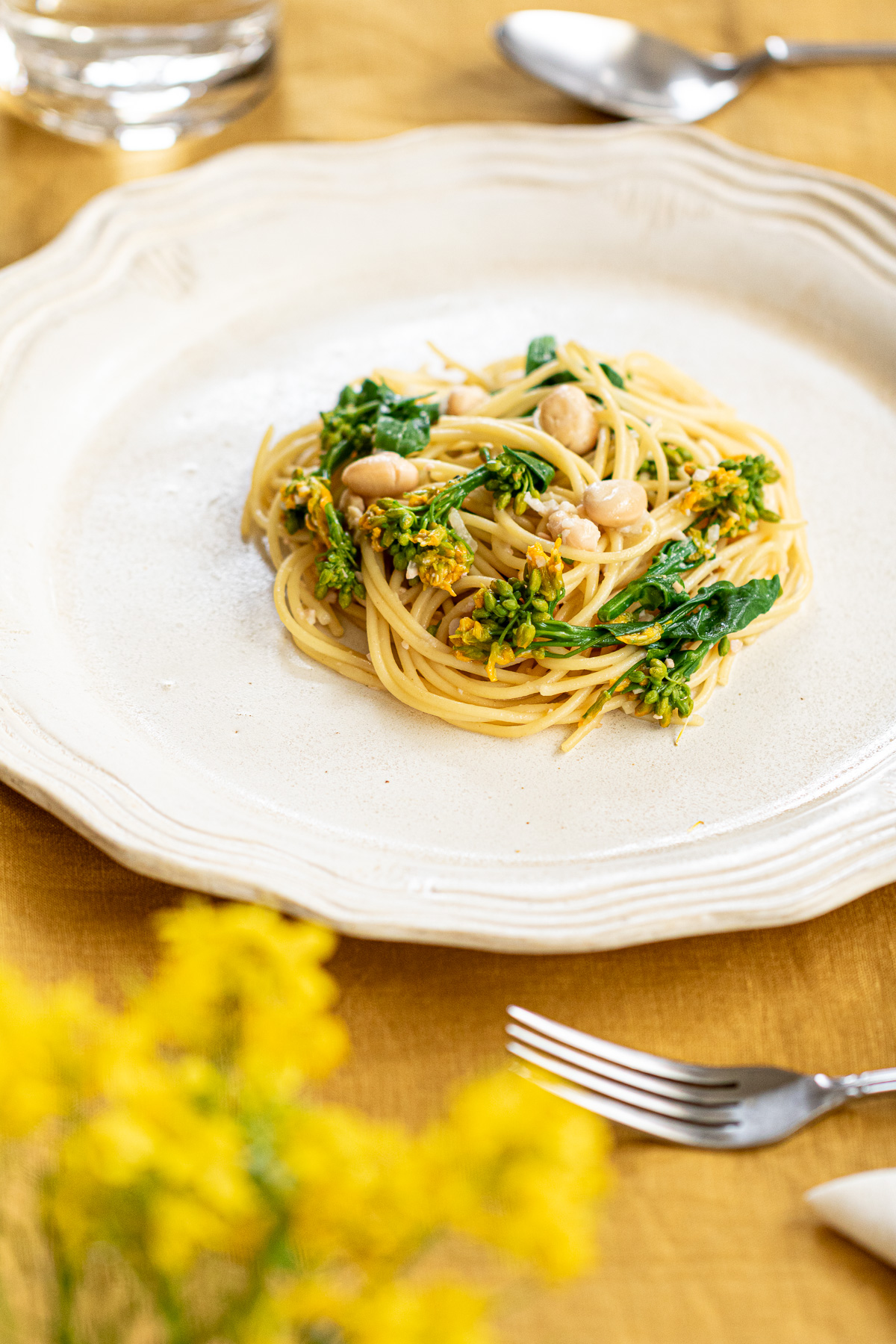
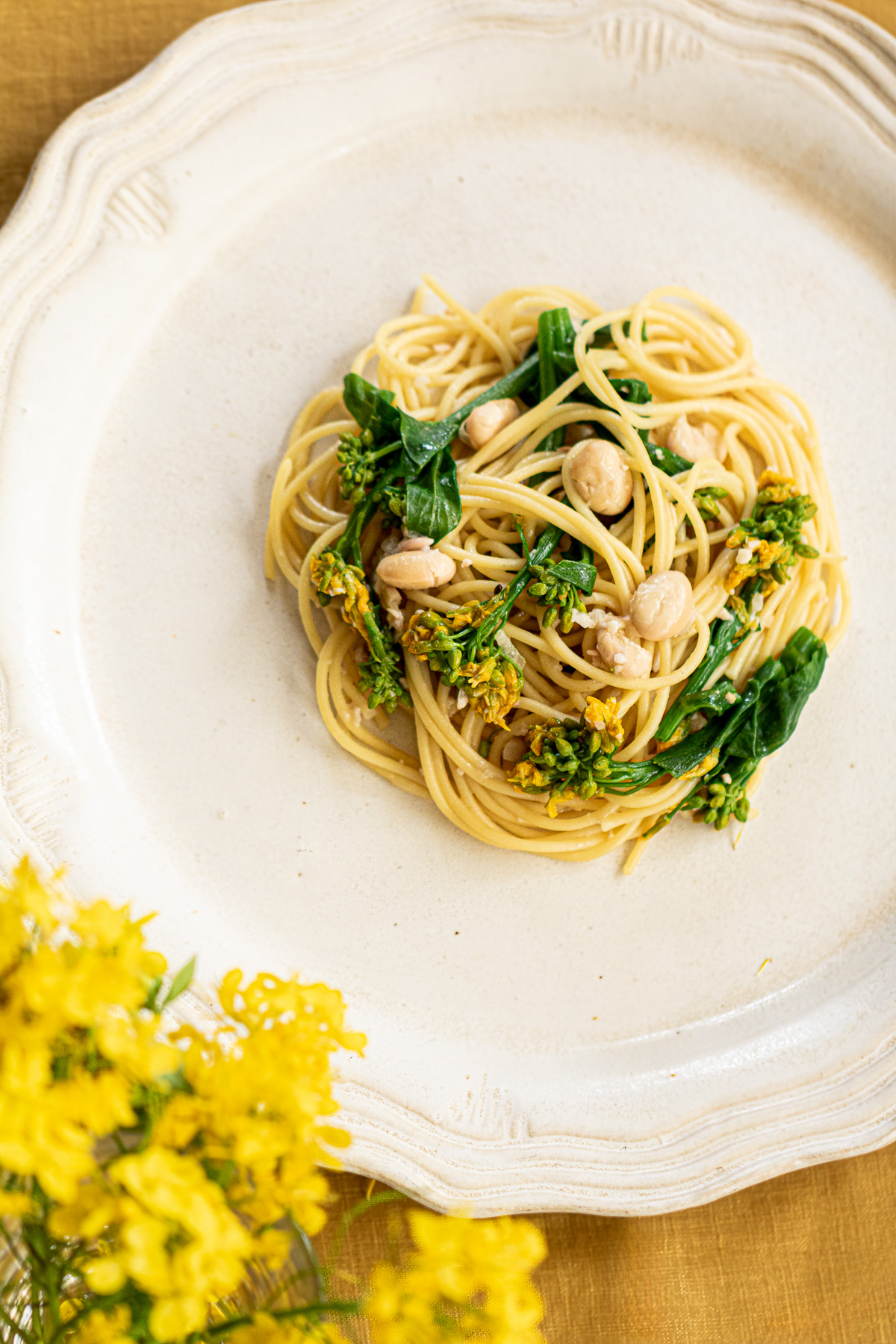
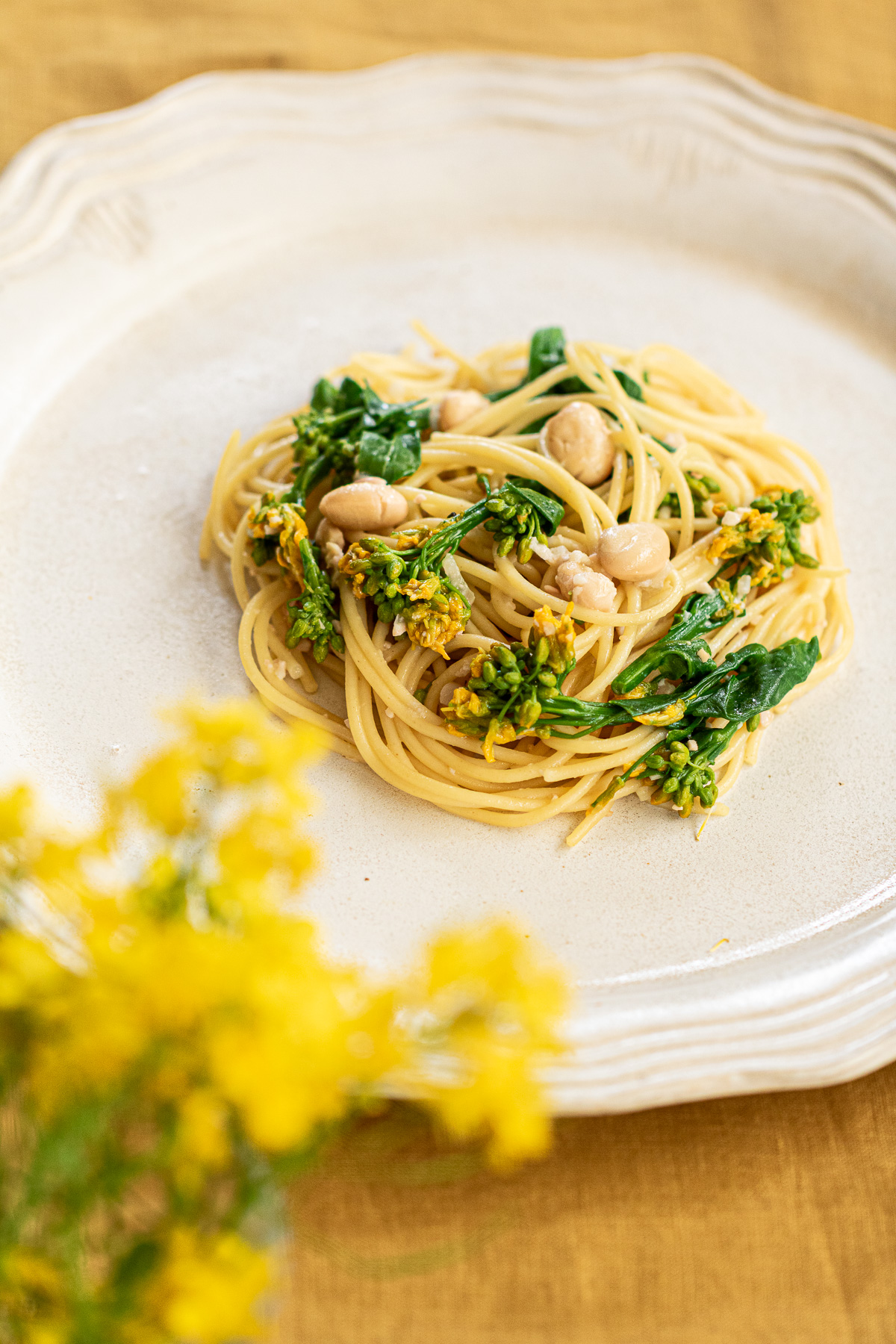
This vegan shio koji aglio e olio with nanohana (rape blossoms) is a simple Japanese-inspired spring pasta made with garlic, olive oil, chili peppers, and shio koji. The slight bitterness of the nanohana pairs beautifully with the gentle umami of shio koji, creating a light yet flavorful pasta with just a handful of ingredients.
I like making this recipe whenever nanohana appears in spring. The rape blossoms cook in the same pot as the pasta, so the whole meal comes together in about 15 minutes—perfect for a simple lunch or light dinner.
If you can't find nanohana, don't worry. This recipe also works well with other vegetables such as broccoli, cabbage, or broccolini, making it easy to enjoy throughout the year.
I hope this simple pasta brings a little taste of spring to your table📮
If you have extra nanohana, you might also enjoy my Nanohana Ohitashi, a simple Japanese side dish with soy sauce and mirin. It's another favorite way I like to enjoy this beautiful spring vegetable.
Jump to:
Ingredients
You only need a handful of simple ingredients to make this spring pasta.
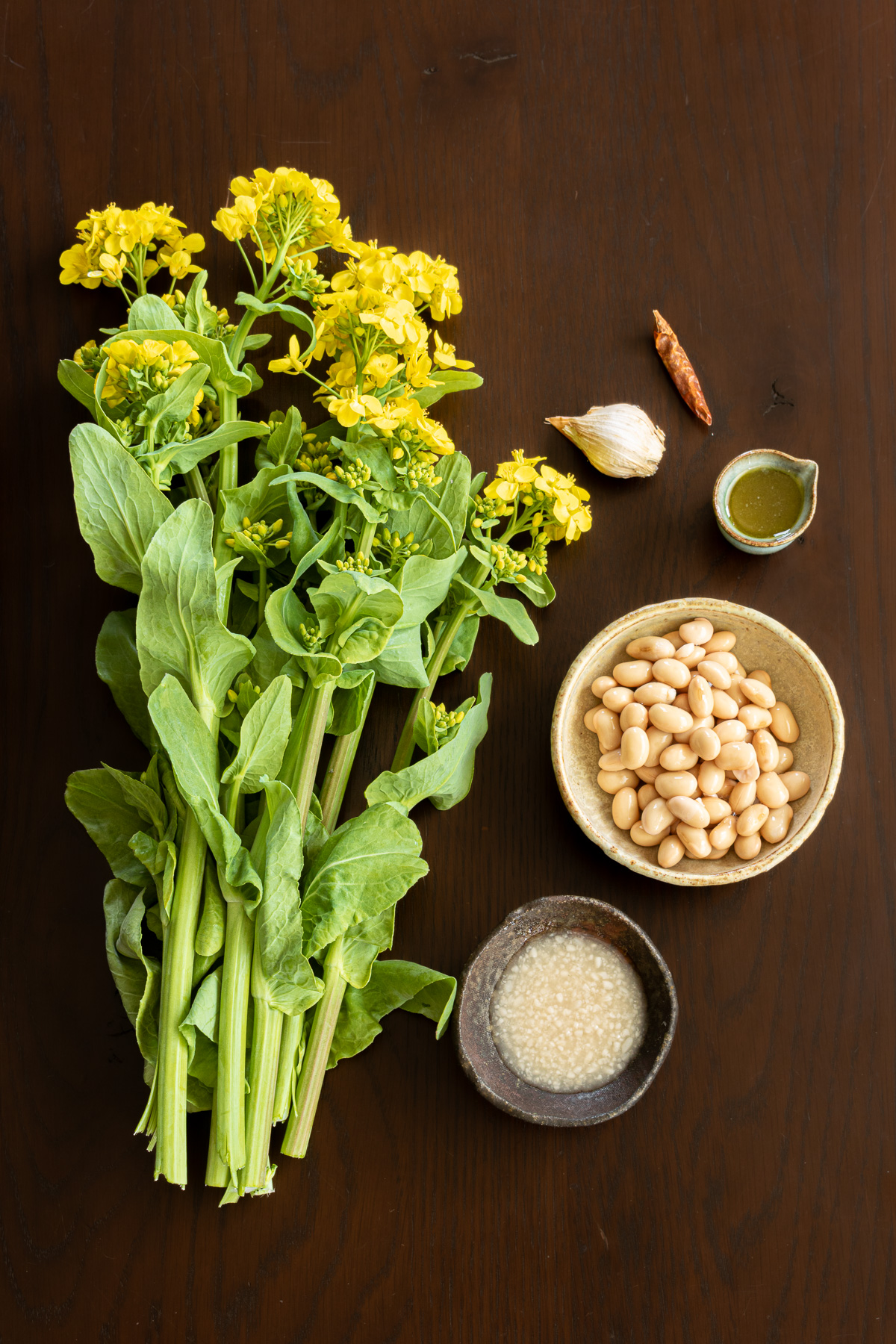
- Nanohana (rape blossoms): I used Chinese cabbage nanohana, which has a mild sweetness and less bitterness than many other varieties. Feel free to use any type of nanohana you can find.
- Cooked soybeans: These are optional, but they add extra protein and a satisfying texture. If you're cooking dried soybeans from scratch, here's my step-by-step guide.
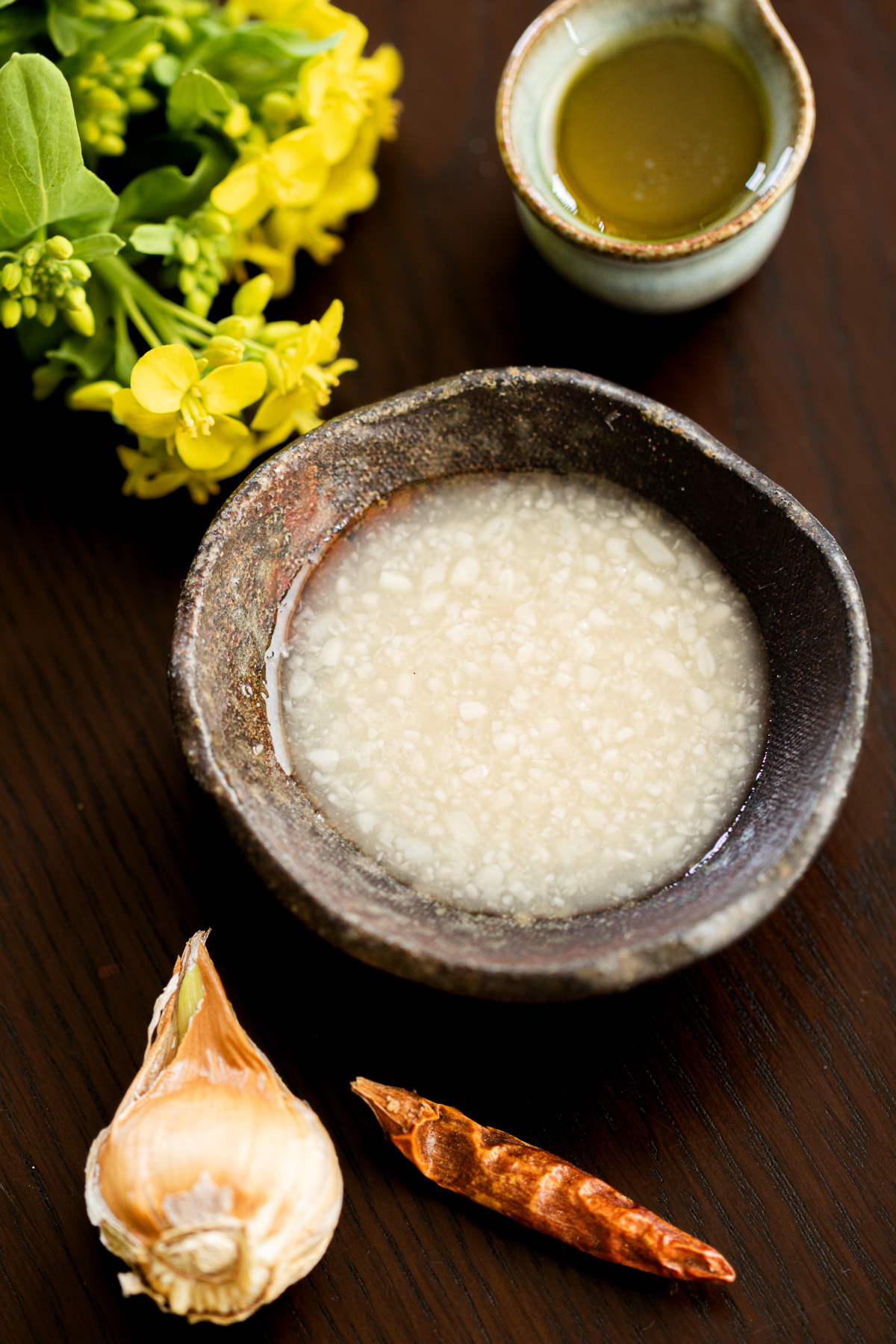
- Shio koji: A traditional Japanese fermented seasoning made from rice koji, salt, and water. It replaces plain salt while adding gentle umami and a mild sweetness—all with a single ingredient. Homemade or store-bought both work well.
- Olive oil: Extra virgin olive oil gives the sauce the best flavor.
- Garlic: Garlic is essential for aglio e olio. The garlic I grow in my garden is fairly mild, so I like to use a little extra. If you're using a more pungent variety, simply adjust the amount to taste.
- Chili pepper: Remove the seeds for a milder flavor, or leave some in if you prefer more heat. Adjust the amount to your taste.
You'll also need dried spaghetti and salt for the pasta cooking water.
For exact amounts, please check the printable recipe card👇
Step by Step Guide
Cook the pasta and prepare the sauce at the same time, so you can toss everything together and serve it while it's hot.
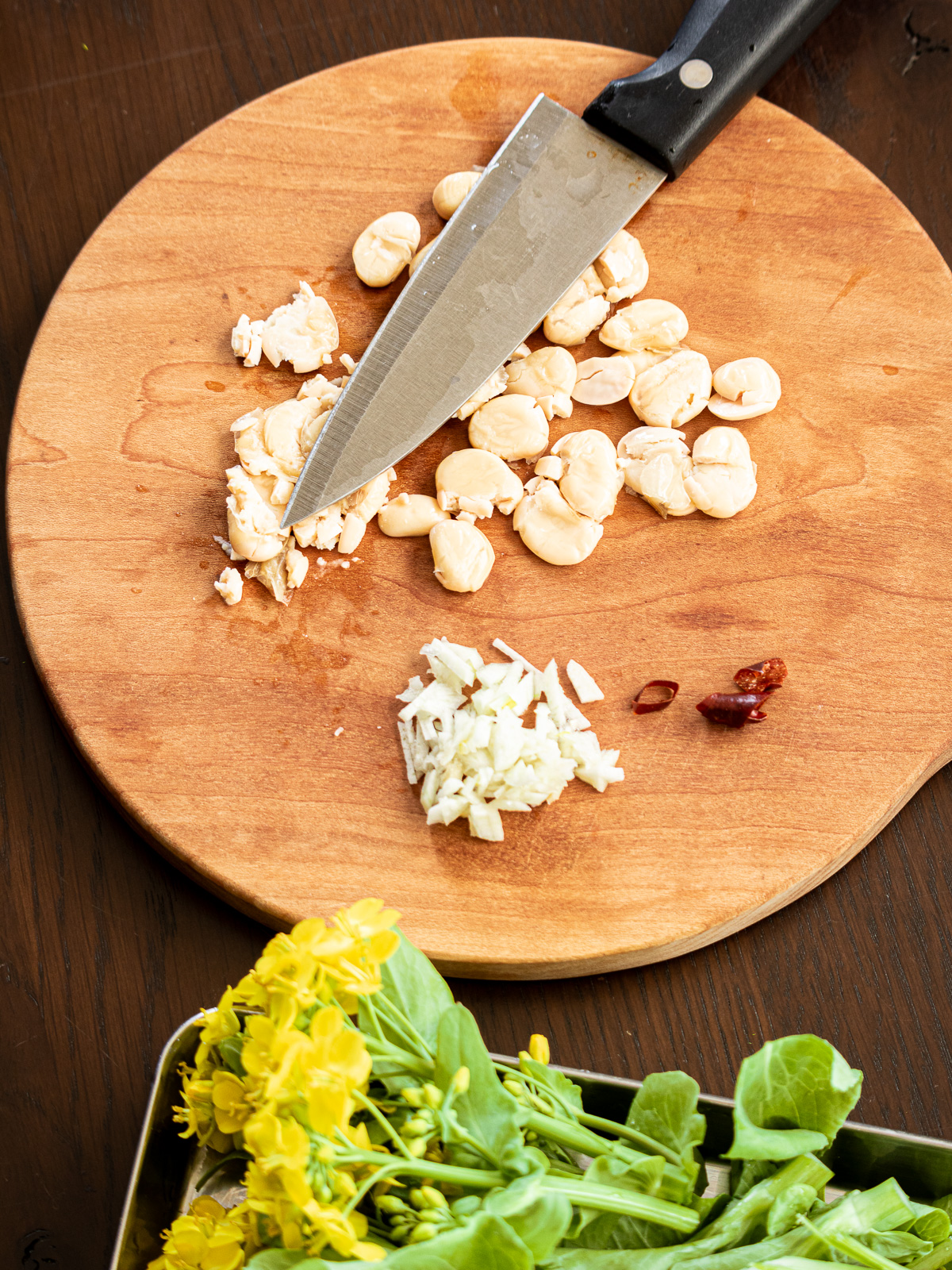
- Prep:
- Wash the nanohana and cut it into bite-sized pieces.
- Finely chop the garlic, slice the chili pepper, and lightly crush the cooked soybeans with the side of a knife.
🗝 If the nanohana looks limp, soak it in cold water for a few minutes to crisp it up before cooking.
- Cook the pasta:
- Bring a large pot of salted water to a boil and cook the spaghetti according to the package directions.
- About 1 minute before the pasta is done, add the nanohana and cook together.
🗝️ If the stems are much thicker than the flower buds, add the stems to the boiling water first, then add the buds a little later so they finish cooking at the same time and have an even texture.
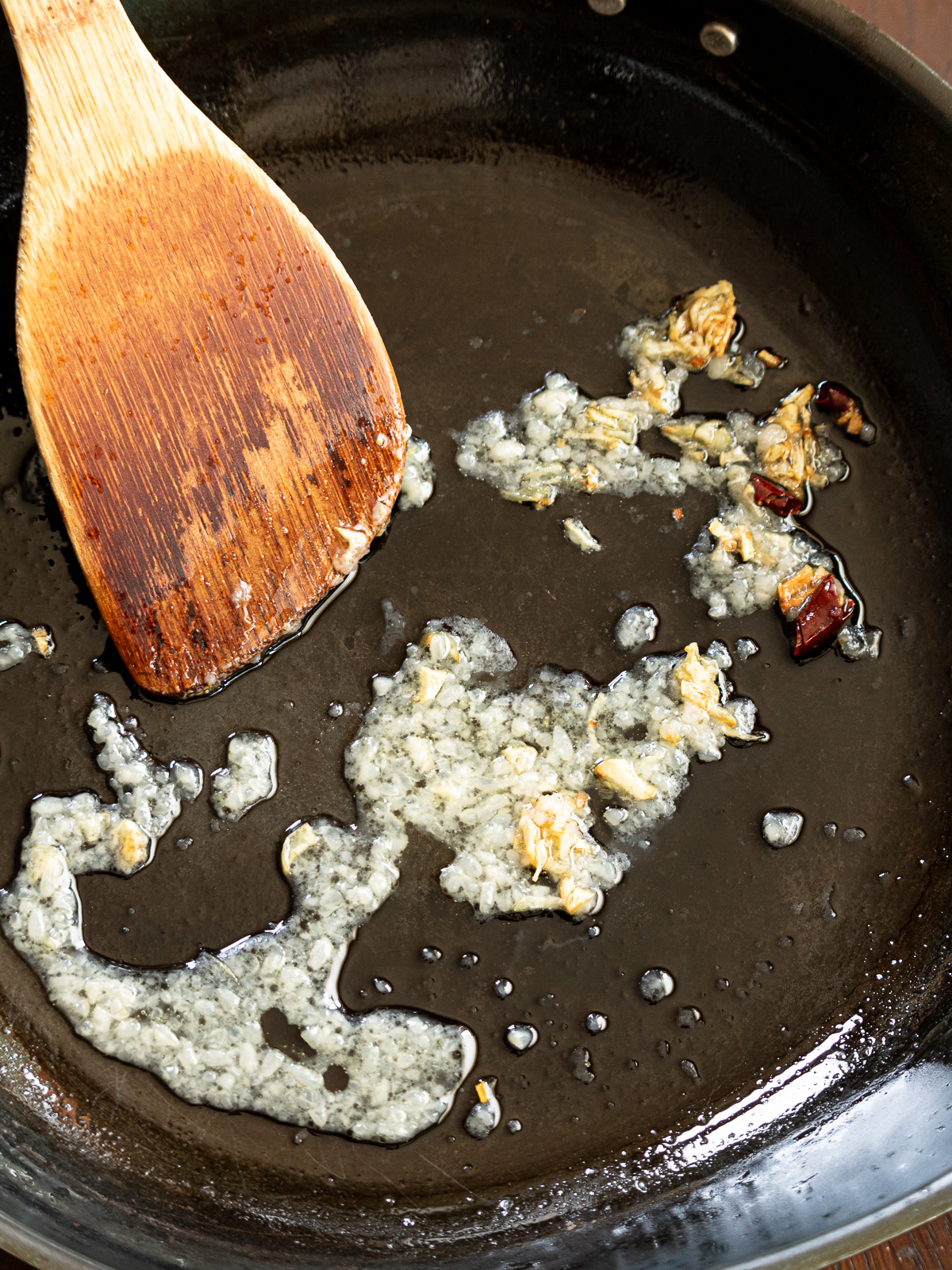
- Make the sauce:
- While the pasta is cooking, heat the olive oil, garlic, and chili pepper in a frying pan over low heat.
- Cook until the garlic is lightly golden, being careful not to burn it.
- Stir in the shio koji, then turn off the heat.
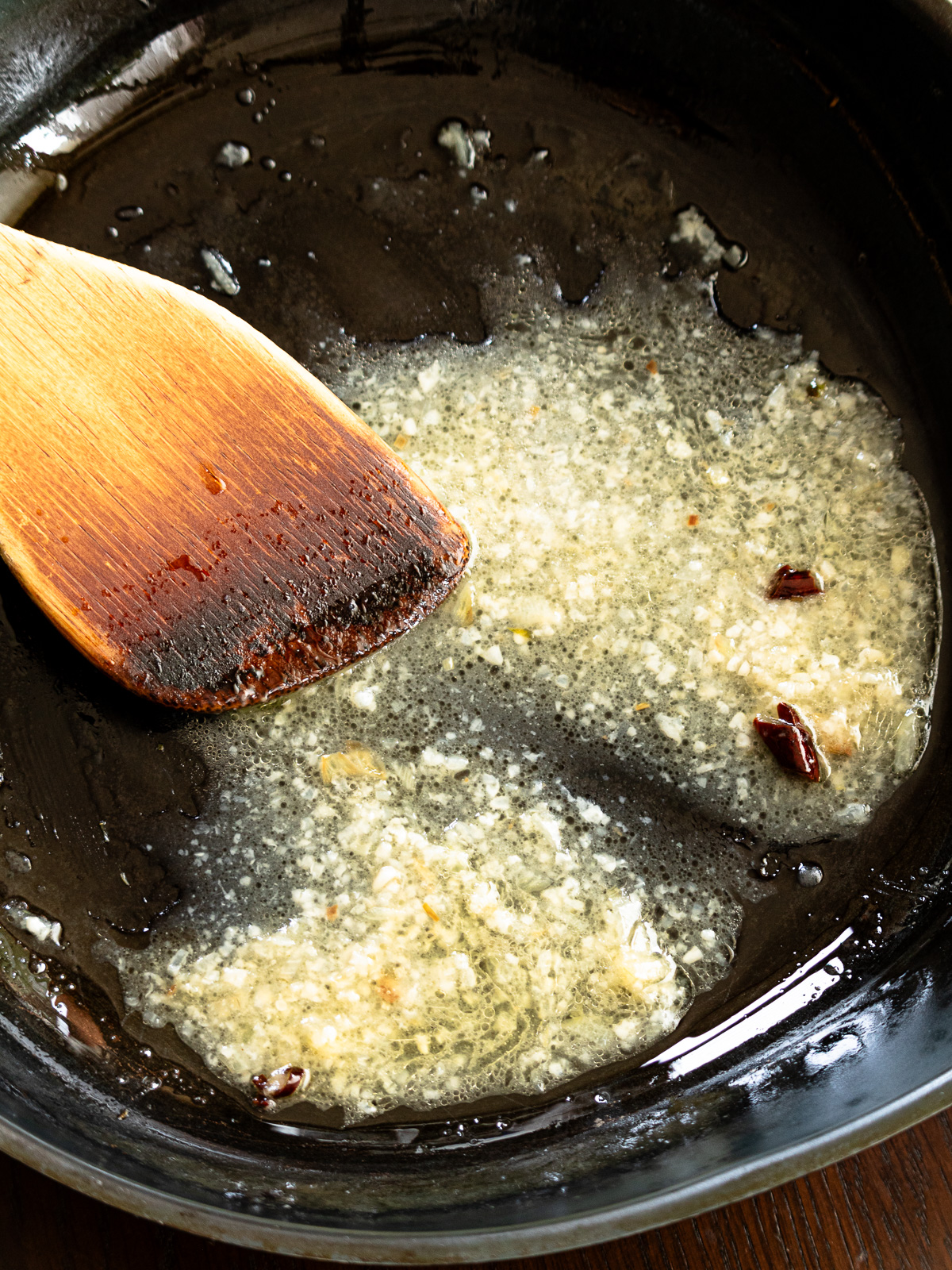
- Add the pasta water:
- Once the pasta cooking water is nice and starchy, add a ladleful to the pan.
- Return the pan to low heat and cook, stirring, until the sauce emulsifies.
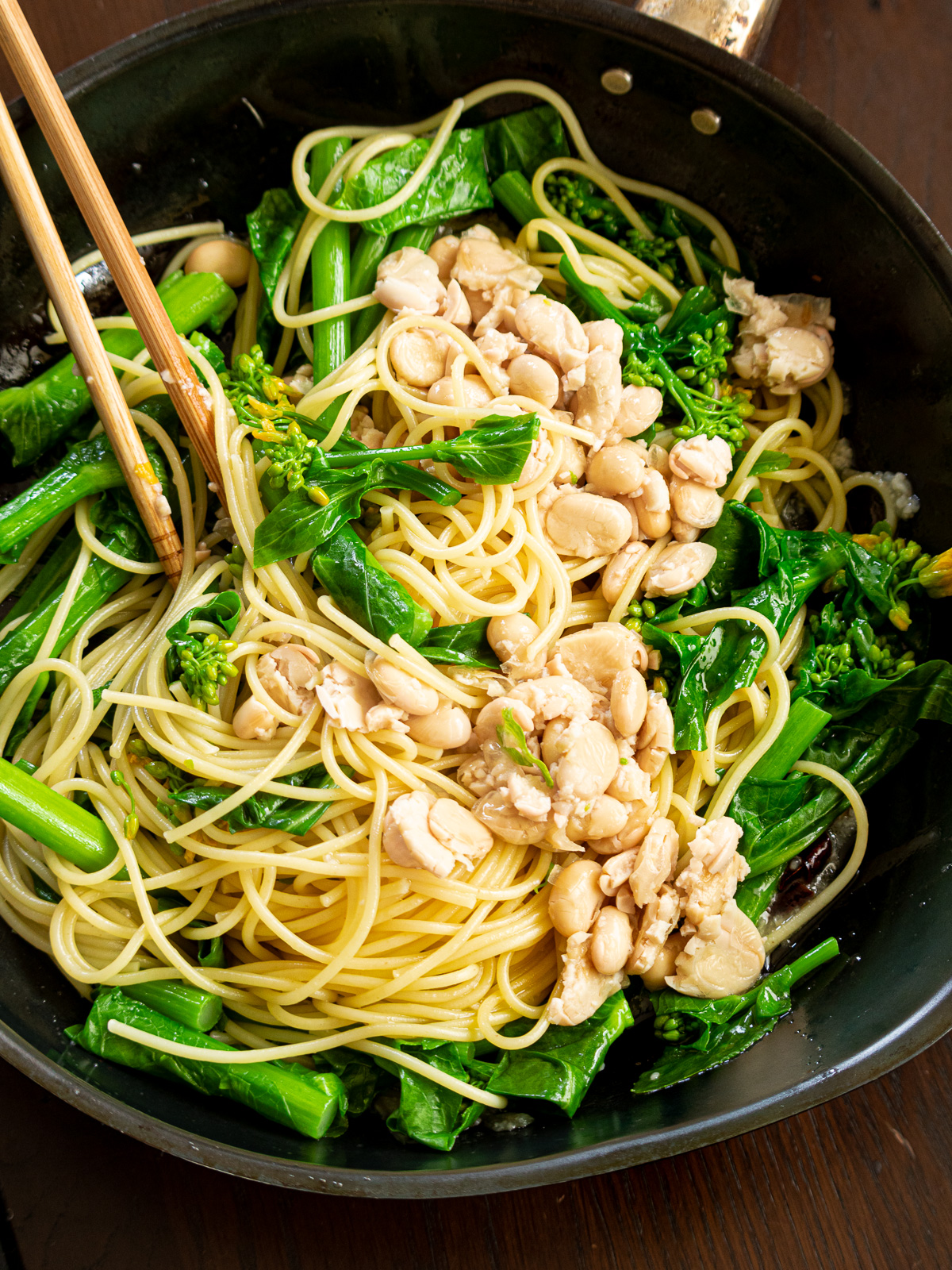
- Toss:
- Add the cooked spaghetti and nanohana to the pan, then toss to coat evenly with the sauce.
- Add the soybeans, season with more shio koji or salt to taste if needed, and serve immediately while hot.
Storage
Store any leftovers in an airtight container in the refrigerator.
By the next day, the pasta will have absorbed some of the sauce and may seem a little dry, but it reheats well. Thanks to the savory shio koji seasoning, it's also delicious served cold, almost like a simple pasta salad.
Questions
Nanohana is the young flowering shoots of several leafy vegetables in the mustard family. It has a pleasantly bitter flavor and is a popular spring vegetable in Japan. Different varieties, including Chinese cabbage, mizuna, komatsuna, and broccoli, can all be enjoyed as nanohana.
If you can't find nanohana, try broccoli, broccolini, asparagus, cabbage, or other tender spring vegetables. The flavor will be different, but they'll all pair well with the garlic and shio koji sauce.
Yes. You can season the pasta with salt instead, although you'll lose some of the gentle umami and mild sweetness that shio koji adds. I use it in all kinds of recipes, from soups and stir-fries to pasta dishes—even desserts like my Vegan Pumpkin Cheesecake and Vegan Tiramisu.
This pasta is best served immediately after cooking. If you have leftovers, refrigerate them in an airtight container. They reheat well, and they're also delicious served cold like a simple pasta salad.
Recipes with Shio Koji
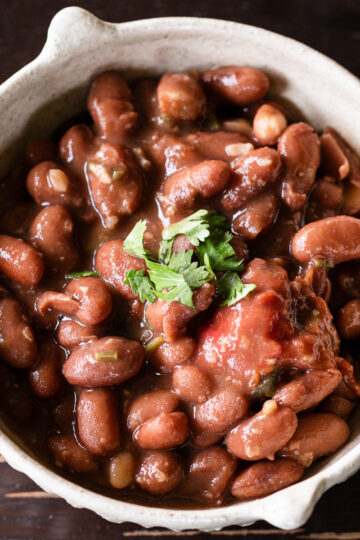
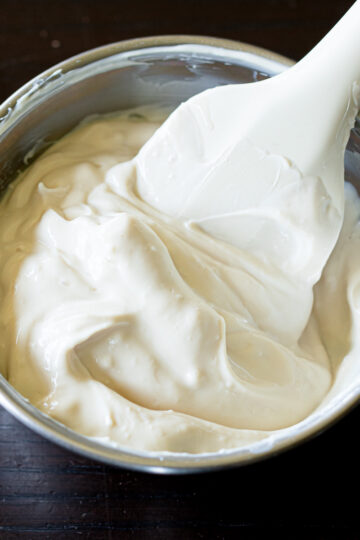
Looking for more ways to use shio koji? Here are some of my favorite vegan recipes:
More Pasta Recipes
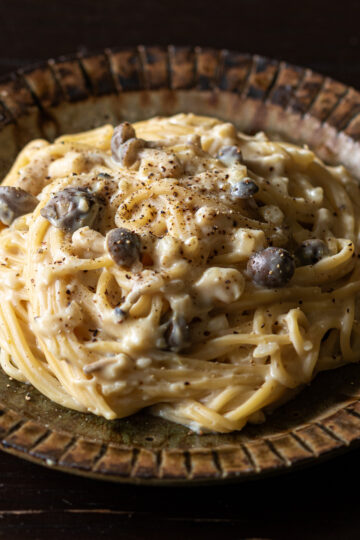
If you enjoyed this recipe, you might also like these vegan pasta recipes:
Recipe Card
Japanese-Inspired Aglio e Olio with Nanohana (Rape Blossoms)
Equipment
- frying pan
- cooking chopsticks
- pot
- colander
- kitchen knife
- cutting board
Ingredients
- 100 g nanohana (rape blossoms)
- 50 g cooked soybeans (optional)
Sauce
- 2 teaspoon shio koji
- 1 tablespoon extra virgin olive oil
- 1 garlic clove
- ½ chili pepper
- 1 ladle pasta cooking water
Boil Pasta
- 100 g spaghetti
- 1 L water
- 8 g salt
Instructions
- Wash the nanohana and cut it into bite-sized pieces. Finely chop the garlic, slice the chili pepper, and lightly crush the cooked soybeans with the side of a knife.100 g nanohana (rape blossoms)50 g cooked soybeans1 garlic clove½ chili pepper
- Bring a large pot of salted water to a boil and cook the spaghetti according to the package directions. About 1 minute before the pasta is done, add the nanohana and cook together.1 L water8 g salt100 g spaghetti
- Meanwhile, heat the olive oil, garlic, and chili pepper in a frying pan over low heat. Cook until the garlic is lightly golden, then stir in the shio koji and remove from the heat.1 tbsp extra virgin olive oil2 tsp shio koji
- Once the pasta cooking water becomes starchy, add a ladleful to the pan. Return to low heat and stir until the sauce emulsifies.1 ladle pasta cooking water
- Transfer the cooked spaghetti and nanohana to the frying pan and toss well to coat with the sauce.
- Add the soybeans, season with more shio koji or salt to taste if needed, and serve immediately while hot.
I hope this recipe brings a little taste of spring to your table 🌼

Comments
No Comments